By Kenneth Oboh
In June 2024, Nigerian digital transformation advocate Uchenna Victor Moses stepped forward at the Next Generation Artificial Intelligence Conference in the United Kingdom to deliver a keynote speech that would echo far beyond that day. As Lead Organiser and Keynote Speaker, he called for an urgent shift in the way universities address generative AI not with bans, but through guided responsibility.
His words were clear and forceful:
“Universities must not default to bans. Instead, teach students when, why, and how to use AI responsibly.”
That quote, now widely referenced, became a spark. Less than one year later, in May 2025, the University of Greater Manchester formally launched a 4-step AI Literacy Framework, embedding the very principle Moses championed. The framework has already reached over 11,000 students (The University of Bolton, now known as the University of Greater Manchester, has a student population of approximately 11,000, encompassing both full-time and part-time students across undergraduate and postgraduate programs. Leap Scholar, 2025) and is recognised as a national benchmark for responsible, inclusive AI education. The framework was formally adopted into the university’s Academic Skills Hub and continues to inform how students engage with emerging technology.
Rather than restating existing media coverage, what sets this moment apart is how Moses’ voluntary, civic intervention became embedded in formal UK higher education policy. He did not hold a university title. He acted as President of the independent Students’ Union and as a cross-sector convenor committed to inclusive digital transformation.
A recent announcement by academic staff at the university credited months of student-academic collaboration, confirming that the resulting framework was shaped not only by institutional design, but by public advocacy. In that post, Assistant Professor Nurun Nahar praised colleagues and student voices that helped bring the shared vision to life. Moses’ keynote, made in a civic capacity, is now embedded in this institutional milestone.
The conference he co-led also launched the Centre of Intelligence of Things (CIoTH), which continues to attract attention from policymakers and academic stakeholders across the UK and Africa.
The international ripple effect has also been tangible. Ebonyi State University in Nigeria has onboarded more than 200 students into new AI study pathways inspired by the event. Partners such as NHS Digital, IEEE UK and Ireland, and Bolton Council have engaged in ongoing support and collaboration.
This is no longer about a moment. It is about measurable momentum. Moses’ keynote created alignment between civic voice and institutional response. This represents a rare and compelling form of leadership.
Reflecting on the journey, Moses stated:
“It is powerful to see a civic call become policy. When people lead with purpose, frameworks follow. We did not just host a conference. We helped spark educational reform.”
About the Contributor:
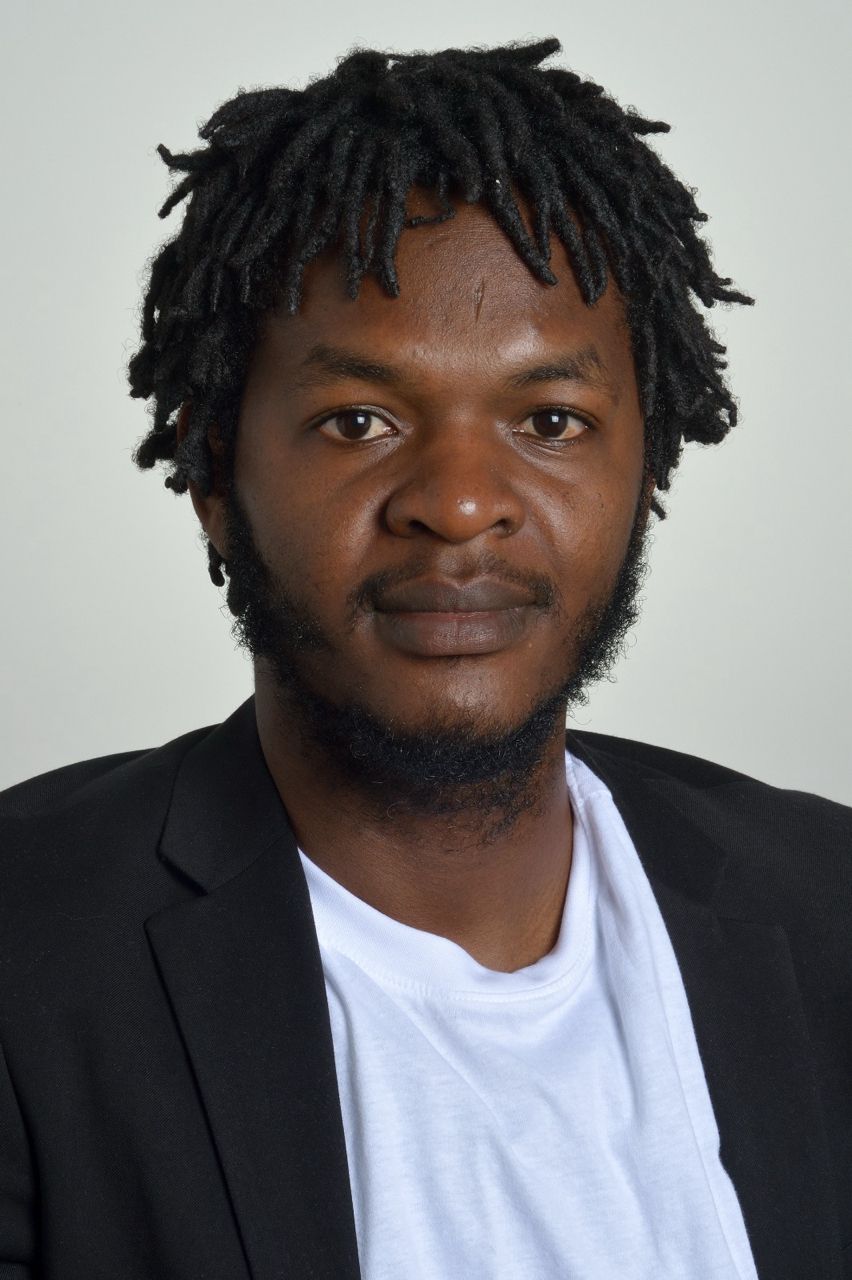
Uchenna Victor Moses is a Nigerian-born digital transformation advocate, public speaker, and former President of the University of Bolton Students’ Union in the UK. He currently works as a Digital Project Manager at the UK’s Medicines and Healthcare products Regulatory Agency (MHRA).
Disclaimer
Comments expressed here do not reflect the opinions of Vanguard newspapers or any employee thereof.