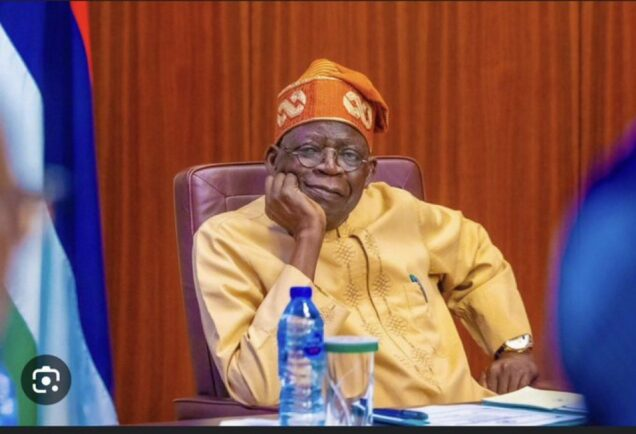
President Bola Tinubu.
By Luminous Jannamike
NIGERIA is facing a significant change with the new Tax Reform Bill introduced by President Tinubu.
This ambitious plan aims to consolidate 66 different taxes into just 8 and adjust the VAT (Value Added Tax) to align with other West African countries.
While this sounds promising and could help the government generate more revenue, it has also created considerable worry and division among people in different parts of the country. Many fear that these changes might not benefit everyone equally, leading to tensions that could deepen the divides within the nation.
Fear and Confusion
Imagine Ahmadu, a small shop owner in Jigawa. He works hard every day to provide for his family and support his community. However, he is concerned that the new tax rules will make it harder for his business to succeed. The government wants to change how tax revenue is shared, giving more to places where production companies are headquartered, like Lagos and Rivers although the proposed bill improves on what it was before. Ahmadu fears this will leave his local community in Jigawa without sufficient support and resources to thrive.
Now, consider Olawande, a tech entrepreneur in Lagos. Olawande runs a successful start-up and believes the reforms might help his business through new tax incentives. However, he is also worried that higher VAT rates could make things more expensive for his customers, potentially reducing sales and harming his business. Both Ahmadu and Olawande represent the mixed feelings many Nigerians have about these changes. They see potential benefits but also fear possible drawbacks that could impact their livelihoods.
Politically, the situation is charged. A few days ago, the Nigerian Southern Senators Forum (NSSF), a group of senators from the South, expressed their support for the tax reform. They believe it can create a fairer tax system that benefits everyone across the nation.
Led by Senator Adetokunbo Abiru, the NSSF, however, wants the government to demonstrate that no state will lose revenue because of these changes. By providing clear data, they hope the government can ease concerns and build trust among citizens.
A Divide in Opinions
Meanwhile, on the floor of the Senate, tensions are rising. Northern senators have called for a halt to any further action regarding the Tax Reform Bills, which recently passed the second reading in the Red Chamber. During a recent plenary, these lawmakers voiced their concerns about how the new tax rules could negatively affect northern states, which are already facing economic challenges.
Senator Buba Umaru Shehu from Bauchi State stated that both ruling and opposition party senators from the North agree on the need to suspend the bills. He criticised the speed at which the government was pushing these proposals, noting that they have been discussed for only a few days.
Senator Shehu strongly opposes the new VAT sharing formula, arguing that it would unfairly impact northern states. He warns that rushing these bills without careful consideration could lead to serious, long-term problems for the very people they are intended to help.
Ali Ndume, another senator from the North, contends that the government did not consult adequately with those affected by these changes. He believes the reforms favour certain regions and undermine national unity, making it harder for the country to work together as one.
In contrast, Senator Seriake Dickson from the South-South passionately supports the reforms, believing they will attract investment and promote fairness throughout Nigeria.
The economic debates are getting more intense. Proponents like Taiwo Oyedele, who leads the Presidential Committee on Fiscal Policy and Tax Reforms, along with Governors Babajide Sanwo-Olu of Lagos State and Dapo Abiodun of Ogun State, believe that changes are needed to modernise the economy and attract foreign investments, which could help it grow.
On the other side, opponents like Babagana Umara Zulum, the Governor of Borno State; Rabiu Musa Kwankwaso, a former Governor of Kano State; and Aminu Waziri Tambuwal, the former Governor of Sokoto State, worry that new tax rules could make it harder for businesses to succeed by adding extra costs to their operations.
The country is caught in a struggle between those who want fiscal reform, mostly from the South, and those focused on regional development, mainly from the North. This divide shows how the tax reform is causing disagreements both in the Senate and among the people. To help solve these issues, public hearings and discussions are being suggested so everyone can share their views.
Even though Deputy Senate President Jibrin Barau has called for a pause in committee activities, Senate President Godswill Akpabio says the bills are still being considered.
This ongoing political back-and-forth, sometimes called a ‘dance of shame’ by some Nigerians, highlights the need for a compromise that meets everyone’s needs and helps bring the country together during these tough times.
A Call for Unity and Support
As Nigeria faces these significant changes, it is a crucial time for everyone to come together. The concerns surrounding the tax reforms remind us that we are stronger when we work as one. The challenges presented by the tax reform can serve as an opportunity for dialogue and collaboration among all Nigerians.
A Friendly Invitation
So, dear Nigerians, let us not allow these tax changes to cause more division among us. Instead, let us engage in open conversations and share our thoughts and concerns when dates for the proposed public hearing by the National Assembly are announced. Whether you live in the bustling streets of Lagos or the quiet neighbourhoods of Jigawa, your voice matters and deserves to be heard.
Let us unite as one nation, aiming for progress together. By working collaboratively, we can ensure that Ahmadu’s shop can thrive and that Olawande’s tech business can grow, providing opportunities for all. Together, we can turn these challenges into chances for a brighter future, where every Nigerian feels valued and included in the nation’s journey towards growth and prosperity.
Disclaimer
Comments expressed here do not reflect the opinions of Vanguard newspapers or any employee thereof.