By Ayo Onikoyi
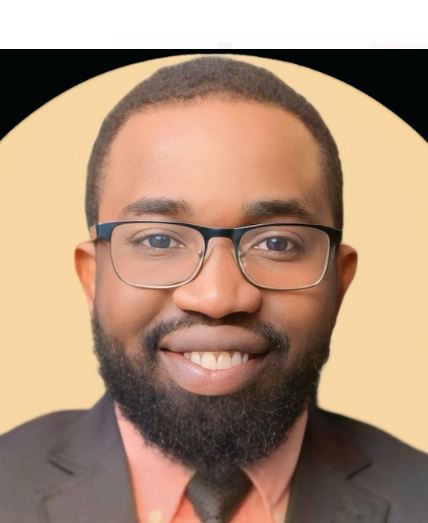
Earnest Oshios Iluore, a reliability engineering expert has opened up on his journey in his career, highlighting the giant strides made in his sojourn from Canada to the US. He speaks in an interview session with our reporter on shaping industrial standards.
He began: ” My career in reliability engineering started in Nigeria and continued in Canada, where I gained extensive experience working in various industries, including Oil & Gas, steel manufacturing, and pulp & paper. My passion for reliability and asset management emerged early on, particularly in roles that allowed me to enhance equipment performance and minimize operational risks. Moving to the U.S. was a natural step to broaden my impact, and I currently serve as the Reliability Engineering Leader at Domtar. My motivation has always been to drive operational excellence, reduce downtime, and optimize asset performance for greater industrial resilience.””
Iluore concurred that his transitioning to the U.S from Canada wasn’t without some challenges and he gave insight into how he overcome them.
He said, “Adjusting to the U.S. came with its challenges, such as adapting to few new regulations, workplace cultures, and operational expectations. I overcame these hurdles by immersing myself in local standards, collaborating with colleagues, and participating in U.S.-based training programs. Building a network of professionals in the reliability field was also essential, as it helped me stay informed and adaptable in a new environment. The interesting part is the regulatory similarity in reliability practices and safety protocols between Canada and the U.S.
On how working in the U.S. influenced his perspective on reliability engineering and asset management, he asserted that the experience has been profoundly positive.
” Working in the U.S. has expanded my perspective, especially regarding the emphasis on safety and technological advancements. I’ve observed that U.S. industries are deeply committed to proactive risk management and high standards for equipment reliability just like the Canadian industries. This experience has underscored the importance of continuous improvement and adaptation, as technology and methods evolve. I aim to continue to integrate these insights into my work, ensuring that my practices contribute to both safety and operational efficiency. This will also increase my mentorship base as I enjoy sharing knowledge and helping other professionals meet their career goals,” he stated
Speaking further, the reliability engineering expert answered a series of questions on his growth, roles, achievements and landmarks in the US, while offering a professional advice where necessary. Excerpts:
Can you discuss a project or role in the U.S. that has been particularly impactful in your career?
One of my most impactful roles in the U.S. has been my current position at Domtar, where I oversee reliability initiatives across the entire mill. I developed and implemented proactive and sustainable reliability initiatives including condition-based monitoring, which led to a significant reduction in downtime and improvements in asset longevity. This role has been rewarding, as it has allowed me to apply my expertise to make tangible improvements in performance and efficiency.
What advice would you give to other professionals aspiring to build successful careers in the U.S. reliability engineering field?
My advice is to stay resilient, be proactive, and prioritize continuous learning. The U.S. market values expertise and dedication, so taking the time to understand industry standards, gaining relevant certifications, and networking are key steps. Seeking mentorship and practical experience through internships or projects is also invaluable. Finally, remain adaptable, as the field of reliability engineering is always evolving with new technologies and methods.
How do you envision contributing to the reliability and asset management landscape in Canada or the U.S. in the future?
I aim to further enhance asset management practices and help industries adopt advanced reliability techniques. I plan to continue sharing knowledge through ETS Reliability, my training platform, where I can mentor aspiring professionals. Additionally, I’m committed to developing programs that support operational resilience and sustainability, contributing to more robust industrial practices in both Canada and the U.S.
How do you think reliability engineering professionals abroad can support the development of industrial practices in Canada?
Professionals abroad can play a crucial role by bringing back international best practices, advanced methodologies, and new technologies. By sharing their experiences, they can mentor others and offer insights into international standards that may benefit local industries. Engaging with industry associations, providing training, and collaborating on projects are ways we can bridge knowledge gaps and strengthen asset management practices in Canada.
How do you stay updated on the latest trends in reliability engineering in both Canada and the U.S.?
I stay updated by attending conferences, participating in webinars, and subscribing to publications focused on reliability engineering. Engaging in professional organizations, such as SMRP and PEMAC, also keeps me informed on industry standards and emerging technologies. Networking with fellow professionals and staying active in the reliability community has been invaluable for exchanging insights and staying current with industry advancements.
How do you manage to balance demanding professional commitments with personal life?
Balancing work and personal life is essential, especially in a demanding field. I am lucky to have started my career in a very challenging yet exciting field with a highly technologically driven company Schlumberger. My early trainings while working for Schlumberger both in classroom and on-the-job positioned me for great success in navigating through challenging situation. I try to set boundaries by scheduling dedicated time for family and personal activities. I also prioritize tasks and delegate when necessary, allowing me to manage workload effectively. Practicing mindfulness and stress management techniques helps me stay focused and maintain a healthy work-life balance, which I believe is critical for sustained success in any field.
What are your future goals in reliability engineering, and how do you plan to achieve them?
My future goals include advancing my expertise in predictive maintenance and asset management. I aspire to continue to take on more leadership roles where I can drive innovation in reliability practices. To achieve these goals, I plan to continue my professional development through implementation of state of the art solutions to reliability problems and expand my network within the field. Additionally, I hope to contribute to policy development and industry standards, using my experiences to advocate for stronger reliability and asset management frameworks across industries.
How could your skills and experience benefit Nigeria in advancing its reliability and asset management standards?
My skills in reliability engineering and asset management will make a significant impact in Nigeria’s industrial and infrastructure sectors. Nigeria has a vast range of industries—from oil and gas to manufacturing—that could benefit from improved asset reliability and proactive maintenance practices. My experience in leading initiatives that reduce downtime, enhance asset longevity, and promote operational efficiency aligns well with the needs of these industries.
One key area where I could contribute is in developing comprehensive, advanced asset management strategies and sustainable reliability-centered processes that focus on efficient utilization of assets. I would also bring a strategic approach to asset management, integrating advanced tools such as predictive analytics and real-time monitoring in line with industry 5.0, which have proven highly effective in my roles in the U.S. and Canada.
Furthermore, I’m committed to sharing knowledge and building a community of skilled reliability engineers in Nigeria. Through mentoring, training, and collaboration, I hope to empower local professionals to adopt best practices and continuously improve their methods. I envision creating partnerships with Nigerian organizations to help build sustainable reliability programs that will foster growth, innovation, and a competitive edge in Nigerian industries. By implementing these frameworks, I’m confident that we can significantly improve asset management standards in Nigeria, contributing to the country’s economic resilience and development.
Disclaimer
Comments expressed here do not reflect the opinions of Vanguard newspapers or any employee thereof.