By Elizabeth Osayande
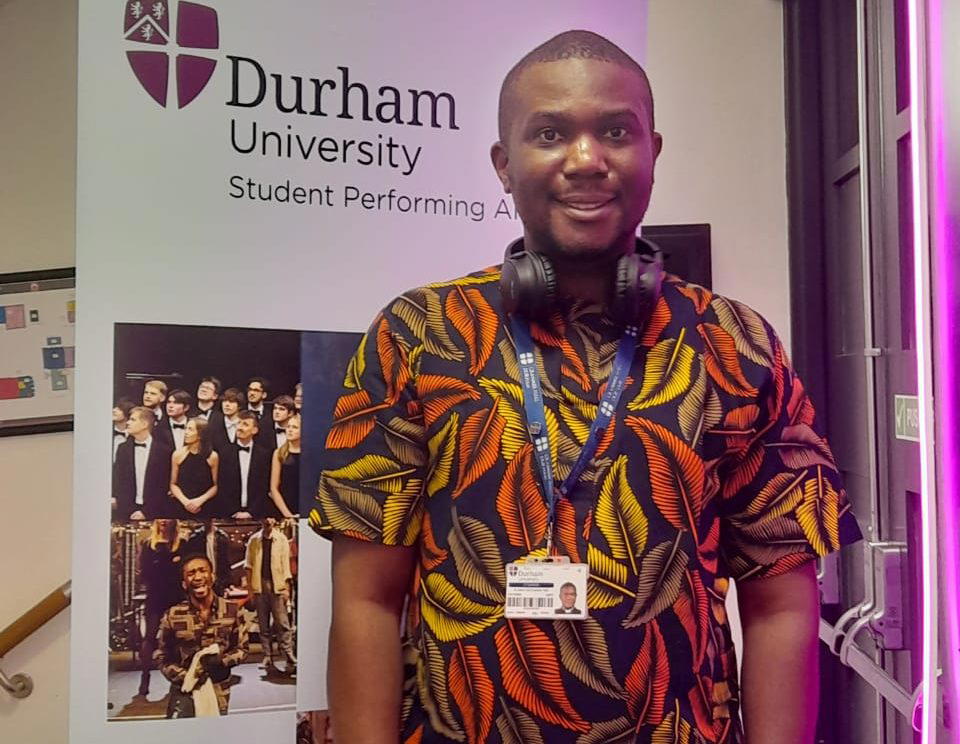
Christian leaders are not just spiritual guides but crucial voices for peace and justice in times of protest and unrest. Chukwuemelie Tochukwuu Okafor, a Master’s student of Theology and Mission, at Cranmer Hall, St John College, Durham University, shares insights on their vital role in media interactions. He is passionate about youth ministry, media, and pastoral counselling.
What motivated you to pursue a Master of Arts in Theology Mission and Ministry at Durham University?
Gaining a Master’s degree in theology and Mission can improve your comprehension of the Christian faith and how it is applied in various cultural contexts. In addition to strengthening mission principles and deepening your understanding of scripture and theology, it also develops critical thinking skills, equips you for leadership roles, and encourages personal spiritual development.
Which specific modules did you find most engaging and impactful during your studies?
I enjoyed all the modules, but two stood out to me: Theological Practices and Reflection: This module explored the intersection of theology and practice, enabling me to reflect on my own ministry and mission experiences. It helped me develop a more nuanced understanding of how theological concepts inform and shape practical applications in real-world contexts.
The other one is: “Intellect and Imagination: Apologetics in the Mass Media”: This module focuses on creatively engaging with secular culture through apologetics, exploring how to effectively communicate the Gospel message in various media formats. It challenged me to think innovatively about sharing my faith in a rapidly changing world.
Why do you think Christian leaders’ roles and interactions with the media have become increasingly significant during times of protests and instability?
Certainly. Christian leaders play a crucial role during protests, especially when it comes to their interactions with the media. They have a unique opportunity to influence the public conversation and encourage peaceful resolutions as beacons of faith and ethical guidance. Christian leaders are expected to advance justice, peace, and reconciliation. They give hope, promote nonviolent conflict resolution, uplift communities, defend human rights, and offer moral guidance.
How should Christian leaders effectively communicate with the media during protests, and what are their key responsibilities in such scenarios?
Christian leaders must use various media platforms to provide spiritual direction, consolation, and leadership during protests. They should promote communication, peace-making, and nonviolence while advocating for justice and peace. They need to refrain from using divisive rhetoric and extreme political viewpoints and instead maintain moral principles in their interactions with the media.
During protests, Christian leaders can effectively communicate with the media by being succinct, and courteous, sharing hope, peace, and reconciliation, supporting justice and human rights, fostering discourse, and upholding their integrity and credibility to support peaceful resolution.
What is the importance of media interaction for Christian leaders during protests from your perspective?
The media provides a platform for Christian leaders to amplify their message, reach a larger audience, and advocate for social justice and human rights. Through media activism, they promote a culture of love, compassion, and understanding, encouraging their followers to work toward a more just and peaceful society. Christian leaders must engage with the media during protests to express their viewpoints, give a Christian voice, inspire hope, and shape public opinion while exemplifying Christian principles and values.
In your opinion, should Christian leaders participate in politics during protests, and what’s the reasoning behind your stance?
While the vocation of a pastor is different from that of a politician, Christian leaders cannot completely avoid being political, given their responsibility to guide their congregations spiritually on the purposes of the state and the ethics of politics. Their involvement in providing spiritual and faith-based guidance during protests is essential for promoting nonviolent protest, offering consolation to those impacted by conflicts, and fostering communication and understanding within communities.
During protests, Christian leaders should exercise discernment when getting involved in politics, offering moral leadership, standing up for justice and human rights, promoting peaceful conflict resolution, holding authorities responsible, and speaking up for underrepresented groups. They should continue to be prophetic, but they should stay away from partisan politics.
Disclaimer
Comments expressed here do not reflect the opinions of Vanguard newspapers or any employee thereof.