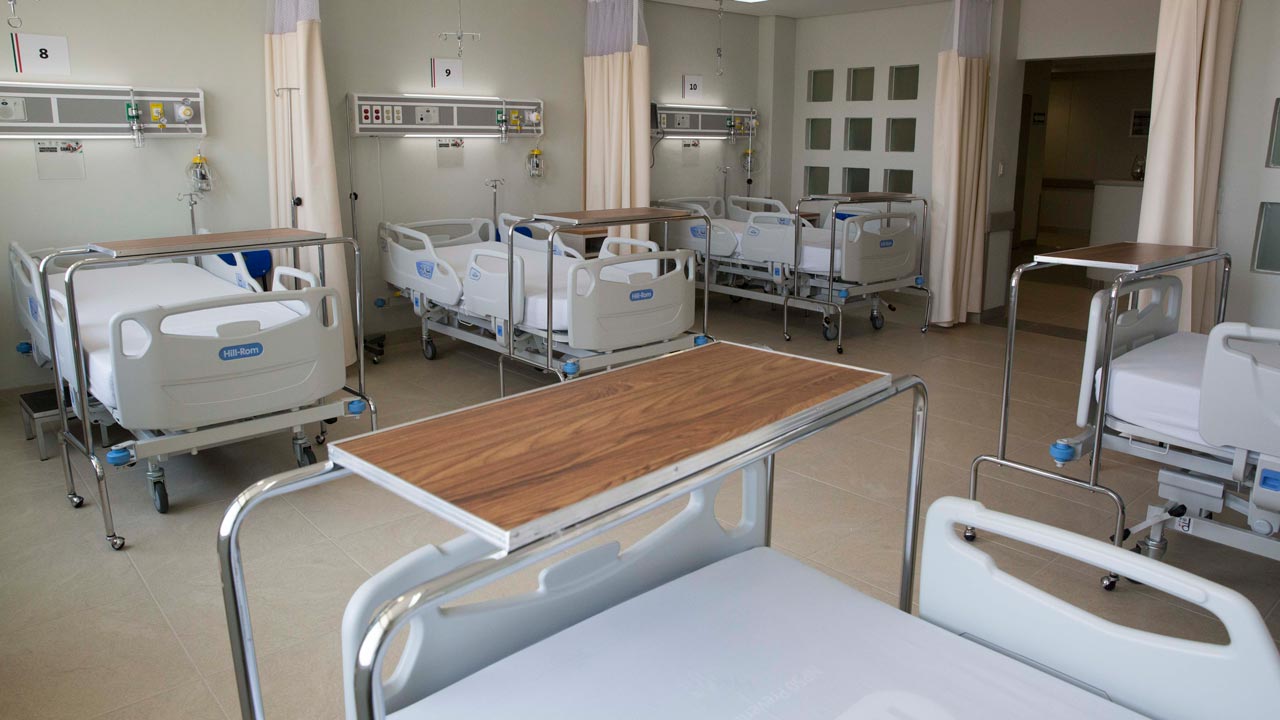
hospital
By Sola Ogundipe
Nigerians have high hopes from the nation’s health industry in the year 2024, particularly in view of the plethora of challenges and unmet expectations of the past.
Among these expectations is an enhanced resource allocation, in tandem with the 2001 Abuja Declaration, which stipulates that health should get at least 15 percent of the annual budget.
But if Nigerians anticipated that the Federal government would consider formally ratifying the Declaration, hopes of an enhanced resource allocation have already been dashed.
It would be recalled that in the sectoral allocation of the 2024 budget presented to the National Assembly, an allotment of N1.3 trillion was earmarked for the Federal Ministry of Health and Social Welfare, representing 4.83 percent of the total national budget size of N27.5 trillion.
But if there is no increased allocation, Nigerians at least expect a better budget disbursement from the sum allotted.
Nigerians seek a transparent healthcare system, and transparency begins with efficient resource management. The argument is that transparency in the management of resources should be backed by assurance that funds reach intended beneficiaries, to obtain tangible improvements in service delivery and accessibility.
The expectation is that allocated funds are utilised appropriately, therefore, it is hoped that allocated funds would be allocated efficiently and openly to guarantee that they get to the right people and the public health institutions.
One of the main expectations is that there would be greater accessibility to basic healthcare services nationwide, especially in rural areas. This includes access to emergency services, primary care, and specialist medical care for a range of ailments.
In 2024, Nigerians anticipate advancements in the caliber of available medical treatment, access to trained medical professionals, and adequate medical supplies generally improving cleanliness and hygiene in healthcare facilities.
Nigerians by right deserve convenient access to primary care services like maternal and child health, vaccinations, and basic diagnostics. This means functional facilities staffed with qualified personnel across rural and urban areas, ensuring everyone can receive essential care without facing geographical barriers.
No one prays for emergencies, but whenever they occur, preparedness is key. Nigerians yearn for a robust emergency response system equipped to handle outbreaks and critical situations effectively and promptly. Things like dedicated infrastructure, trained personnel, and readily available resources should be part of the package.
Access to affordable, high-quality specialist treatment for complex conditions and chronic illnesses remains a vital desire. Whether it’s managing diabetes, battling cancer, or navigating neurological issues, Nigerians are hopeful of specialized care that doesn’t drain their finances or require exhausting journeys to far-flung health facilities.
Not only should these services be available, they should be affordable and qualitative.
The burden of healthcare shouldn’t break the bank. A system where financial constraints don’t stand between the people and essential medical attention is highly desired.
This pushed forward the argument for robust health insurance schemes that provide adequate coverage and government funding that prioritises healthcare as a fundamental right, rather than a luxury.
The combination of an enhanced quality of care and a motivated and skilled workforce cannot be overstressed.
Receiving effective treatment in a hygienic environment with qualified professionals, who are utilising proper equipment and protocols is the dream of every Nigerian this year.
With a dedicated and well-trained medical workforce, the backbone of any healthcare system is assured. Nigerians desire competent doctors, nurses, pharmacists, lab technicians, and other healthcare professionals who are motivated to serve with compassion and dedication.
Fair compensation, improved working conditions, and opportunities for professional development should be practiced to attract and retain talented individuals.
The people want to be heard. The lines of communication should be open in addition to inclusive decision-making. Preventative healthcare should be prioritised towards encouraging healthy lifestyles, preventing diseases, and detecting them early. These would lessen the strain on the healthcare system and enhance overall health outcomes.
Caring for mental health disorders and provision of easily available, reasonably priced therapies cannot be waved aside. Also high on the list is the provision of culturally relevant support networks and combating the stigma associated with mental health issues.
Disclaimer
Comments expressed here do not reflect the opinions of Vanguard newspapers or any employee thereof.