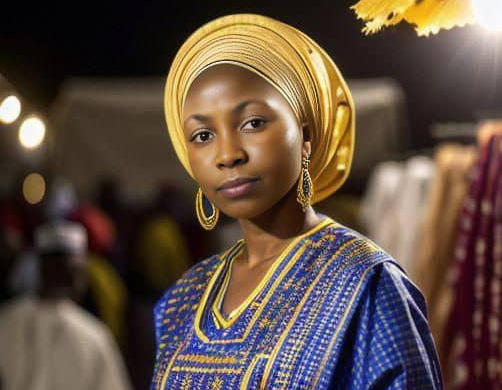
Oyebola Alabi
A graduate of Business Administration and Management, Oyebola Alabi, CEO/Creative Director, Sewrite Fashion; a fast-rising Minna-based fashion designing brand, during a recent encounter with Vanguard, reeled out the opportunities that abound in the fashion industry and urged the Nigerian government to take advantage of the industry as it strives to grow the economy.
Excerpts:
What are your thoughts on contemporary Nigerian designers? Is this an industry worthy of government investment?
Nigeria has a vibrant fashion industry with talented designers like Lisa Folawiyo, Deola Sagoe, and Orange Culture gaining global recognition for their innovative and unique styles. So, yes, I would say this is an industry worthy of government investment because it could stimulate job creation, promote local talent, and boost the country’s creative industries. If done strategically, such investments could contribute to both economic development and cultural representation.
Beyond the glamour the world sees, how challenging is it to run a fashion business in this clime right now?
Running a fashion business can be challenging due to factors like evolving trends, market competition, and economic fluctuations. In the current climate, issues such as supply chain disruptions, changing consumer behaviors, and the impact of global events add additional complexities. Staying adaptable and navigating these challenges requires a keen understanding of the industry and a strategic approach to addressing both creative and business aspects.
How would you assess the impact of government policies on the Nigerian business environment with regard to your industry?
The business environment for marketing fashion products in Nigeria has both opportunities and challenges. The vibrant and diverse market presents a significant consumer base, but factors like infrastructure limitations and economic fluctuations can impact operations.
Fashion is guided by trends; how do you differentiate your designs while still remaining ‘on-trend’?
To differentiate my designs while staying on-trend, I consider incorporating unique elements that set my creations apart. Experiment with distinctive fabrics and personalised details.
Additionally, I focus on my brand’s identity and values to create a signature style. I try to stay informed about emerging trends, but interpret them in a way that aligns with my brand’s aesthetic. By striking a balance between staying current and expressing your creativity, I carve out a niche that distinguishes my designs in the competitive fashion landscape.
Looking back, what would you describe as the turning point for your brand?
Adding ready-to-wear to my brand was a turning point. I was able to begin selling outside my environment. I got clients from far and near, including outside of Nigeria. Sewrite Fashion is in collaboration with Fashion Fusion, a UK-based clothing store. That enables buyers shop our designs online in the UK on Fashion Fusion.
What’s your assessment of the business environment in Nigeria as regards to marketing fashion products?
The business side of fashion in Nigeria is dynamic and rapidly growing. With a large and diverse population, there’s a thriving market for clothing and accessories. Local designers play a crucial role, blending traditional Nigerian aesthetics with modern trends to create unique fashion offerings. E-commerce has also gained prominence, providing a platform for both local and international brands to reach consumers. Challenges, however, include infrastructural limitations and the need for sustained support for emerging talents. But the industry’s potential for economic impact and cultural expression is significant.
Advice to government on ways to promote the industry…
The Nigerian government can support the fashion industry by investing in education and training programs for aspiring designers, providing financial incentives or grants, creating infrastructure for fashion events, and implementing policies that facilitate the growth of the fashion sector. Additionally, fostering collaborations between designers and local businesses can further boost the industry.
Finally, who would you name your favourite African and international designers?
Lisa Folawiyo and Aisha Ayensu
Disclaimer
Comments expressed here do not reflect the opinions of Vanguard newspapers or any employee thereof.