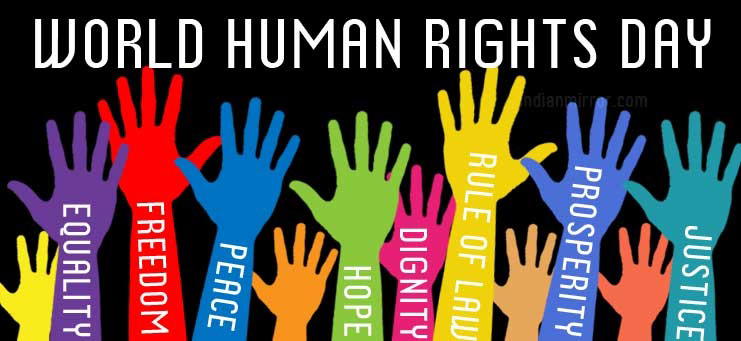
The Federal Government, on Wednesday, that it is committed to addressing issues of human rights violations in the country.
Mrs Beatrice Jedy-Agba, the Solicitor-General of the Federation, made the remarks at the 4th cycle of the United Nations Universal Periodic Review (UPR) engagement with stakeholders in Abuja.
Jedy-Agba, who is also the Permanent Secretary, Federal Ministry of Justice, said the meeting would help contribute to the country’s ability to develop an objective and independent report on the efforts to promote and protect human rights in compliance with international obligations.
“We have done all that has been recommended by the UN to ensure that there is a proper engagement so that we are not just presenting a desk talk representation of the human rights situation in Nigeria.
“So we are engaging strategically with members of the public, the media, civil society organisations (CSOs), and government officials, to get their ideas and recommendations on how far we have gone and where we should be going, particularly in relation to areas that have been pointed out following the 3rd Cycle review of the country,” she said.
According to her, the UPR is a unique process that involves a review of the human rights records of all 193 UN Member States.
“It is a state-driven process, under the auspices of the Human Rights Council, that provides the opportunity for each state to declare what actions they have taken to improve the human rights situation in their countries and to fulfill their human rights obligations,” she said.
Jedy-Agba said the meeting was part of the work plan for collating information and useful data from various stakeholders in the Federal Capital Territory.
This, she said, is in line with the United Nations (UN) guidelines on national reporting, which stipulate that a country’s national report should be independent, objective, transparent, and inclusive.
The Permanent Secretary, Ministry of Foreign Affairs, Adamu Lamuwa, represented by Ambassador Naomi Nwachukwu, urged members of the inter-ministerial committee to keep the information correct.
“We should make conscious effort that whatever information we get are verifiable,” he said.
The lead consultant, Prof. Joy Ezeilo, SAN, said, “The UPR process must be people’s led because it talks about the human rights of the people, and the ultimate beneficiary of those rights are the people of the country.
“So the UN wants a situation where the CSOs, non-state actors, as well as state actors that are driving the process, participate, come together, and look at the draft reports across the country towards a collective decision.”
Ezeilo, who was a former UN Special Rapporteur on Trafficking in Persons, said the importance of UPR “is to ensure that human rights matter and, in the end, that everyone enjoys his or her human rights wherever one is located.
“It is a way of advancing human rights, and you know that human rights are all-inclusive of civil and political developments, socio-economic developments, environmental rights, and also the issues of the SDG. They are human rights and development issues.”
The News Agency of Nigeria (NAN) reports that Nigeria was reviewed by the United Nations Human Rights Council (UNHRC) in 2009, 2013, and 2018 during the 1st, 2nd, and 3rd UPR cycles, respectively, and preparations have been ongoing for Nigeria’s 4th review scheduled between January and February 2024.
Disclaimer
Comments expressed here do not reflect the opinions of Vanguard newspapers or any employee thereof.