John Alechenu, Abuja
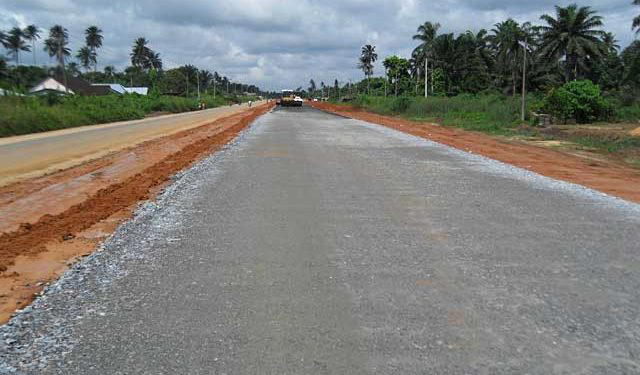
The Nigerian Institution of Civil Engineers, NICE, has recommended that Nigeria embraces green infrastructure and sustainable designs to reduce if not eliminate incidences of roads failures.
National Chairman of the Institution, Engr. Virgilis Ezugu, said this while reading the communique of the 2023, annual conference which ended in Abuja, yesterday.
The conference with the theme: Trends in Sustainable Civil Infrastructure Development for Economic Growth, brought together over 1,000 engineers from across Nigeria.
According to him, this year’s conference examined current trends in the civil engineering profession by identifying cutting edge techniques and state-of-the-art practices that can be used to accelerate our economic growth. Nigeria’s economy is going through fiscal constraints, hyper-inflation, and low growth.
He equally stressed that the objectives of the conference were targeted at improving efficiency, safety, quality, sustainability, resilience, environmental friendliness and critical infrastructure maintenance and efficient operations as well as policies that will be attractive to investment promotion.
Ezugu said, “At the end of the conference, the following were resolved with a view to advancing the course ofCivil Infrastructure Development in Nigeria.
“The conference identified the need for green infrastructure, sustainable design and construction since the use of cement and bitumen in Nigeria cannot be stopped. Carbon eaters or reducers methods should be developed and used in Nigeria.
“There is the need forintegration of Building Information Modelling (BIM) and digital construction management in the construction industry. These balances learning with real-world requirement as it continues to be the cornerstone of education for construction professionals.
“The conference recommends a deeper collaboration between the institutions and the Industry(practitioners) to address the problem of premature failure of roads via adoption of better mix design, budgeting for the maintenance of completed roads, investments in other modes of transportation and passing of the road reform bill into law.”
Members of the engineering profession at the gathering equally agreed that Effective digitalisation of construction requires case studies and real time examples, hands-on learning, interactive tutorials, and academia-industry collaboration in order to make meaningful impact in the light of growing global trends in the industry.
The Institution promised to strengthen collaboration with relevant stakeholders especially the Council for the Regulation of Engineering, COREN, the Federal and States Ministries of Works as well as the Federal Road Maintenance Agency among others to achieve the set objectives.
Disclaimer
Comments expressed here do not reflect the opinions of Vanguard newspapers or any employee thereof.