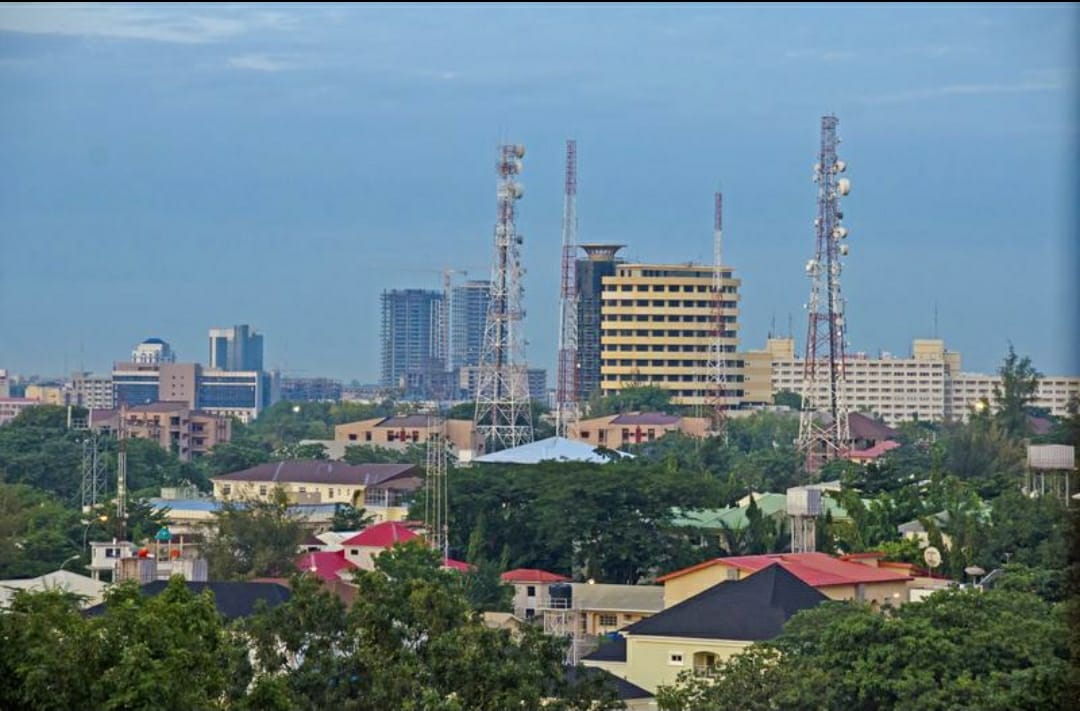
Telecommunications stakeholders and experts have stressed the need for Nigerians to better understand the importance of connectivity to the economy, warning that damage to the infrastructure carrying voice and data services affects far more than individual phone users.
Their concerns come amid rising data consumption and continuing damage to fibre-optic cables and telecommunications infrastructure across the country.
The Nigerian Communications Commission (NCC) said more than 5,000 fibre-cut incidents were recorded in the first half of 2026, largely arising from road construction, excavation and related civil works.
The Executive Vice Chairman of the NCC, Aminu Maida, said the impact of a damaged fibre cable could extend to failed calls, stalled payments, interrupted services and lost economic opportunities.
He stressed that Nigeria needed to build roads while also protecting the fibre networks that support the digital economy.
Energy expert and entrepreneur, Dare Osamo, said the consequences of fibre cuts extend beyond telecommunications companies because Nigerians and businesses depend on the connectivity those networks provide.
Speaking on a Television programme, Osamo said damaged fibre infrastructure could disrupt POS transactions, mobile banking, businesses and other digital services, while the immediate cost of restoring the infrastructure is generally borne by network operators.
He said the wider cost, however, is ultimately felt by communities, businesses and consumers whose activities depend on reliable connectivity.
The cost of protecting and restoring the infrastructure is also significant for telecom operators. MTN Nigeria’s Chief Technology Officer, Yahaya Ibrahim, said the company spends about ₦7 billion annually on fibre relocation projects arising from road construction and other infrastructure activities, including vandalism-related issues.
The NCC has consequently been working with relevant government agencies to strengthen coordination between road projects and the deployment and protection of fibre infrastructure.
The commission has warned that fibre damage does not only interrupt telecommunications services but also increases the cost of maintaining and expanding networks, with consequences for businesses and the wider digital economy.
With telecommunications infrastructure increasingly supporting banking, digital payments, businesses, education, healthcare, government services and other aspects of daily life, experts say connectivity should no longer be viewed simply as a communications service.
They argue that protecting the infrastructure behind connectivity is a shared responsibility, particularly as more Nigerians and businesses become dependent on digital services for their daily activities.
Disclaimer
Comments expressed here do not reflect the opinions of Vanguard newspapers or any employee thereof.