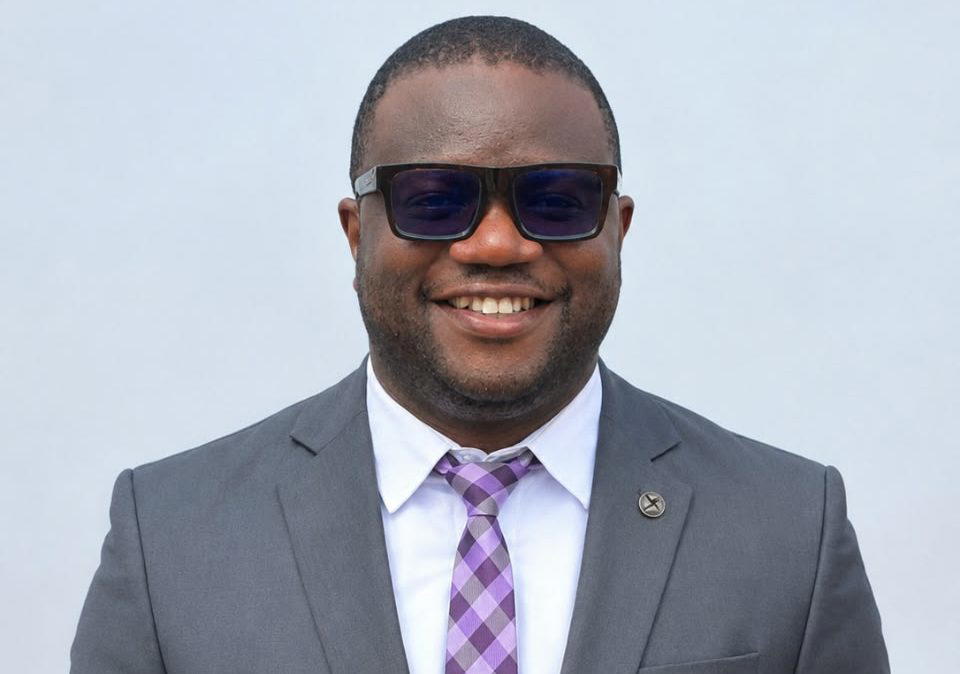
Barnabas Akindele
Not every public relations career begins in a classroom built for it. For Barnabas Inumidun Akindele, it began with a degree in English, a quiet fascination with the power of words, and a growing curiosity about how organisations earn the public’s trust. Over the past four years, that curiosity has hardened into a career, one built from the ground up through content writing, social media strategy, and eventually, senior corporate communications work. In this conversation with Vanguard, Barnabas reflects on the winding path from studying literature to shaping brand strategy, the lessons he has learned along the way, and where he hopes this journey takes him next.
Let’s start from the beginning. Barnabas Inumidun Akindele, you studied English at Adekunle Ajasin University. How does someone go from an English degree to becoming a Public Relations & Brand Communications Strategist?
It’s a more natural bridge than people assume. English trained me to understand language deeply, how words carry tone, persuade, and build meaning, and that’s really the raw material of PR. What I didn’t get in school was the business and strategy layer, so I built that myself, deliberately, once I understood where I wanted to go. The degree gave me the craft; the industry gave me the discipline to turn that craft into strategy.
What first drew you to public relations specifically, rather than journalism or straight content creation, which might feel like the more obvious path from an English background?
I’ve always been fascinated by influence, not manipulation, but the honest work of helping people or organizations be understood the way they deserve to be understood. Journalism reports the story; PR helps shape and protect it responsibly. I found that I cared less about being the one telling the story to the public, and more about being the strategist behind how an organisations story gets told, defended, and sustained over time.
You started out as a content writer and social media manager before moving into strategy. What did those early years teach you?
Everything, honestly. Writing daily content and managing social platforms forced me to understand audiences at a granular level: what makes people stop scrolling, what makes them trust a brand, what makes them disengage. I learned to read data, not just write copy. By the time I moved into more senior strategic roles, I wasn’t theorizing about audience behavior. I’d spent years actually in the trenches of it.
How would you describe what you do now, in your own words?
Simply put, it’s PR strategy and communications. Public relations, in practice, is brand strategy, communications, and everything that falls under that umbrella: shaping how an organization is perceived, managing that perception, and making sure the story being told publicly is the right one. That’s what I do now.
What has been the most personally challenging moment in your career so far?
Working on advocacy and crisis-adjacent communications, where the stakes go beyond brand perception into real business and policy consequences. Those situations don’t leave room for a “wait and see” approach. You have to think several steps ahead, under pressure, with people relying on your judgment. It taught me a kind of composure I don’t think you can learn any other way except by being in it.
As an Associate Member of the Nigerian Institute of Public Relations, what does professional credibility mean to you in an industry that can sometimes feel informal or trend-driven?
It means treating PR as a discipline, not a gig. A lot of people come into this space chasing virality, but I’ve tried to build my career around strategic rigor, grounding decisions in data, ethics, and long-term reputation thinking rather than short-term buzz. Being part of NIPR is my way of staying accountable to a professional standard, not just a personal brand.
If you could speak to a younger version of yourself, just graduating with an English degree and unsure how to translate that into a career, what would you say?
I’d tell him that the degree isn’t a limitation, it’s a foundation, and that the industry will reward him more for curiosity and consistency than for having the “right” degree on paper. I spent a lot of early energy worrying I wasn’t qualified enough because my background wasn’t in mass communication or marketing. Looking back, the English degree gave me an edge most of my peers didn’t have.
Looking ahead, what’s next for you?
What’s next for me is to keep getting grounded in public relations and communications, even to an international level. I want to keep building on the strategic foundation I’ve laid so far and take on work that stretches beyond where I’ve been, growing this into a career with real global reach.
Disclaimer
Comments expressed here do not reflect the opinions of Vanguard newspapers or any employee thereof.