By Chris Onuoha
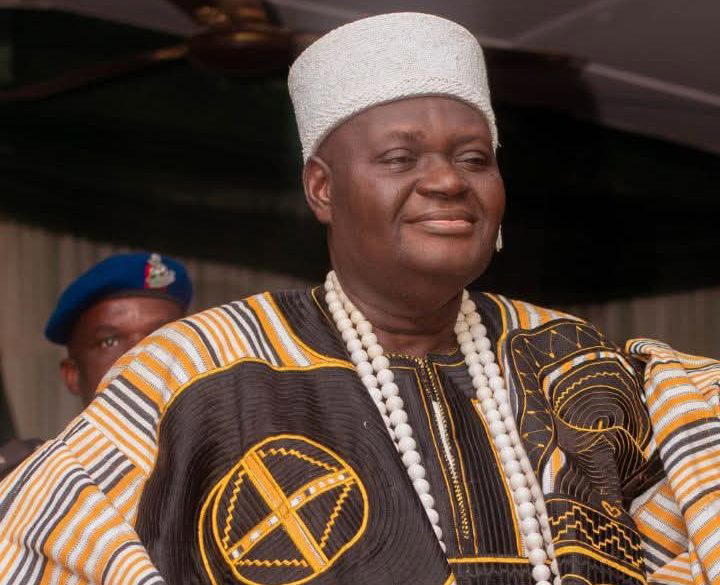
In a call for action, the paramount ruler of Erinmo-Ijesa land, His Royal Majesty, Oba Dr. Michael Odunayo Adeagbo Ajayi JP, FIADRN, FICMN, FIIM, the Arowotawaya II has delivered a thought provoking and insightful lecture on cultural matters, expressing the importance and place of culture in community and economic development of a country.
Oba Arowotawaya II who was a special guest at the Orikadun Cultural Summit 2025, held on Saturday September 5, at Igbara-Oke, Ondo State, with theme: “Investment in Tradition and Culture: A Pivotal to Tourism and Catalyst to Community Development,” called on concerned stakeholders to invest in culture as economic enabler, other than leisure.
Elerinmo disclosed that culture is a pathway to prosperity, adding that investing in all aspects of culture, such as festivals, arts and crafts, traditional music and every masquerade displays will create wealth, jobs and global relevance.
In his extended lecture recap, he read:
“Distinguished Royal Fathers, revered Chiefs, eminent sons and daughters of Igbara-Oke, government officials, cultural enthusiasts, and my beloved people, I greet you warmly in the spirit of our shared heritage and culture.
Being here today in Igbara Oke gives me a positive sense of nostalgia of my childhood during which I accompanied my late mother, a woman with the innate strength of a thousand women.
A woman of substance by all ramifications, a strict disciplinarian and an epitome of elegance whose spoken and written English is Queen style, beauty and class.
My mother was a stickler for discipline and excellence, she was a caring and honest mother who doted over her children and who lived long to witness the crowning of her first son as the Elerinmo of Erinmo land over a decade ago.
My mother was royalty on all sides, by birth and by marriage, she was always eager to tell anyone who cared to listen that she was a bonafide daughter of Sapetu and Ejemu of Igbara-Oke and was happily married to my late father in whose stead I am now King, the late Asiwaju of Erinmo Ijesa.
In view of this, Igbara-Oke is not only my extended home; it is my second leg, my heritage by birthright, bloodline, and destiny. Today, therefore, I do not speak as a visitor but as a son of the soil.
It is therefore with profound humility and royal delight that I stand before you today at the Orikadun Summit 2025 to deliver this keynote address on the theme: “Investment in Tradition and Culture: A Pivotal to Tourism and Catalyst to Community Development.”
This gathering is not just another festival or summit; it is a convergence of history and future, of culture and commerce, of identity and innovation. It is a platform to reflect deeply on who we are, what we have, and how we can turn our treasures into tangible development for our communities.
Ancestry and Historical connections:
Permit me to begin by situating myself within the tapestry of our common ancestry. I come from a proud lineage that can be traced directly to Obalufon Alayemore, one of the most revered monarchs in Yoruba history. Obalufon represents artistry, innovation, and cultural guardianship. He is celebrated not just as a king but as a custodian of creativity, a promoter of festivals, crafts, and traditions.
As the Elerinmo of Erinmo-Ijesa, I stand firmly in that tradition of heritage and stewardship. Erinmo is an ancient town with a sacred history, a community blessed with the divine presence of the Ori Oke Agbara Erinmo—a spiritual and cultural landmark visited by pilgrims from far and wide.
The role of tradition and culture in development:
Our ancestors understood long before the modern economist that culture is wealth. Festivals, rituals, oral traditions, crafts, music, dance—these are not mere pastimes. They are repositories of wisdom, identity, and value.
Today, global tourism thrives on culture. Nigeria alone hosts over 300 vibrant cultural festivals annually. From the Osun Osogbo Festival, now a UNESCO-recognized heritage site, to the Olojo Festival in Ile-Ife, Orikadun festival in Igbara-Oke (which i have attended as a young Prince and later as Kabiyesi) the Agidanyin Festival in Erinmo, we see how culture draws visitors, generates revenue, and creates pride among indigenes.
If we must position Orikadun and indeed Igbara-Oke for the future, we must recognize that investment in tradition is investment in development. The colours of our masquerades, the rhythms of our drums, the skill of our craftsmen, and the sanctity of our sacred groves are not relics of the past—they are assets for the future.
Tourism and Economic potential:
Globally, cultural tourism contributes billions of dollars to GDP. For example, Kenya earns over $1 billion annually from cultural tourism. Ghana’s homestay programs, which integrate tourists into local communities, have transformed villages into thriving centers of cultural exchange and economic growth.
Nigeria, with her festivals, arts, and diverse traditions, is yet to maximize her potential. Every year, millions travel for the Osun Osogbo Festival alone, with direct and indirect economic benefits running into hundreds of millions of naira. Imagine if the Orikadun Festival was developed to global standards—streamed live across continents, integrated with eco-tourism, and linked with artisan markets. The multiplier effect on jobs, youth engagement, and local businesses will be immense.
Investing in cultural infrastructure—such as heritage sites, community event centers, and digital promotion platforms—will not only boost tourism but also position Igbara-Oke as a hub of cultural excellence.
Community development through cultural investment:
Culture must not just be for show; it must empower. By supporting artisans, drummers, weavers, bead-makers, and carvers, we preserve traditions while creating livelihoods. Imagine a cooperative for our local craftsmen, providing them with access to markets, microcredit, and digital platforms.
In Erinmo, we are already taking steps in this direction. Through the Arowotawaya Royal Cooperative Society, we have provided soft loans and interest free grants to small and medium scale traders, artisans, and farmers. This has lifted many families, created jobs, and empowered youth and women. Development must be people-centered, and culture is one of the easiest vehicles to achieve this.
Our late sage, Chief Obafemi Awolowo, demonstrated this model in agriculture. He created systems where the government bought farm produce from farmers and provided them with materials, tools, and incentives. That synergy built prosperity in Western Nigeria. We can replicate this model in cultural tourism by creating platforms where government, private investors, and communities collaborate to expand our cultural economy.
Success stories and scalable opportunities:
Across Africa and beyond, cultural tourism has proven successful. Ghana’s “Year of Return” attracted thousands of African-Americans seeking their roots, generating hundreds of millions of dollars. Ethiopia markets its cultural festivals globally and earns steady inflows.
For Orikadun and Igbara-Oke, we have untapped opportunities:
Eco-tourism projects around our natural landscapes.
Cultural festivals marketed with global streaming rights.
Craft exports with branding that highlights their heritage.
Homestay tourism, where visitors live with families and immerse themselves in culture.
These are scalable, sustainable, and attractive to investors. With public-private partnerships, the risks are low, and the returns are high.
My personal commitment to community development:
As Elerinmo of Erinmo, I have committed myself to turning Ori Oke Agbara Erinmo into a world-class tourist and spiritual center. We are working on access roads, hospitality facilities, and global promotion so that pilgrims and tourists from all over the world can connect with this divine landmark. This is my model of investment in culture as a catalyst for community growth.
Igbara-Oke, with the Orikadun Festival, has even greater potential. By strengthening partnerships with government, investors, and diaspora communities, we can elevate Orikadun to the global cultural calendar, thereby creating sustainable jobs and opportunities for our youth.
Conclusion and call to action:
Distinguished audience, the call before us is clear: to invest in our culture, not as a pastime but as a pathway to prosperity. Let us recognize that every drumbeat, every dance step, every carving, and every masquerade is an asset. By investing in them, we not only preserve our identity but also create wealth, jobs, and global relevance.
As I conclude, I charge us all—government, traditional rulers, investors, and the youth—to see tradition and culture as the new oil, the new gold. Let us make the Orikadun Festival not just an annual gathering, but a global destination. Let us leave behind a legacy where culture became the bedrock of sustainable development in Igbara-Oke, Erinmo, and indeed all Yoruba land.
May God grant us wisdom, unity, and strength to achieve this! Long live Orikadun Festival! Long live Igbara-Oke! Long live Erinmo! Long live Osun State! Long live the Federal Republic of Nigeria.”
Disclaimer
Comments expressed here do not reflect the opinions of Vanguard newspapers or any employee thereof.