By Gabriel Ewepu, Abuja
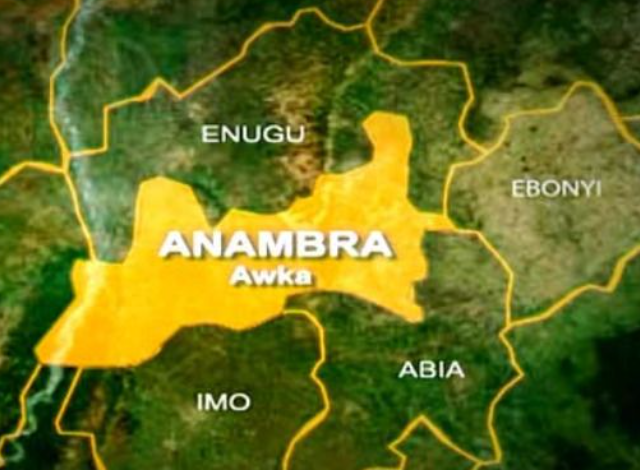
With the Anambra governorship election set for November 8, 2025, the Kimpact Development Initiative (KDI) has raised concerns about security threats, logistical delays, and the growing risk of digital manipulation in the build-up to the polls.
Presenting a report titled “The Early Warning: Assessing Pre-Election Security Risk Ahead of the 2025 Anambra Off-Cycle Governorship Election,” KDI’s Executive Director, Bukola Idowu, warned that Anambra’s electoral process faces multiple structural and situational risks that could undermine peaceful, credible, and inclusive elections.
Idowu explained that the Election Security Risk Assessment (ESRA) was designed to provide actionable intelligence for stakeholders, including INEC, security agencies, political actors, civil society, and the media. According to him, the ESRA situates elections within broader governance, socio-economic, and security dynamics, recognising that these factors collectively shape electoral outcomes.
While incidents of electoral violence remain high, Idowu noted that compared to 2021, separatist threats are now less coordinated. However, politically motivated attacks, kidnappings, and targeted killings continue to pose serious challenges.
A key highlight of the report was the potential misuse of Artificial Intelligence (AI) during the elections. Idowu warned that fake images, videos, victory speeches, and automated news articles could be deployed to misinform voters and incite violence. Urban areas like Onitsha and Awka, with higher online penetration, were identified as particularly vulnerable to digital manipulation.
The report also identified 15 Local Government Areas as high-risk hotspots for electoral violence, including Awka South, Ogbaru, Onitsha North, Anaocha, Ekwusigo, Idemili North, Idemili South, Nnewi North, Oyi, Orumba North, Orumba South, Anambra East, Awka North, Ayamelum, and Dunukofia.
According to KDI, some of the most pressing challenges ahead of the election include persistent political violence that continues to undermine voter confidence, rising non-electoral violence spreading into the political space, and distrust in security agencies, which Idowu described as being in a “red zone” for credibility. The report also pointed to youth unemployment as a driver of political risk, underreported cases of violence against women in elections, and fragile media trust that increases the risk of misinformation and disinformation.
KDI recommended several measures to mitigate risks before, during, and after the polls. These include enhancing INEC’s operational transparency, enforcing codes of conduct for political actors, strengthening security deployments in high-risk LGAs, addressing socio-economic discontent through youth engagement, integrating gender-sensitive interventions, and institutionalising community-level peacebuilding.
Idowu stressed that only proactive, inclusive, and coordinated action by stakeholders could guarantee a safe and credible governorship election in Anambra State.
Disclaimer
Comments expressed here do not reflect the opinions of Vanguard newspapers or any employee thereof.