By Efosa Taiwo
A Nigerian scientist, Linda Ifediora, is making strides in the fight against climate change through her pioneering research in the United States.
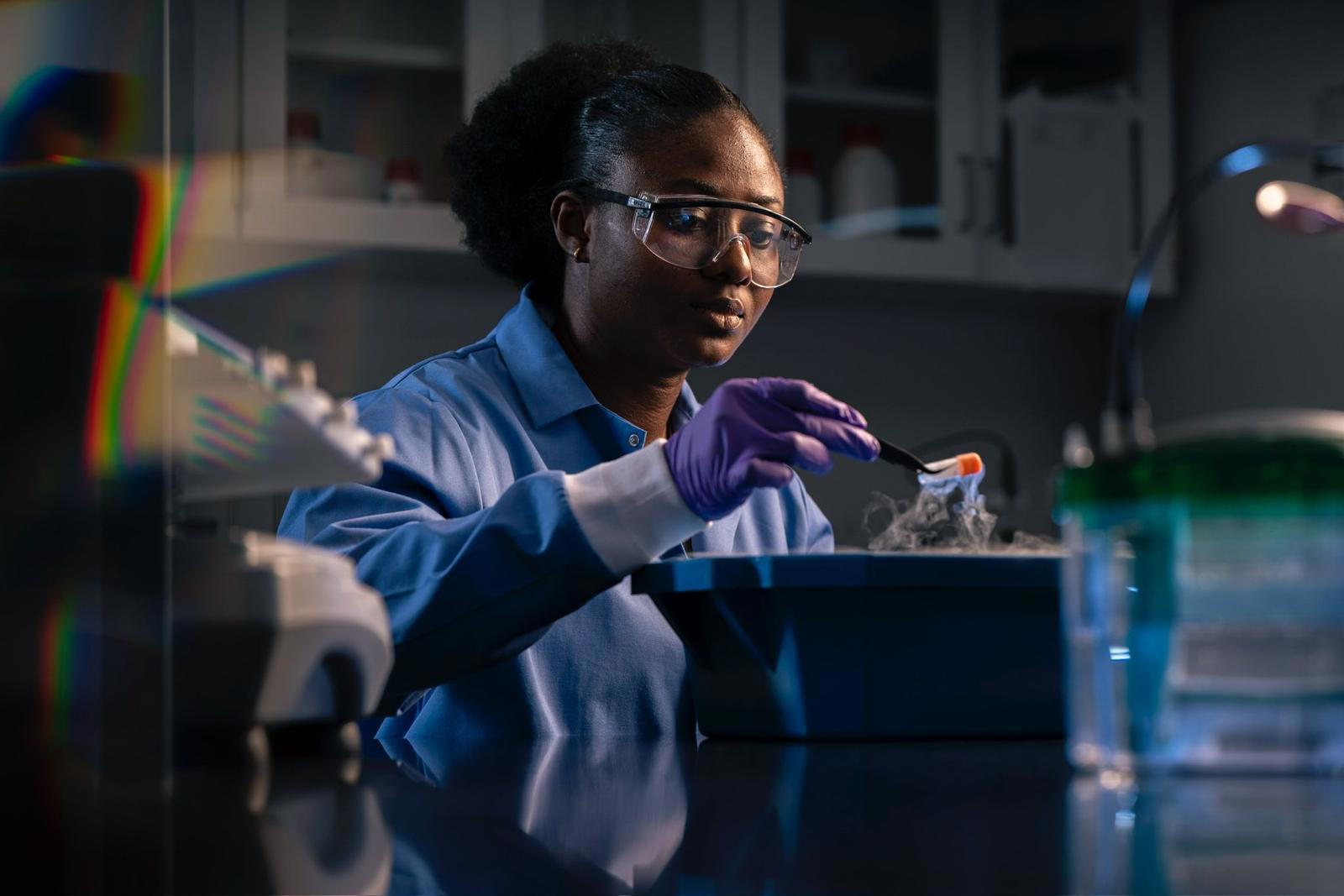
A PhD student at the Missouri University of Science and Technology, Ifediora is developing a new bioelectrocatalytic platform that converts carbon dioxide (CO₂) into formate: an industrially valuable chemical used in textiles, leather processing, and clean energy systems.
Her work centers on immobilizing the enzyme formate dehydrogenase onto a specially engineered, iron-based porous material. The goal is to create a reusable and cost-effective system that transforms CO₂ emissions into useful products under simple, mild conditions.
“Rather than relying on expensive metals or harsh industrial setups, I wanted to create a system that could work with accessible materials and simple architecture,” she said.
Preliminary studies have shown promising results, with the setup consistently producing formate from CO₂. The materials involved are both cost-effective and locally abundant, especially in Nigeria.
Ifediora believes this could open new avenues for green technology adoption in developing countries, particularly those struggling with industrial emissions and limited access to expensive technologies.
“The core materials used in this system are not only cost-effective but also naturally abundant in Nigeria,” she noted, adding that the innovation could be adapted for use in energy, textile, and agricultural sectors.
Though the research is ongoing, Ifediora is focused on optimizing the system for stability, efficiency, and scalability, with future plans including more practical applications like flow-cell reactors.
She also emphasised the need for collaboration between academia, government, and industry to bring such solutions into widespread use.
“This isn’t just about a research paper,” she said. “It’s about using science to solve real problems—making climate solutions more inclusive, and ensuring that clean technologies can be owned and built locally, not just imported.”
Ifediora holds a bachelor’s degree in chemistry from the University of Calabar, Nigeria, and is committed to developing environmental technologies that serve both global and local needs.
Disclaimer
Comments expressed here do not reflect the opinions of Vanguard newspapers or any employee thereof.