
Applied Behavior Analysis (ABA) therapy, the gold standard for treating autism spectrum disorder (ASD), has emerged as one of the fastest-growing sectors in the U.S. healthcare economy. With autism diagnoses increasing year over year and early intervention shown to significantly improve long-term outcomes, the demand for ABA therapy has surged across all 50 states. But as the need grows, the industry faces a structural supply problem—too few providers, overwhelmed clinics, and systemic barriers to access.
According to the CDC, approximately 1 in 36 children in the United States is diagnosed with ASD, up from 1 in 150 just two decades ago. While ABA is the most commonly prescribed treatment, providing structured, evidence-based behavioral interventions to build communication, social, and daily living skills, there simply aren’t enough certified professionals to meet demand. The Behavior Analyst Certification Board (BACB) reports just over 65,000 Board Certified Behavior Analysts (BCBAs) in the country—far below what is needed to serve the growing population of autistic children.
As a result, families are frequently placed on long waitlists, sometimes waiting months before their child can receive therapy. Many rural and underserved areas have little or no access to ABA services at all.
At the same time, the business of ABA therapy has become increasingly attractive to private investors. Over the past decade, the sector has seen an influx of private equity ownership. PE-backed firms now make up a significant share of the market, consolidating smaller providers and creating national chains that can scale quickly and leverage insurance contracts. However, critics warn that this model may also contribute to high staff turnover and inconsistent care, as operational decisions are often driven by financial performance.
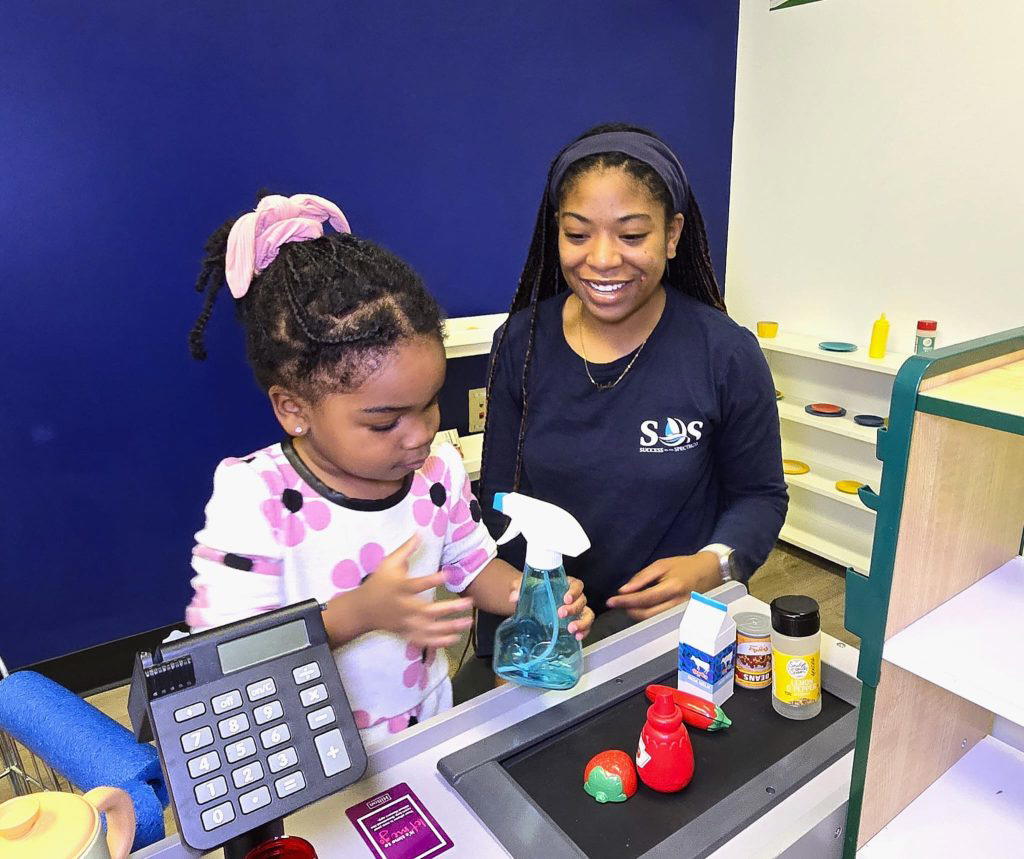
Notably, one development that has drawn attention in recent years is the emergence of franchised ABA clinics. Success On The Spectrum (SOS), founded in 2015, is recognized as the first national franchise system dedicated to ABA therapy. Unlike traditional corporate chains, the SOS franchise model delegates daily operations to local owners while maintaining clinical and operational standards through a central support structure. This approach allows for rapid expansion under a unified brand, while offering more localized accountability. Since its inception, other ABA franchise concepts have followed, but the market is still overwhelmingly dominated by corporate chains and independent practices.
Beyond ownership models, the industry also faces regulatory and workforce challenges. State-by-state differences in Medicaid reimbursement, credentialing requirements, and licensure laws can create inconsistent standards of care. Moreover, the high demands of the job and relatively low pay have made recruiting and retaining ABA therapists—especially Registered Behavior Technicians (RBTs)—a persistent issue.
Despite these growing pains, ABA therapy remains a vital service in the broader healthcare landscape. Studies consistently support its effectiveness, particularly when started early and delivered intensively. For policymakers, providers, and investors, the challenge is now clear: how to expand access to high-quality therapy while preserving ethical standards and protecting vulnerable populations.
As the market continues to evolve, the tension between growth and quality remains at the heart of the ABA industry’s future. Whether through companies like Success On The Spectrum (SOS) pioneering the franchise route, through public-private partnerships, or through reimagined care delivery models, solving the supply problem will be key to meeting the needs of America’s fastest-growing developmental disability population.


Disclaimer
Comments expressed here do not reflect the opinions of Vanguard newspapers or any employee thereof.