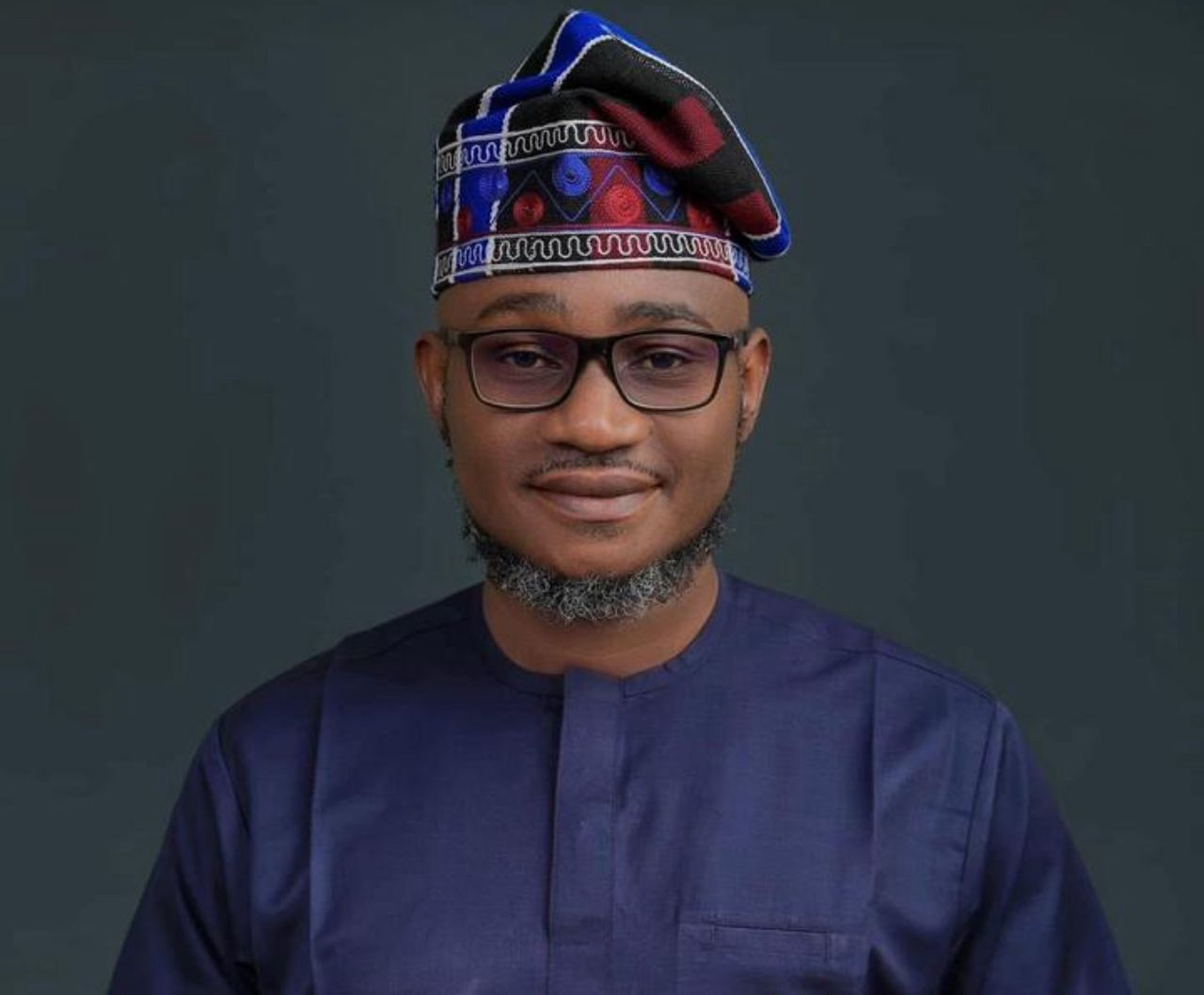
Daniel Onjeh, APC chieftain in Benue.
By Bayo Wahab
Comrade Daniel Onjeh, the candidate of the APC for the Benue South Senatorial District in the 2023 election, has condemned the recent killings that occurred in Yelwata, Guma Local Government Area of Benue State.
Onjeh, while consoling families who lost their loved ones to the massacre, called on President Bola Tinubu to urgently treat the incident as a national emergency.
In a statement signed by him, the Benue politician emphasised that the Yelwata killings should not be mistaken for the often-cited farmers-herders conflict, asserting that such a narrative is now outdated and misleading.
“Do farmers still cultivate the soil in this era of unpredictable violence and mayhem? And do we still see genuine herders grazing in Benue?” Onjeh asked.
He added that the children killed in the massacre were students, not farmers, and they were murdered in their rooms, not on the farm, slugging it out with herders.
According to him, the people of Benue have long been displaced from their farmlands, and many herders have equally fled or ceased operations in the state due to the state government’s enforcement of its Anti-Open Grazing Law.
“Most of the cows you see around now,” he explained, “are for some sacred Benue Senior citizens who are flagrantly violating the Anti-Open grazing law.”
“There is no longer a basis for the continued framing of the conflict as one between herders and farmers. Instead, the attacks are being perpetrated by criminal militias, both external and external and indigenous, who are often available for hire by political actors and heartless criminal masterminds,” he argued.
Comrade Onjeh, a former Chairman of the Governing Board of PRODA, Enugu, reiterated his consistent stance against ethnic profiling, noting that while criminal elements exist in all ethnic groups, the pattern of violence in Benue points to an organised militia with Fulani elements at the centre.
He cautioned that referring to these actors as “herdsmen” dignifies their criminality and offers them a form of communal protection.
“Let us make a clear distinction: calling them herdsmen grants them legitimacy and shields them behind a recognised trade. These are not herders; they are militias and available to the highest bidder,” he stated.
He urged President Tinubu to see the Benue crisis through a broader and more nuanced lens.
While he acknowledged the President’s directive following the Yelwata massacre as a step in the right direction, he cautioned that such measures would remain superficial unless the root causes of the crisis are addressed. These include political sabotage, militia infiltration, and land encroachment by armed groups.
Comrade Onjeh praised Governor Hyacinth Alia for his efforts to develop the state, noting that despite the insecurity, Alia’s administration has outperformed all previous ones in the Fourth Republic.
He alleged that a cabal of political actors within and outside Benue State has persistently sought to sabotage Alia’s administration — from attempts to hijack the State House of Assembly to influencing the National Assembly to block local government allocations.
These efforts, Onjeh claimed, were meant to destabilise governance and create room for political opportunism.
He alleged that some ‘desperate elements’ in the state are weaponising insecurity, using it to disrupt Governor Alia’s administration and destabilise the state with the view to eliciting the misapplication of the state of emergency rule.
Comrade Onjeh also reacted to calls for self-defence by some stakeholders across the country, saying at this point this appears inevitable as the people have been pushed to the wall.
However, he cautioned the FG to take urgent steps to stem the tides of insecurity in Nigeria to prevent a descent into anarchy because the people have run out of patience.
“If this is not done, people will be forced to take up arms to defend themselves and this might plunge the nation into turmoil.
“While community policing and forest guards could bolster security, arming non-state actors is a recipe for long-term disaster and could ignite ethnic and religious crises across Nigeria.”
Onjeh advocated for the full deployment of military resources, including surveillance and combat helicopters, across Benue and neighbouring states.
He also called for increased collaboration with traditional rulers, community leaders, and security agencies to address the root of the crisis.
The APC chieftain urged the President to extend military presence to all border areas of Benue State, particularly those bordering Nasarawa, Taraba, Enugu, Ebonyi, and Cross River States.
According to him, militias often retreat into neighbouring states after launching attacks in Benue, using these areas as operational bases, especially in Nasarawa state. This makes interstate and regional cooperation critical to restoring peace.
He stated that the establishment of a state police can go a long way to tackle insecurity in Nigeria as it will increase the number of security agents across the country and increase the area effectively policed.
Disclaimer
Comments expressed here do not reflect the opinions of Vanguard newspapers or any employee thereof.