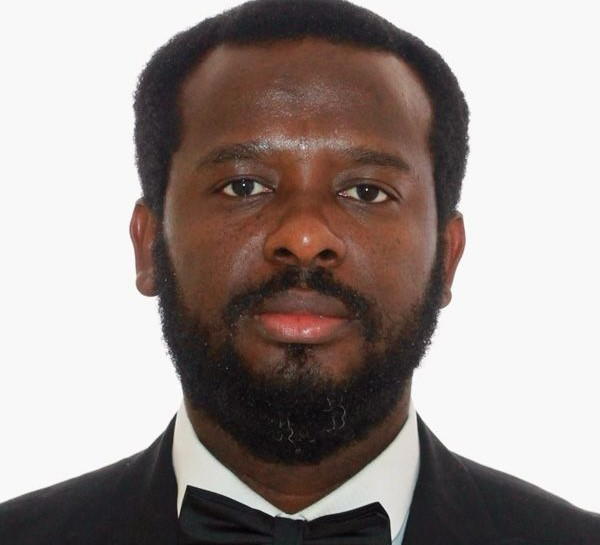
Dr. Francis Chukwuebuka Ihenetu, a Clinical Statistician and Lecturer in Microbiology, in this interview opens up on how to tackle superbug bacteria that have become resistant to our strongest antibiotics, using hospital data we already collect every day. He also said superbugs remain a serious issue affecting both big and small clinics in Nigeria.
Can you briefly explain what superbugs are and why they’re a growing problem in Nigeria?
Thank you for this question. Superbugs are bacteria that have stopped responding to the antibiotics we usually use to treat infections. That means the medicines that used to work can’t fight them anymore. In Nigeria, more people are getting sick from these kinds of bacteria; not because they waited too long, but because the drugs just don’t work anymore. It’s a serious issue affecting both big hospitals and small clinics across the country.
You mentioned that Nigeria has a powerful tool in its hospital data. Can you explain what you mean by that?
Yes, absolutely. Every day, hospitals collect useful information—test results, treatment records, patient histories; but we often just keep it on paper or in a computer file without doing much with it. That same information can actually help us spot patterns, predict problems early, and plan better treatments. I started using a method called Bayesian modeling, which helps us learn from past cases to make better predictions. Now, I’ve also started using machine learning, which helps computers spot patterns in the data and make predictions faster and sometimes more accurately than we can.
That sounds interesting. What exactly is Bayesian modeling, and how does it help in predicting and preventing drug resistance?
Great question! Think of Bayesian modeling like this: it’s a smart way of using past information to guess what might happen next. For example, if a hospital saw several patients with drug-resistant infections last week, and someone new comes in with similar symptoms, the model can suggest that there’s a high chance this new patient might also have a resistant infection. That early warning helps doctors act quickly, even before test results are ready. Machine learning does something similar, but it allows the computer to learn patterns on its own from thousands of records, making it very powerful when we have a lot of data.
Is this a new concept, or has this method been used elsewhere?
No, it’s not new. These methods are being used in other parts of the world already. The difference is that we haven’t made much use of them here in Nigeria, especially in fighting superbugs. What I’m saying is that we don’t have to wait; we can use these tools right now with the data we already have. And machine learning is something that’s helping hospitals around the world to make faster and better decisions, and we’re just starting to tap into that here.
You mentioned that this method doesn’t require fancy technology. Can you explain how that works, especially in resource-limited settings?
Exactly. That’s the beauty of it. These methods don’t need big machines or expensive equipment. We can use the data that’s already being collected in hospitals every day. Even with basic computers, we can build simple models using machine learning and Bayesian techniques that help doctors spot trouble early and treat patients more effectively. So even clinics that don’t have a lot of resources can still benefit.
Why do you think it’s important for Nigeria to lead this effort?
Because we understand our own challenges better than anyone else. We’re seeing the rise of drug resistance firsthand. We have the patients, the data, and the brains; we just need to use them. By applying smart tools like Bayesian modeling and machine learning to our own hospital records, we can create solutions that are made for Nigeria, by Nigerians. And other countries could learn from us too.
What message would you like to send to Nigerians about fighting superbugs?
My message is simple: we already have what we need to fight superbugs. The answers are in our hospitals, in the records we’ve been collecting for years. With the help of smart tools; whether it’s using past knowledge through Bayesian thinking or letting computers learn patterns through machine learning; we can save lives. We just need to trust ourselves and take action.
Finally, what do you think the future holds for Nigeria in terms of combating drug-resistant infections?
The future looks bright; if we take action now. By using our hospital data in smarter ways, combining human knowledge with tools like machine learning and Bayesian analysis, we can lead the fight against drug resistance. Not just for Nigeria, but for many other countries too. We don’t need to wait for outside help; we can lead the way ourselves.
Disclaimer
Comments expressed here do not reflect the opinions of Vanguard newspapers or any employee thereof.