By Victoria Ojeme
At a time when Nigeria grapples with unprecedented professional exodus – locally known as “japa” – one success story stands as a testament to how the Nigerian diaspora is turning brain drain into cultural and economic gain. While recent headlines focus on the mass departure of doctors, engineers, and tech professionals from Nigeria’s shores, another group of emigrants has been quietly building bridges through an unexpected medium: food.
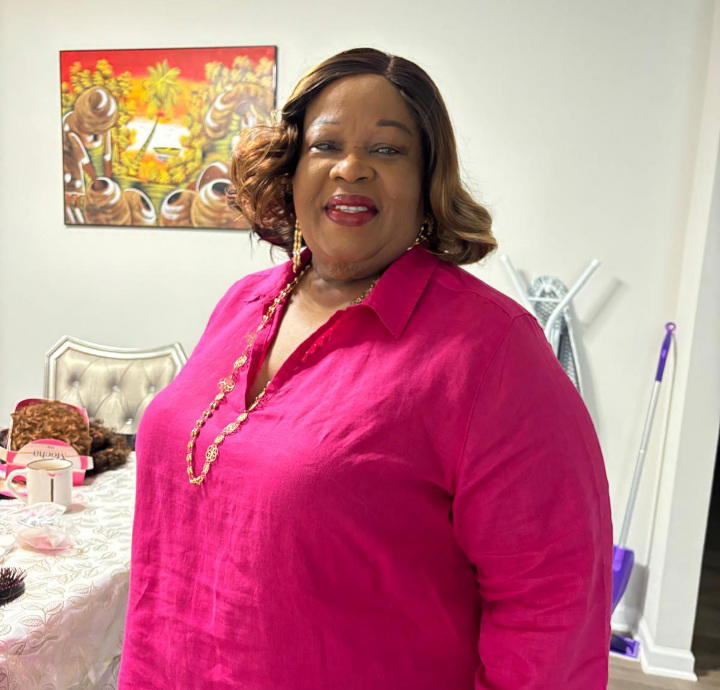
Mrs. Olajumoke Onimole represents this food diplomacy in action. Born on Lagos Island to parents from Ikorodu, she has spent the last 42 years transforming a piece of Nigerian cultural heritage into a thriving American business venture. Her story challenges the narrative that Nigeria’s loss of talent to Western countries only depletes the nation’s resources.
“Every time we serve pounded yam or properly prepared efo riro to an American customer, we’re extending Nigeria’s influence,” says Onimole, whose restaurant has become a cultural embassy of sorts in her adopted American city. “This isn’t just about feeding people; it’s about preserving and promoting our culture abroad.”
The exodus of skilled professionals from Nigeria has been a source of national concern, with the Nigerian Medical Association reporting that over 5,000 doctors left the country in recent years. However, Onimole’s story highlights how Nigeria’s diaspora communities are creating unexpected opportunities for cultural preservation and economic growth.
“When I left Nigeria 42 years ago, our country had a different set of challenges. Today, young Nigerians leaving the country need to understand that wherever they land, they carry our culture with them. It’s not just about survival; it’s about creating something meaningful that connects both worlds.”
For Onimole, the journey from Nigerian national to American restaurateur wasn’t part of an initial plan. After arriving in America, she spent years working various jobs while maintaining strong ties to her local Nigerian community. The inspiration to open a restaurant came through prayer and observation of her community’s needs.
“I saw how our people yearned for authentic Nigerian flavours, not just the adapted versions available in some African restaurants,” she explains. “But more than that, they needed a place that felt like home, where they could speak their native languages and feel completely comfortable being themselves.”
Starting with personal savings and support from her church community, Onimole ventured into the restaurant business with little industry experience but abundant faith and determination. Her location choice was strategic – a neighbourhood with a significant African population that could serve as her initial customer base.
The impact of her enterprise extends beyond mere commerce. Her restaurant serves as a gathering point for both homesick Nigerians and curious Americans, creating a space where cultural exchange happens naturally over plates of jollof rice and fried plantain. This cultural diplomacy through food has helped challenge stereotypes and broaden Americans’ understanding of Nigeria beyond the usual headlines.
“When customers ask about our pepper soup or why we eat fufu with our hands, it opens up wonderful conversations about Nigerian traditions and customs,” Onimole says. “Many Americans are surprised to learn about the sophistication of Nigerian cuisine and the cultural significance behind certain dishes.”
The restaurant’s interior reflects this educational mission. Walls adorned with traditional Nigerian artwork and photographs tell stories of the country’s rich cultural heritage. Information cards discretely placed on tables explain the origins and significance of various dishes, turning each dining experience into a cultural learning opportunity.
Perhaps most significantly, Onimole’s success has created unexpected economic opportunities back in Nigeria. She sources specific ingredients directly from Nigerian suppliers, contributing to the home economy in her own way. “We import special ingredients, spices, and even some cooking utensils from Nigeria,” she explains. “This way, our success here also supports businesses back home.”
The business has also become a training ground for newly arrived Nigerian immigrants, helping them adapt to American work culture while maintaining their cultural identity. Onimole has developed an informal mentorship programme, guiding other Nigerian entrepreneurs through the complexities of American business regulations and market dynamics.
She said, “Many of our staff members have gone on to start their own businesses. We’re creating a network of Nigerian-American entrepreneurs who understand both worlds and can help others succeed.”
One of the biggest challenges Onimole faced was maintaining authentic Nigerian flavours while adapting to American palates and health regulations. She worked closely with local health authorities to ensure her traditional cooking methods met U.S. standards without compromising taste.
“We had to make some adjustments, but we never sacrificed authenticity,” she insists. “For instance, we found ways to reduce oil content while maintaining the rich flavours our customers expect. It’s about innovation while respecting tradition.”
The restaurant’s menu reflects this balance, offering both traditional Nigerian dishes and slightly adapted versions that appeal to a broader American audience. However, Onimole is strict about maintaining certain standards – her pounded yam is always made fresh, never from powder, and her egusi soup contains all the traditional ingredients.
Inside her restaurant, the atmosphere buzzes with a mixture of English, Yoruba, Igbo, and other Nigerian languages. Regular customers include not just Nigerians but also Americans, Europeans, and people from various African countries, all drawn by the authentic flavours and welcoming atmosphere.
“Food brings people together in a way that nothing else can,” Onimole said. “When people share a meal, they share stories, and through these stories, they begin to understand each other better.”
The restaurant hosts regular cultural events, from Nigerian Independence Day celebrations to educational programmes about Nigerian cuisine and culture. These events have become popular with local schools and cultural organisations.
In the comingyears, Mrs Onimole sees her role evolving beyond restaurateur to cultural ambassador and mentor. She’s actively working to create a replicable business model that other Nigerian entrepreneurs can follow.
“The future of Nigeria isn’t just within its borders. It’s also in how we, the diaspora, represent and share our culture with the world. Every plate of food we serve is a small act of diplomacy, every satisfied customer becomes a friend of Nigeria,” she said.
Her success has inspired others in the Nigerian diaspora to explore similar ventures, leading to a growing network of Nigerian-owned businesses across America. These establishments serve as cultural outposts, preserving and promoting Nigerian heritage while creating economic opportunities both in America and back home.
“What we’re doing here is showing that Nigeria’s influence can grow even when its people leave,” she says. “Every successful Nigerian business abroad becomes an ambassador for our culture and values.”
Stories like Onimole’s suggest that the diaspora’s influence might be creating unexpected opportunities for cultural preservation and national pride. Through the universal language of food, she’s showing how brain drain can transform into a different kind of gain – one measured not just in profits, but in cultural understanding and national reputation.
“This isn’t just my success story. It’s a story about Nigeria’s resilience and adaptability. Wherever we go, we carry our culture with us, and we find ways to make it flourish. That’s the real Nigerian spirit – turning challenges into opportunities, not just for ourselves but for our community and our nation,” she said.
Disclaimer
Comments expressed here do not reflect the opinions of Vanguard newspapers or any employee thereof.