…Partners Lagos to grow Africa’s creative economy
By Nnamdi Ojiego and Cynthia Alo
The United Nations Development Programme (UNDP) has warned that Nigeria is losing billions of naira in potential revenue by exporting raw hides and skins rather than processing them into finished leather products, urging the country to strengthen local value addition to unlock jobs, wealth, and export earnings.
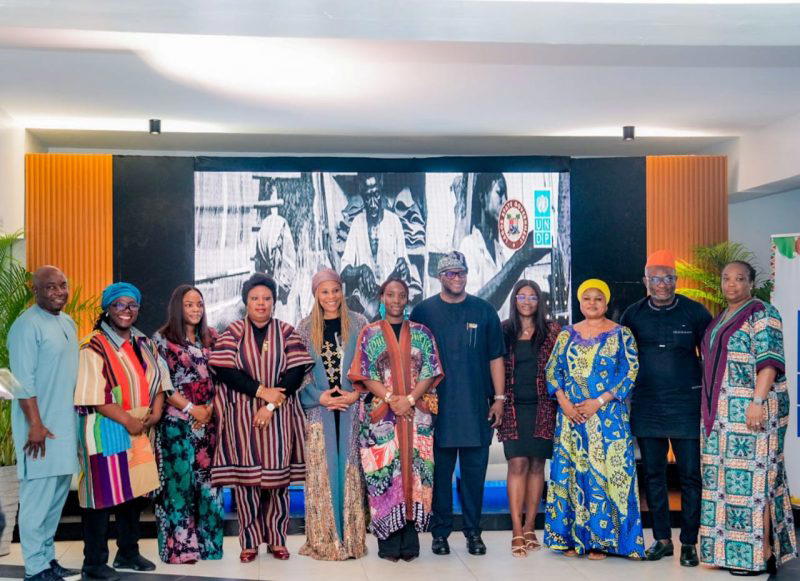
The global development agency made the call on Friday in Lagos during the two-day Fashion, Leather and Creative Enterprise Spotlight exhibition, where it also reaffirmed its partnership with the Lagos State Government to deepen Africa’s leather market and promote the continent’s creative economy.
The event, themed “Crafting Prosperity: Connecting African Creativity to Markets, Capital and Growth,” was held at the Oluremi Tinubu Industrial Leather Hub in Oshodi. It featured exhibitions, masterclasses, business-to-business matchmaking sessions and a marketplace for leather and fashion products, bringing together entrepreneurs, investors, buyers, policymakers and development partners.
Speaking at the event, the UNDP Resident Representative in Nigeria, Elsie Attafuah, said Nigeria remains one of Africa’s largest producers of hides and skins but continues to lose substantial economic value by exporting them in raw form.
According to her, the country is missing opportunities to earn significantly more from leather processing and the production of finished goods.
“Many producers ship raw hides abroad for processing, which means missing out on the higher value associated with tanning, finishing and creating finished leather goods,” she said.
“Nigeria is a massive player in the leather sector. But look at what happens next. While over 70 per cent of Africa’s raw hides are currently exported in an unprocessed form, investing in modern tanneries could double their value.
“Finished leather goods such as footwear, bags and apparel can command up to five times the price of raw materials in both domestic and international markets.”
Attafuah urged the Nigerian government and industry players to discourage the export of raw hides and instead develop local processing capacity that would strengthen domestic industries and create employment.
“The Nigerian government should stop exporting leather materials like hides and skins. This will transform raw hides into finished products. Ethiopia and Kenya are already showing the way. The rest of Africa, including Nigeria, should follow.
“Let’s protect local industries that struggle to secure hides. African leather industries are growing, but the question is whether African entrepreneurs are capturing these opportunities or whether others are capturing them for us.”
She noted that strengthening the leather value chain would not only improve industrial development but also increase foreign exchange earnings while making African businesses more competitive globally.
Also speaking, UNDP Africa Regional Director, Ahunna Eziakonwa, said the partnership with Lagos State forms part of a broader strategy to connect African businesses, stimulate intra-African trade and create sustainable jobs.
She said Africa must increasingly do business within the continent while removing barriers that prevent small businesses from growing.
“We are here to see how best we can connect our brothers and sisters across the continent to do business among ourselves. While doing that, we are creating jobs and raising revenue,” she said.
Eziakonwa identified inadequate electricity supply as one of the biggest obstacles confronting manufacturers and creative entrepreneurs.
“We need power because when there is power, there is business,” she said.
She explained that UNDP had previously partnered with the Small and Medium Enterprises Development Agency of Nigeria (SMEDAN) to restore electricity to production centres where expensive equipment had remained idle due to lack of power.
She also highlighted UNDP’s investment in innovation hubs across Nigeria to support digital transformation, intellectual property protection and access to financing for entrepreneurs.
According to her, the initiative is designed to help businesses scale up while improving access to markets and investment.
Representing Governor Babajide Sanwo-Olu, the Lagos State Commissioner for Wealth Creation and Employment, Akinyemi Bankole Ajigbotafe, said the state government is working with UNDP, the Bank of Industry and other development partners to position Lagos as Africa’s leading creative and manufacturing hub.
He described the Oluremi Tinubu Industrial Leather Hub as more than a fashion centre, saying it was established to connect entrepreneurs, investors and businesses across the leather value chain.
“This edifice is not just for fashion. It is a hub where different people can come together, transact, collaborate and grow their businesses,” he said.
He said the government is integrating leather production with fashion, tourism and other creative sectors to maximise economic opportunities.
“Our ministry remains committed to working alongside UNDP, the Bank of Industry and every partner in this room to ensure that Lagos becomes not just a city where creativity is born, but where it is funded, skilled and exported.”
Ajigbotafe urged investors to take advantage of the growing opportunities within Lagos’ creative economy, describing the exhibitors as evidence of the enormous value that exists within the sector.
Also addressing participants, the Lagos State Commissioner for Tourism, Arts and Culture, Adejoke Benson-Awoyinka, said the Sanwo-Olu administration has continued to position the creative economy as a major pillar of economic growth.
She said the state government remains committed to supporting initiatives that improve capacity, innovation, market access and strategic partnerships across the creative industry.
According to her, Lagos will continue to showcase local talents through festivals, exhibitions, trade missions and similar platforms that expose entrepreneurs to international opportunities.
“Our artisans possess remarkable skills, while our youthful population remains a limitless source of innovation,” she said.
“What is required now is improving quality, increasing production capacity, embracing technology and strengthening access to both local and international markets.”
The partnership between Lagos State and the UNDP is expected to strengthen Africa’s leather industry by encouraging local manufacturing, expanding market access, attracting investment and creating employment opportunities across the continent’s growing creative economy.
Disclaimer
Comments expressed here do not reflect the opinions of Vanguard newspapers or any employee thereof.