By Josephine Agbonkhese
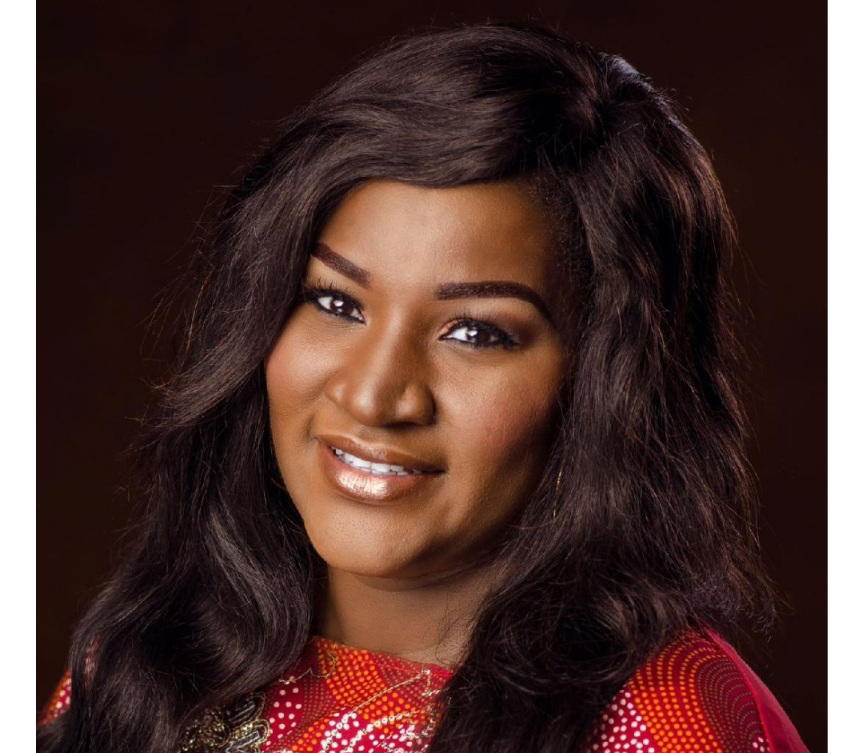
A seasoned professional whose career bridges healthcare, media, and communication, Funmi Eko Ezeh boasts of over a decade of experience in public health, nursing, and broadcast media.
Endowed with a unique ability to navigate complex health issues while utilising media platforms to engage, educate, and inspire diverse audiences, her commitment to improving health outcomes has seen her work in various clinical settings, providing direct care to individuals while gaining invaluable insight into the challenges facing patients and healthcare providers.
As the Founder of RedConnectNg, a social impact outfit that focuses on improving the healthcare of the less privileged through free clinical outreaches, advocacy and empowering healthcare workers, she has, over the years, skilfully transferred her skills from broadcast media to healthcare management. She speaks on her work in this interview.
What inspired your journey into healthcare as a seasoned media professional?
My journey into this multifaceted career has been driven by my passion for fostering meaningful change in the lives of others and ensuring access to essential information and services.
My educational journey began at the Federal Radio Corporation of Nigeria (FRCN), where I gained a foundational understanding of media and communication. My training there enabled me to work with some of Nigeria’s leading broadcasting and media establishments, such as Raypower/AIT, Rainbow FM, and Indicator Media. Through these platforms, I honed my communication skills, collaborated with industry professionals, and hosted and produced programs for major brands and organisations, including MTN and the Lagos State Government.
However, my curiosity and passion for societal impact led me to further my education in public health. I pursued a Master’s degree in Public Health at Imo State University, where I explored the intersections of health, society, and communication. This academic pursuit deepened my understanding of public health systems and the importance of equitably addressing the healthcare needs of communities.
As my career evolved, I made a pivotal decision to transition into nursing after relocating to the United States. This decision was fueled by a desire to make a more direct and tangible impact on the lives of individuals. Nursing provided me with a practical platform to combine my public health expertise with hands-on patient care. This transition was seamless due to my ability to connect with people, a skill I attribute to my broadcasting background.
The creation of my foundation, RedConnectNG, in 2014, was a natural extension of my combined passions for public health and communication.
Tell us about the organisation…
RedConnectNG’s mission is rooted in addressing the healthcare gaps faced by underserved communities in Nigeria. Over the years, we have provided free medical procedures to low-income Nigerians through initiatives like the Bola Eko Health Drive.
In recognition of my contributions to public health and media, I have received numerous accolades and opportunities. I am a member of the American Public Health Association, the American Heart Foundation, and Women in Management, Business, and Public Service (WIMBIZ). I was honoured with the “Salute of Excellence” award by Missouri City, Texas, and recognised by the American Caribbean Chamber of Commerce for my advocacy for global diaspora development.
As an author, I wrote ‘Everyday with Sickle Cell’, a comprehensive guide designed to help individuals living with sickle cell anemia manage their health and achieve stability. This publication reflects my commitment to addressing the needs of marginalised communities and creating resources that inspire resilience and informed decision-making.
How have you effectively combined nursing and broadcasting?
The fusion of nursing and broadcasting in my career is a testament to the versatility and interconnectedness of these fields. While they may seem distinct, both professions are fundamentally rooted in communication, connection, and advocacy.
In healthcare, effective communication is critical for delivering quality care. As a nurse, I am responsible for ensuring that patients understand their diagnoses, treatment plans, and the steps they need to take to improve their health. My broadcasting background has equipped me with the skills to convey complex information in a clear, concise, and relatable manner.
Listening is another essential aspect of effective healthcare delivery. By asking open-ended questions and creating a safe space for patients to share their experiences, I can uncover valuable insights that often lead to accurate diagnoses and effective treatment plans. Storytelling, in particular, is a powerful tool for building trust and fostering understanding. It allows patients to see themselves as active participants in their care, which increases engagement and adherence to treatment plans.
Broadcasting has also provided me with a platform to raise awareness about critical health issues. Through media campaigns and public speaking engagements, I have been able to share real-life stories, promote preventive measures, and dispel misinformation. This dual approach—combining the personal touch of nursing with the broad reach of broadcasting—has allowed me to make a meaningful impact on both individual and community health.
How are you improving health outcomes through RedConnectNGNg?
At RedConnectNG, our mission is rooted in the belief that knowledge is a powerful tool for transforming lives. One of our key initiatives is to simplify health messages, making them accessible and actionable for individuals and communities.
For example, promoting handwashing—a simple yet effective practice—can significantly reduce disease transmission. However, many people are unaware of its importance or do not practice it consistently. Through targeted campaigns and community outreach, we emphasize the importance of basic hygiene and preventive measures.
Our work extends beyond education. We organize monthly health visits to public spaces, providing free medical checkups, consultations, and treatments. These visits focus on managing chronic conditions like high blood pressure and diabetes, which are prevalent in many communities. By equipping individuals with practical health tips and resources, we empower them to take control of their health and lead healthier lives.
Through partnerships with platforms like HUDIBIA and Lagos State General Hospital, we provide real-time access to medical professionals and critical care services. Our initiatives aim to reduce healthcare disparities by addressing the root causes of preventable illnesses and empowering communities with the knowledge and tools they need to thrive.
What global health standards do you consider key and also champion?
The most impactful health messages are frequently the simplest. Take hand washing, for instance: it is an evidence-based practice scientifically proven to greatly decrease disease transmission. However, many individuals do not incorporate it into their routines due to insufficient awareness or reminders. This simple yet crucial action underscores the need for ongoing education and effective public health communication.
The media is essential in spreading these messages, ensuring they reach every community. Research indicates that hearing a message multiple times is necessary to influence behaviour, highlighting the importance of repetition and consistency.
Although advanced healthcare technologies hold significant value, it’s crucial to emphasize the fundamentals: everyday preventive measures, personal hygiene, and environmental cleanliness. These straightforward actions form the cornerstone of healthier societies and should be accessible to everyone, particularly in underserved areas.
What are some of the challenges you have faced in building your career as a health professional and advocate?
Embarking on a career in healthcare and advocacy has been marked by persistence, dedication, and overcoming obstacles. Central to my efforts through RedConnectNG—which has aided communities for over ten years—is the conviction that health starts with fundamental steps: simple yet transformative actions enabling individuals to take charge of their well-being. Our emphasis is on foundational health knowledge because we understand that when people have access to accurate information, they can make more informed decisions, prevent diseases, and manage conditions successfully.
Our motto, “Knowledge Saves Lives,” embodies our core principle. This idea is incredibly powerful but often overlooked by people who don’t realize that fundamental knowledge—such as how to monitor blood pressure or manage diabetes—can significantly impact their lives. By educating individuals about their health and encouraging simple, consistent changes in daily routines, many emergencies and hospital visits can be prevented. One of the greatest challenges we face is reaching these individuals with this life-changing information.
I’m especially proud of the Bola Eko Health Drive, a joint effort with HUDIBIA and Lagos State General Hospital. This initiative provides real-time access to healthcare professionals by organising monthly visits to public spaces such as markets. During these visits, we offer free medical checkups, on-the-spot consultations and treatments, along with support for covering medical bills and medications. Our focus is primarily on common yet critical conditions like high blood pressure and diabetes that are frequently overlooked until they become emergencies.
For instance, a large number of individuals with high blood pressure do not realize that minor adjustments can significantly lower their risks. We inform patients about straightforward habits such as getting up gradually in the morning to prevent dizziness or orthostatic hypertension. While these changes might appear insignificant, they can make a substantial difference. When someone implements this advice and observes positive outcomes, they frequently share it with family members, friends, and colleagues. This ripple effect demonstrates how education promotes awareness and enhances not just individual lives but whole communities.
Although we have achieved success, there are still many challenges to overcome. Engaging underserved communities where healthcare facilities and technology are limited demands creativity, persistence, and adequate resources. Encouraging people to adopt new health behaviours can be a gradual process that necessitates consistent follow-up. Additionally, securing funding poses another challenge; numerous initiatives rely on the generosity of partners and supporters since public health advocacy often does not yield immediate financial returns.
What needs to improve in Nigeria’s public health sector in the coming years?
Nigeria’s public health sector has enormous potential, yet it faces various systemic and cultural challenges that need to be addressed for significant progress in the future. While our culture is rich and beautiful, it can sometimes impede healthcare access. Some cultural practices support health objectives, but many are not aligned with them. These misalignments often hinder the adoption of healthier behaviours and highlight the necessity for ongoing education and awareness campaigns. Changing lifestyles takes time and repetition; therefore, people should frequently receive health messages alongside seeing concrete evidence that these recommendations truly work.
A major obstacle is the financial challenge that many Nigerians encounter. Adopting a healthier lifestyle often incurs higher costs, whether it’s obtaining nutritious food or buying prescribed medications. For numerous individuals, more affordable but less healthy options are typically their only feasible choices. This economic situation frequently compels people to return to unhealthy habits, hindering progress. To bridge this gap, we need strategies that make healthier choices both affordable and accessible for everyone, ensuring sustainable improvement.
Another crucial aspect is adherence to healthcare guidelines. Many individuals struggle to follow prescribed health regimens due to misinformation or a lack of trust in the healthcare system.
One of the most pressing challenges is reaching those who are underserved. Many Nigerians reside in rural areas that lack reliable electricity, modern technology, and functional healthcare facilities. These communities frequently fall behind, depending on outdated practices and facing preventable health issues. There is a need for customized interventions to bring healthcare directly to them, equipping these populations with the knowledge and resources necessary to make informed choices.
What’s your definition of success?
For me, success isn’t measured by material wealth but by the meaningful and emotional influence of my efforts. I feel fulfilled when I see the positive outcomes of my work: a patient’s relief, a family’s gratitude, or hope restored. This work enriches not only those I serve but also brings joy and purpose to my own family.
Growing up, what was your motivation?
During my childhood, my dreams and aspirations were heavily influenced by the vibrant and diverse environment where I was raised. As a “barrack girl,” I had the unique opportunity to experience the cultural richness of military life firsthand. My father, Bola Eko, served in the Nigerian Army, while my mother, Sabina Eko, worked as a civilian administrator with the Ministry of Defence. This upbringing exposed me to various perspectives and nurtured my passion for people, culture, and community.
From a young age, I was fascinated by the broadcasting world. Watching Eugenia Abu present the evening news with such grace and confidence inspired me to follow in her footsteps. She became my role model. My parents, on their part, greatly influenced my intellectual curiosity and passion for learning. Every Sunday, our family would gather to read newspapers and discuss worldwide events. My father’s emphasis on staying informed inspired me to look beyond my immediate surroundings. This tradition expanded my comprehension of global issues and fostered a strong sense of duty to make meaningful contributions to society.
As I grew older, my interests widened from communication to a deep-seated concern for health and wellness. I came to understand that health is the cornerstone of life; when it falters, everything else—including goals, relationships, and opportunities—grinds to a halt. This insight inspired me to pursue a career in public health, where I could merge my communication expertise with dedication toward tackling the health issues encountered by individuals and communities alike.
Are there key lessons you’ve learned in your years of practice?
Over the years, I’ve come to understand that humanity is profoundly interconnected. Regardless of our racial, cultural, or linguistic differences, we all share fundamental needs and have the same colour of blood—an emblem of our shared existence. This insight led to the creation of RedConnectNG, founded on the belief that enhancing health and dignity uplifts not only individuals but entire communities as well.
Investing in individuals’ health and dignity initiates a ripple effect that unlocks potential and promotes growth. Human capacity stands as one of our most valuable assets—renewable yet delicate—and it requires nurturing with respect and care. Each interaction presents a chance to uplift, heal, and inspire others.
Healthcare extends beyond merely treating illnesses; it involves connecting with the individual behind each condition to restore their dignity and potential. Effective collaboration is crucial for enhancing healthcare systems, and I am dedicated to partnering with others who share this vision.
The most significant lesson I’ve learned is that when we elevate one person, we elevate everyone. This shared humanity fuels my dedication to making a meaningful impact and fostering a world where healthcare and dignity are fundamental rights for all, not privileges for some.
Your advice for aspiring healthcare professionals…
Aspiring healthcare professionals need to cultivate empathy, resilience, strong communication skills and a deep commitment to lifelong learning. Given that the healthcare field is dynamic and continually evolving with new advancements in technology and research emerging regularly, staying informed and adaptable is essential. This approach ensures they can provide the highest standard of care while remaining effective in a profession that requires precision and continuous enhancement.
Disclaimer
Comments expressed here do not reflect the opinions of Vanguard newspapers or any employee thereof.