By Adeola Badru
IBADAN — The West African College of Physicians (WACP), Nigeria Chapter, has called for urgent reforms to Nigeria’s healthcare system, warning that failure to improve working conditions, funding and infrastructure could accelerate the migration of skilled medical professionals and further weaken healthcare delivery.
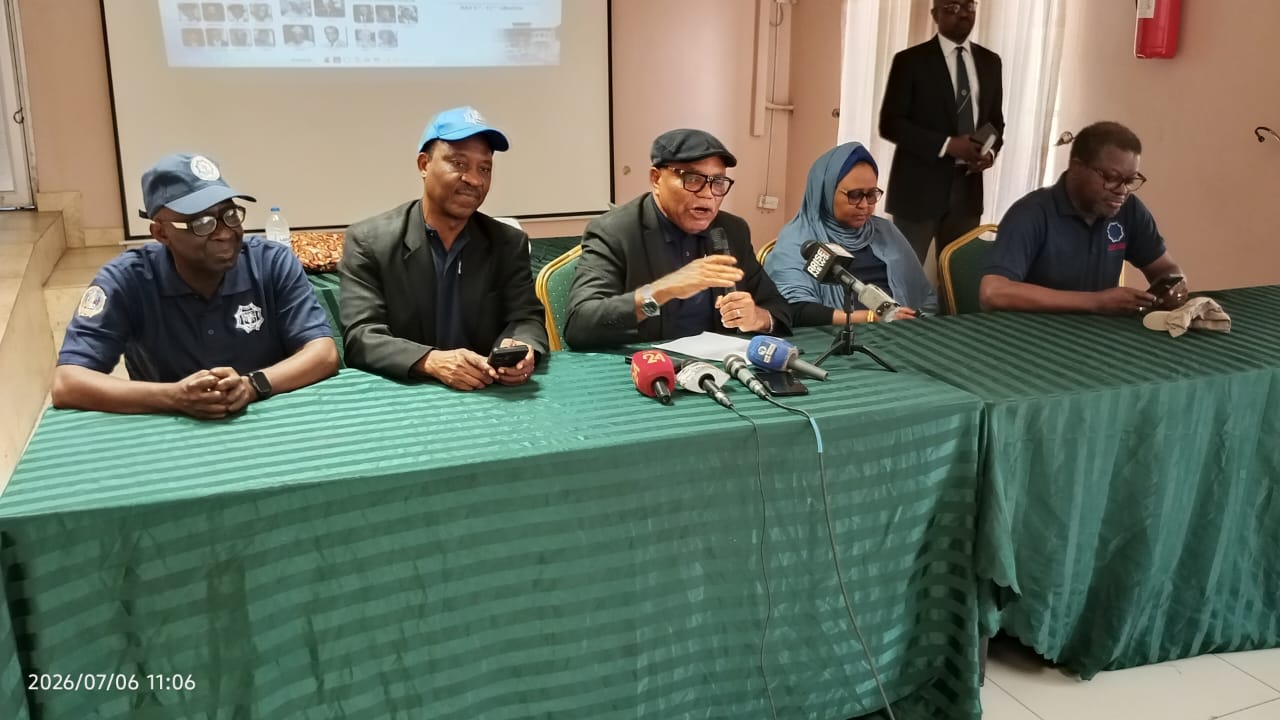
The appeal was made on Monday during a press conference at Theophilus Ogunlesi Hall, University of Ibadan, ahead of the 50th Annual General and Scientific Conference of the WACP Nigeria Chapter.
The briefing highlighted challenges facing the country’s health sector, including inadequate funding, workforce shortages, governance issues and the need for stronger collaboration to improve healthcare delivery.
Chairman of the Nigeria Chapter of WACP and Vice President of the College, Prof. Benjamin Uzochukwu, said addressing the country’s healthcare challenges requires comprehensive reforms rather than restrictive policies aimed at limiting the movement of health professionals.
He said while artificial intelligence is becoming increasingly valuable in medical practice, particularly in diagnosis, it cannot replace the human judgement and empathy required in patient care.
“In our clinical practice, we have found that artificial intelligence is very helpful, particularly in diagnosis. However, when it comes to management, the human element is missing,” he said.
According to him, empathy remains an essential component of healthcare delivery, noting that technology cannot replace the personal interaction between doctors and patients.
Prof. Uzochukwu expressed concern over the continued migration of healthcare workers, saying the loss of experienced specialists has placed additional pressure on Nigeria’s health system.
He argued that improving remuneration, working conditions and career opportunities would be more effective than policies designed to discourage doctors from seeking training or employment abroad.
“To curb brain drain, we must ensure that what we have within the country is sufficient, of high quality, and offers appropriate remuneration to sustain the health system,” he said.
He also called for stronger investment across primary, secondary and tertiary healthcare to improve access to quality services and strengthen public confidence in the health system.
Prof. Uzochukwu stressed the importance of translating research findings into practical health policies through collaboration among researchers, policymakers, communities and the media.
He cited a mental health programme evaluation conducted in Ibadan, supported by the International Development Research Centre (IDRC) of Canada, as an example of how stakeholder engagement can influence policy development.
On health financing, he urged the government to increase budgetary allocation to the sector, noting that current spending remains below the 15 per cent target agreed under the Abuja Declaration.
He also warned of the growing burden of non-communicable diseases and the need for greater preparedness against future disease outbreaks.
“The next pandemic is not a matter of if but when,” he said.
Despite the challenges, Uzochukwu said the West African College of Physicians has remained committed to advancing specialist medical education and healthcare delivery since its establishment in 1976.
He said the College has trained 4,654 Fellows across Community Health, Family Medicine, Internal Medicine, Laboratory Medicine, Paediatrics and Psychiatry, many of whom now serve as consultants, researchers, educators and health administrators across West Africa.
According to him, the College is also expanding the use of digital health technologies, including telemedicine, health informatics and artificial intelligence, while emphasising their ethical application in medical practice.
The week-long conference, themed “Building Bridges, Forging Resilience and Partnership in Health,” is scheduled to hold from July 5 to 11 at the University of Ibadan International Conference Centre.
Organisers said the event will bring together more than 400 Fellows, members and international collaborators to discuss the future of specialist medical training and healthcare delivery in West Africa.
Activities marking the conference include a community medical outreach expected to provide free screening and treatment for about 500 residents of Kasumu Ajia and neighbouring communities for conditions such as malaria, hypertension, diabetes, dental diseases, refractive eye problems and selected surgical conditions.
Disclaimer
Comments expressed here do not reflect the opinions of Vanguard newspapers or any employee thereof.