File image
By Sola Ogundipe
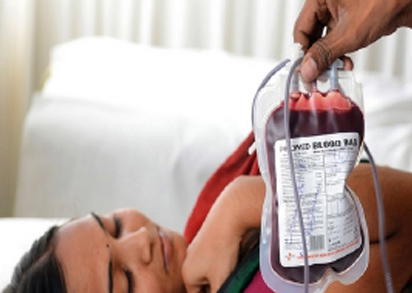
TODAY is World Blood Donor Day. It is a day in which people are encouraged to support voluntary, unpaid blood donations in order to ensure a reliable supply of safe blood to patients who require blood transfusion.The theme for this year as provided by the World Health Organisation is “Blood connects us all”, with the slogan “Share life, give blood”.

Voluntary blood donation is a healthy habit
Many people are afraid to donate blood for reasons varying from worry about pain to contracting a disease. However, donating blood is safe thanks to the many precautions in place, so there is no reason to fear giving blood. If you follow the few simple steps below, you will be as prepared as possible to give blood.
You must be eligible. You will only be able to give blood only if you are healthy, fit, and not suffering from a current illness. You cannot donate blood if you have a cold, a cough, a virus, an upset stomach, or are pregnant. Certain prescribed medications, such as antibiotics, can make you ineligible to donate blood.
Also you must weigh at least 50 kg and be at least 18 years old. You can only donate blood every 56 days. If you have donated blood more recently than that, then you are not eligible again.
Eat iron-rich foods: Blood production requires iron, so you should eat iron-rich foods for two weeks before you donate. This will help you have strong blood for donation and help you better recuperate after your donation. Iron-rich foods include spinach, whole grains, fish, poultry, beans, meat, eggs, and beef. Boost your vitamin C levels by consuming citrus fruit like oranges and grapes or take vitamin C supplements.
Drink plenty of water: To prepare your body for the loss of blood, it is recommended you drink a lot of water in the 24 hours leading to the donation time, especially when it’s warm. If you are donating plasma or platelets, drink four to six 8-ounce glasses of fluids two to three hours before your appointment.
Get a good night’s rest: Before you donate blood, you should have proper sleep. This will help you feel better and more alert which will help reduce the risk of any adverse reactions to the process.
Eat three hours before your donation: Never give blood if you have not eaten that day. Eating will keep your blood sugar levels stable.
You shouldn’t eat heavily. Avoid fatty foods. If you are donating early, eat something light such as cornflakes or bread. If you are giving blood near the middle of the day, have a light lunch. Don’t eat immediately before your appointment.
Avoid certain activities: You should not take aspirin, smoke or take alcohol within 24 hours leading up to your appointment. You should also not chew gum, mints, or candy.
Disclaimer
Comments expressed here do not reflect the opinions of Vanguard newspapers or any employee thereof.