
No further devaluation of the Naira, CBN replies Sanusi
The Central Bank of Nigeria (CBN) yesterday dismissed the call for further devaluation by the Emir of Kano, and immediate past Governor of the bank, Mallam Muhammad Sanusi II, saying there would be no further devaluation of the naira.


Sanusi-led CBN lacks corporate governance — FRC
The Central Bank of Nigeria under the leadership of Lamido Sanusi was accused of lack of corporate governance by the Financial Reporting Council in its report to the President on the CBN.

CBN stinks as FRC open lid on financial malpractices, corruption
The Financial Council audit report on the Central Bank of Nigeria which led to the suspension of Sanusi Lamido Sanusi from office accused the apex bank management of several financial practices that border on fraud. It said that there is a provision for “Facility Management of N7.034 billion in 2012; N5.751 billion in 2011.
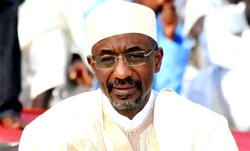
Jonathan suspends Lamido Sanusi as CBN gov
President Jonathan has announced the suspension of the Central Bank of Nigeria, Mallam Sanusi Lamido Sanusi
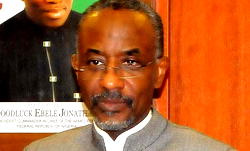
Foreign exchange: CBN and the painful lesson of history
It was a very familiar road with a familiar destination which the Lamido Sanusi led Central Bank of Nigeria chose to embark on.

Foreign portfolio investors withdraw $12.8bn in 2013
Foreign portfolio investors withdrew $12.8 billion from the economy last year, even as the nation’s external reserves maintained it downward trend last week.
Difference in exchange rates caused by restrictions in forex supply—ABCON President
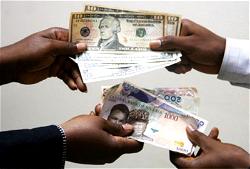
The difference (margin) between the official exchange rate and the parallel market exchange rate has always been a challenge in the foreign exchange market. In 2006, and for the first time, the Central Bank of Nigeria, CBN, succeeded in eliminating this gap, by incorporating bureaux de change to access the official foreign exchange, which is sold to end-users with regulated margin.
YCE wants Jonathan to compensate S/W with CBN governor’s position
Yoruba Council of Elders has called on President Goodluck Jonathan to compensate the South West with position of the governor of the Central Bank of Nigeria

CBN invests N6.1bn in ABU
The Central Bank of Nigeria, CBN is investing about N6.1 billion in the Ahmadu Bello University, ABU, Zaria, the Vice Chancellor of the institution, Prof. Pustapha Abdulahi has said.
CBN predicts bright economic future for Nigeria in 2014
The Central Bank of Nigeria, CBN, has said that with commitment to macroeconomic and financial system stability, Nigeria was likely to evolve as a preferred destination of choice for investments in 2014.

The Blessing of Oil : A peculiar mess
Our parlous economic predicament is generally regarded as a “resource curse”, a phenomenon, which the free encyclopedia defines as a paradox of plenty, in which countries with abundant revenue from mineral resources show less economic growth with a beleaguered manufacturing sector when compared with other countries with less resource endowments.