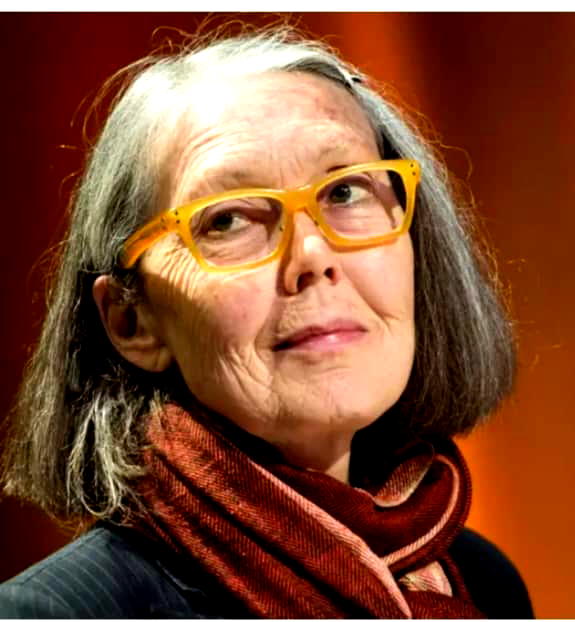
Canadian poet Anne Carson wins 2026 Nobel Prize in Literature
By Prisca Sam-Duru STOCKHOLM — Canadian poet, essayist and translator Anne Carson has won the 2026 Nobel Prize in Literature. Carson, 76, was honoured “for her bold and inventive oeuvre that, in playful dialogue with the classical tradition, has created new forms for contemporary literature,” the Swedish Academy said on Thursday. The prize was announced […]



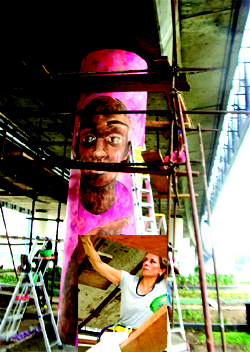
Polly Alakija: painting women on 50 pillars for Lagos @ 50
Do you think Picaso painted because he wanted to make money…? If you are an artist and you produce your best you will have the people investing in it
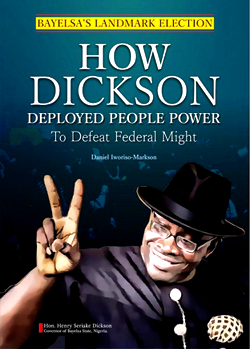
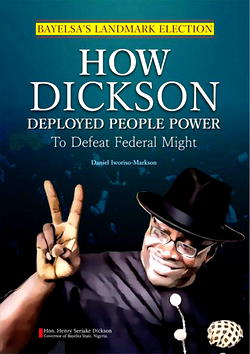
How Dickson survived federal might en route to govt house
Politics as a game is supposed to be played in a friendly way, but the tendency to win elections at all costs better known as “do or die” attitude of today’s politicians has turned it to a great threat to Nigeria’s democracy.
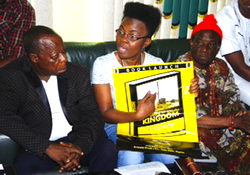
Unraveling histories, lineage and heritage of Ubulu kingdom
The Story of Ubulu Kingdom: A Historical Documentary of The People of Ubulu, written by Esther Nwogwonuwe Wright, is one historical masterpiece that has sparked off discussions and debates about the origin and identity of Ubulu kingdom in Aniocha South, Delta State, Nigeria.
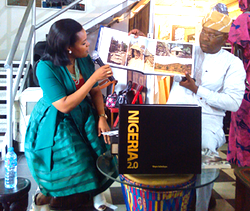
Adedayo’s Nigeria 2.0 explores hidden rich culture
It was indeed another excursion into the unknown as guest were treated to the rich cultural heritage sites during the public presentation of Dayo Adedayo’s new book entitled Nigeria 2.0, the first indigenous photographs and documentation of Nigeria’s cultural and historical artefacts and sites.
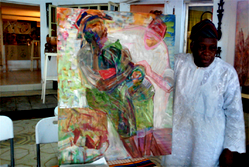
Pa Fasuyi, 82, still painting
One good thing about Pa Timothy Adebanjo Fasuyi is that even at 82, he is full of life and still painting