
Hajja Bintu Konto: Meet Labour Party’s vice presidential candidate for 2027 election
Hajja Bintu Konto's impressive record of service, particularly in conflict-affected communities across Northern Nigeria, has earned her respect

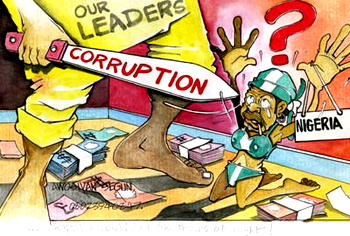







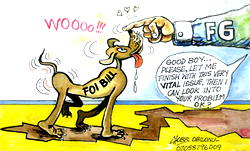
FREEDOM OF INFORMATION: Seeds of hope, harvests of despair
OXFORD University is in Oxfordshire which shares a common border with the Cotswold arguably the most picturesque and scenic part of England.

Towards an Igbo governor of Lagos State
THE year was 1965. I was an innocent starry-eyed 13 year-old and Nigeria was in turmoil. It was the era of the “wetie,” when the houses of politicians and key public-figures were burnt down in the brouhaha that was then Western Nigeria.
An ex-governor’s help runs deep
Many people may not be happy with the achievements of Chief Lucky Igbinedion while he was governor of Edo State, but there are thousands of persons whose lives he has touched through charity. Since he left office in 2007, apart from attending to his businesses, the former governor has been busy giving help to the helpless in different orphanage homes in Edo State.
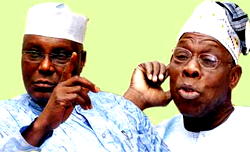
The story of Olusegun Obasanjo and Atiku Abubakar
This is the story of how former President Matthew Okikiolakan Aremu Olusegun Obasanjo and former Vice President, Turaki Atiku Abubakar, first met, and how their relationship blossomed before nose-diving over political ambition.
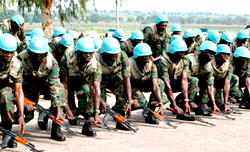
90 days of emergency Rule: How Special Forces reclaimed Nigerian from terrorists
But for the May 14 declaration of a state of emergency in Borno, Yobe and Adamawa states by President Goodluck Jonathan and the deployment of special forces of the armed forces, the police and the Department of state security to quell what clearly was an attempt to breach the territorial integrity of the nation, Nigeria would not have been one entity today.