
Nigeria’s fertiliser use shortfall
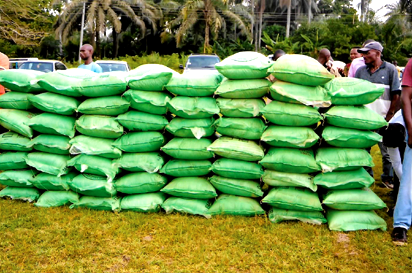
Nigeria’s fertiliser paradox is becoming harder to ignore. The country now possesses fertiliser production capacity, yet farmers are applying nowhere near enough nutrients to unlock its agricultural potential. The Federal Ministry of Agriculture and Food Security says national fertiliser consumption is about 18.6 kilogrammes per hectare, against the 50kg/ha benchmark associated with the 2006 Abuja […]












Our youth and the codeine epidemic
Codeine has joined the ranks of other toxic drugs such as tramadol, the sniffing of glues and pit toilets, and queer admixtures of toxic substances (which in urban slang is referred to as “science student”) to create the picture of a drug abuse time-bomb waiting to explode.
Issues around minimum wage demands
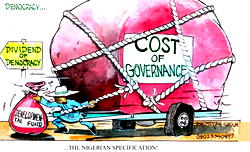
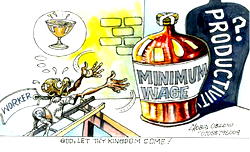
Complicating the workers’ minimum wage conundrum is the fact that the Federal and state governments spend about 70 per cent of their annual budgets on overheads, including salaries and pensions, leaving very little for development
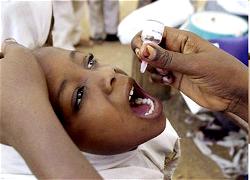
Getting childhood vaccination back on track
Currently, according to UNICEF, 4.3 million children in Nigeria still miss out on vaccinations every year. Data from the recent Multiple Indicator Cluster Survey, MICS conducted by the Federal Government in 2016/17 shows that only one in four children in the country receives all the recommended vaccines at the appropriate time.

Release report of Kano child voters probe
NIGERIANS are still waiting for the report of the probe of alleged child voters which sparked nationwide outrage after the Kano State local government elections were concluded on Saturday, February 11, 2018. The 44 local councils were swept by the ruling All Progressives Congress, APC.

Managing the Port Harcourt black soot
They have made life less abundant for the people because farmlands, fishing resources and even sources of drinkable water have been severely polluted.