
When adult petulance becomes a campaign strategy, by Rotimi Fasan
Considering the reaction of the main opposition parties’ leaders to the Independence Day speech of President Bola Tinubu, I think I’m beginning to see the lineaments of the campaign for the 2027 general election. The shape the campaigns would take is getting clear. This is why I’m returning once again to a theme I have […]



On the cattle colonies
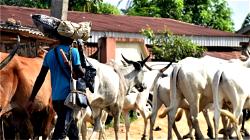
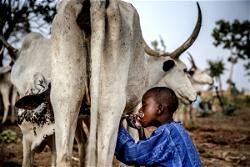
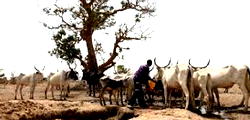
GOVERNMENT spokespersons in Abuja have denied reports that the Muhammadu Buhari administration plans to establish ruga, so-called cattle colonies, in the 36 states of our peculiar federation. The colonies are Abuja’s cure-all response to herdsmen-farmers clash.
What is Abuja’s answer to insecurity?
IT is becoming too difficult if not impossible to know how the Muhammadu Buhari administration intend to address the question of insecurity across the country.

Buhari, it is progress we need not movement
THE cat and mouse game between the Nigerian military and Boko Haram is not about to end. While there were reports last week that the murderous insurgents had once again overrun a military base and the group provided images of its onslaught against the military, the Nigerian Army downplayed the insurgents’ claim, saying it was mere propaganda. Propaganda is a potent weapon of war employed by different sides to give them advantage over their opponents. It is clear that the extremist Boko Haram has been resorting to propaganda in its war against the Nigerian state. But so has the Nigerian military as a whole to say nothing of the Army.
Muhammadu Buhari is starting out on a scary note
PERHAPS by the time you are reading this, President Muhammadu Buhari would have made key appointments, especially of ministers, into his administration.

As Buhari commences his second term in office
TODAY’s inauguration of President Muhammadu Buhari for a second four-year term in office offers Nigerians an opportunity to take stock of the administration’s performance since 2015. It looks like yesterday but it is actually four years ago today that Buhari took the oath of office in Eagle’s Square in Abuja. It was on that occasion that he uttered those (in)famous words: “I belong to nobody. I belong to everybody.”