…Africa is moving from raw material exports to industrial production, creating new investment
opportunities
…Dangote’s success in Nigeria is inspiring similar industrial ambitions in Tanzania
…Western investors must invest in Africa’s industrial growth or risk being left behind by rising resource nationalism.
Africa’s industrial transformation is accelerating, and Western investors face a strategic choice: become partners in the continent’s next phase of development or risk being shut out as resource nationalism returns to the fore.
Few companies illustrate Africa’s growing industrial base better than Dangote Industries. The success of Aliko Dangote’s refinery in Nigeria has demonstrated that large-scale industrial investment can generate substantial returns for investors while transforming national economies.
When the Dangote Refinery began operations in Nigeria in 2023, it fundamentally altered the country’s energy landscape. With a refining capacity of approximately 650,000 barrels of crude oil per day, the facility has allowed Nigeria to cut imports by more than 70 per cent. Lower fuel costs, in turn, have translated into cheaper transport and manufacturing, creating breathing room for businesses while strengthening Nigeria’s foreign exchange position. The refinery is also expected to become the largest initial public offering in African history when it lists on the Nigerian Exchange next September, underlining ongoing confidence in the project’s long-term value.
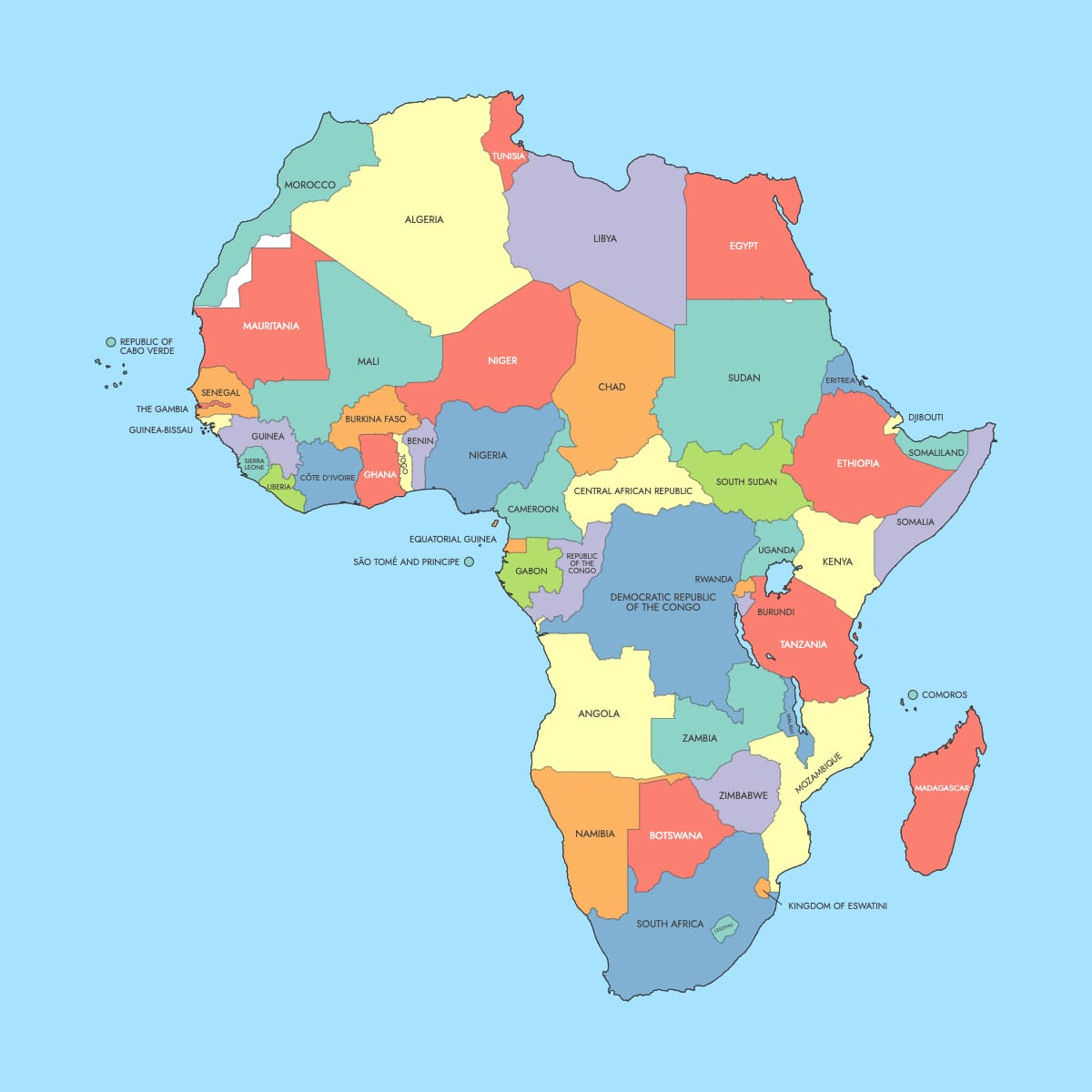
The refinery’s success has spurred other African countries to prioritise industrialisation and value addition. Tanzania, with its rich deposits of natural gas and critical minerals, has managed to turn the head of Africa’s richest man eastwards.
On 29 June, Tanzanian President Samia Suluhu Hassan met with Dangote to open formal negotiations on an investment package that could reshape Tanzania’s industrial base. The proposals include a major fertiliser complex, new power generation capacity, port infrastructure, and the possibility of an 812-kilometre transport corridor linking Mtwara with Mbamba Bay in southern Tanzania.
The government’s Directorate of Presidential Communications has reaffirmed its commitment to “strengthening partnerships with the private sector as part of efforts to mobilise productive investment, accelerate industrialisation, promote technology transfer, and create sustainable employment opportunities.” That commitment reflects a broader shift across the continent. Countries that once depended primarily on exporting crude oil, unprocessed minerals, or agricultural commodities are increasingly seeking to export refined fuels, processed minerals, fertiliser, and manufactured products instead.
African governments are increasingly focused not simply on extracting natural resources but on developing the skills, infrastructure, and processing capacity needed to capture more value domestically and create skilled employment.
For international investors, this creates both opportunity and risk.
Where governments and private capital work together, the benefits are shared. Investors gain access to growing markets with significant long-term demand, while host countries receive capital, technology transfer, infrastructure, employment, and enhanced industrial capacity.
The dangerous alternative is becoming increasingly visible elsewhere on the continent.
Some African governments are showing a greater willingness to intervene in commodity markets to maximise domestic value capture. Guinea has restricted gold exports, demanding that all gold be processed domestically before export as it seeks greater control over its mining sector. Similarly, the Democratic Republic of Congo has considered production quotas and export restrictions in the cobalt market to influence global prices and encourage downstream processing. These policies reflect a simmering subcurrent of resource nationalism: countries are becoming less willing to export raw materials without securing greater economic benefits at home.
For this reason, Western governments and companies face a strategic decision. They can continue to view Africa primarily as a supplier of raw materials, risking exclusion as industrial policies become more assertive, or they can participate in the continent’s industrialisation by investing in the infrastructure, processing facilities, energy projects, and manufacturing capacity that African governments increasingly prioritise.
The decision to engage will have significant implications for the West. While concerns about the impact of African industrialisation on domestic job markets are understandable, the cost of inaction is also high. If the West does not invest, it risks losing access to the resources on which it depends as resource nationalism intensifies. It must also consider the likelihood that Chinese companies will step in if Western firms hold back. In that scenario, the economic and resource benefits will flow more directly to China, while pressure on Western job markets will remain significant because Chinese producers can often compete at prices Western firms cannot match.
Tanzania and Nigeria offer compelling models. By combining political commitment with openness to private investment, they demonstrate that industrialisation need not come at the expense of foreign capital. Instead, they show how governments and investors can build long-term partnerships that deliver mutual prosperity.
With Africa’s industrial revolution well underway, the questions now are who will help finance it and who will benefit from the transformation.
Disclaimer
Comments expressed here do not reflect the opinions of Vanguard newspapers or any employee thereof.