By Nnasom David
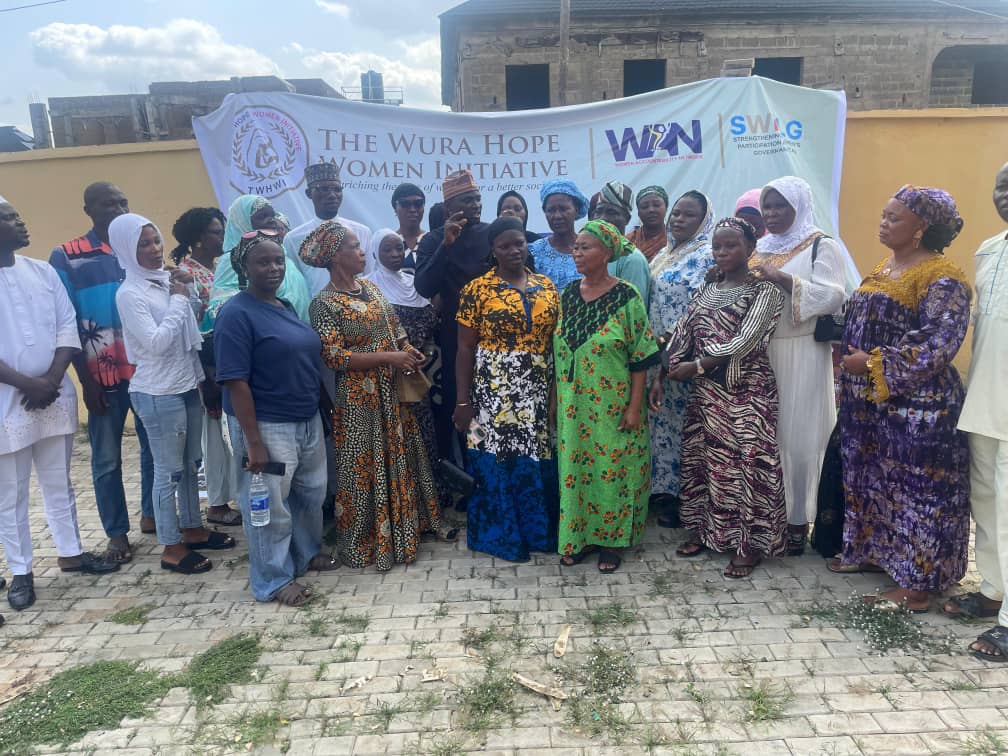
Women, youth leaders, students, and community stakeholders from over 10 Local Government Areas in Kwara State have identified major development challenges affecting their communities during a Community Accountability Lab (CAL) organised by The Wura Hope Women Initiative (WHWI).
The dialogue, held at the International Conference Centre, Kwara State University (KWASU), Malete, focused on strengthening citizen participation, accountability, and responsive governance at the grassroots level.
The event was organised under the Strengthening Women’s Participation in Local Governance (SWiLG) Project, implemented by WHWI with support from the Nigeria Youth Futures Fund (NYFF), a collaborative initiative of LEAP Africa, the MacArthur Foundation, and the Ford Foundation.
A key part of the programme was the Isunawa Community Voice and Priority Mapping Exercise, where participants highlighted pressing issues affecting their communities and suggested possible solutions.
Among the concerns raised were access to quality healthcare, education, youth unemployment, economic opportunities, infrastructure gaps, insecurity, public service delivery, and the need for greater inclusion of women in decision-making processes.
Facilitators at the event stressed the importance of accountability, active citizenship, and community involvement in achieving sustainable development and improved governance outcomes.
Participants were also introduced to Open Government principles and digital tools that support community needs assessment, citizen engagement, and documentation of development priorities through the Isunawa platform.
Speaking on the initiative, representatives of WHWI said the Community Accountability Lab was created to provide a platform where citizens can engage in constructive discussions on governance challenges and work towards solutions with relevant stakeholders.
Executive Director of WHWI, Rasheed Adeniyi Yusuf, described the dialogue as a significant step towards strengthening citizen voices and promoting inclusive governance across Kwara State.
He appreciated participants for their contributions and reaffirmed the organisation’s commitment to creating opportunities for women, youth, and communities to play active roles in governance processes.
Participants said the engagement improved their understanding of civic responsibility, accountability, and how citizens can contribute to positive change within their communities.
WHWI noted that outcomes from the dialogue would guide future engagements, advocacy activities, and community accountability initiatives across participating Local Government Areas.
Disclaimer
Comments expressed here do not reflect the opinions of Vanguard newspapers or any employee thereof.