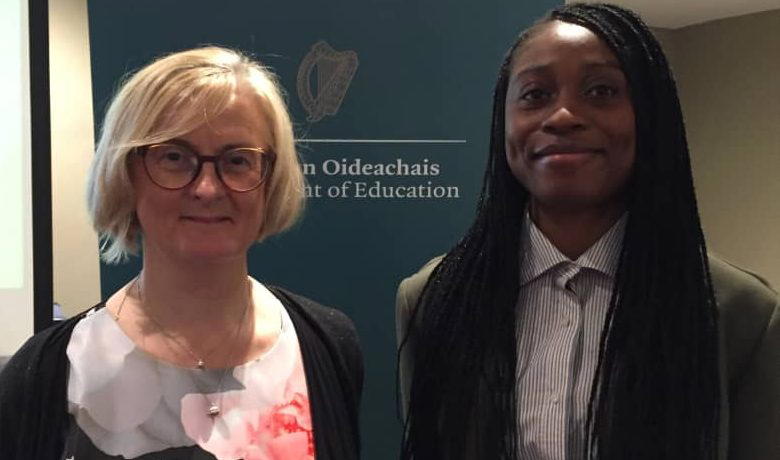
By Juliet Umeh
A youth development advocate, transformational leader, polymath and purpose expert, Chioma Ochulo, has stressed that quality education remains the most critical foundation for sustainable national transformation, urging stakeholders to intensify grassroots efforts to advance the United Nations Sustainable Development Goal 4 (SDG 4) on quality education across Nigeria.
Speaking on the importance of education in driving long-term development, Ochulo noted that history has consistently shown that countries that achieved significant economic growth and social progress first invested heavily in educating their citizens.
According to her, nations such as Singapore and South Korea built strong foundations for innovation, industrialisation and prosperity through deliberate investments in education, a lesson Nigeria must embrace if it hopes to achieve sustainable development.
“Whenever we discuss development in Nigeria, attention is often focused on infrastructure, politics and economic reforms. While these are important, one of the most powerful drivers of lasting change remains quality education,” she said.
Ochulo explained that experiences gained through participation in the United Nations Youth Association Platform (UNAYP), the School of Politics, Policy and Governance (SPPG), helped shape her understanding of education as a catalyst for leadership, opportunity and community transformation.
Reflecting on her involvement with UNAYP, she noted that awareness creation remains a critical tool for development, especially among young people who may not fully understand the link between education and future opportunities.
“Many young people are unaware of how closely education is connected to leadership, opportunity and community development. Creating awareness is often the first step toward creating meaningful change,” she stated.
She further highlighted lessons learned at SPPG, emphasising that sustainable development often begins at the grassroots level and should not be viewed solely as the responsibility of government.
“While government has a major role to play, communities and individuals also possess the power to drive meaningful development. Development should not be something we only expect from institutions; it should be something we actively contribute to,” she added.
Driven by this conviction, Ochulo has supported several grassroots education initiatives designed to bring conversations about learning, development and leadership directly to young people.
One such intervention involved collaboration with SWIP through Project Future 4Ward, a programme focused on equipping young people in underserved communities with relevant skills, exposure, opportunities and the mindset required to succeed.
Through school outreach engagements, students were introduced to the principles of SDG 4 and encouraged to view education beyond academic qualifications and employment prospects.
According to her, the initiative sought to help students understand education as a tool for empowerment, leadership development and nation-building.
“Our objective was simple: to help young people recognise that education can transform not only individual lives but entire communities,” she explained.
Ochulo called for increased investment in grassroots education programmes across the country, noting that initiatives such as school outreach campaigns, mentorship programmes, reading clubs, community learning centres and public libraries can significantly contribute to achieving SDG 4.
She also revealed a long-term ambition to establish a public library that would promote a reading culture, lifelong learning and personal development among young Nigerians.
“Whether through advocacy, partnerships, school engagements or future library projects, grassroots action remains one of the most effective ways to advance quality education in Nigeria,” she said.
Reaffirming the central role of education in national development, Ochulo urged policymakers, development partners, private-sector players and community leaders to prioritise investments that expand access to quality learning opportunities.
“If history has taught us anything, it is that every nation that transformed itself did one thing first: it educated its people. If Nigeria seeks meaningful and sustainable development, we must continue investing in education—not only through policy, but through grassroots action, one student, one school and one community at a time,” she added.
The call aligns with the United Nations Sustainable Development Goal 4, which seeks to ensure inclusive and equitable quality education and promote lifelong learning opportunities for all.
Disclaimer
Comments expressed here do not reflect the opinions of Vanguard newspapers or any employee thereof.