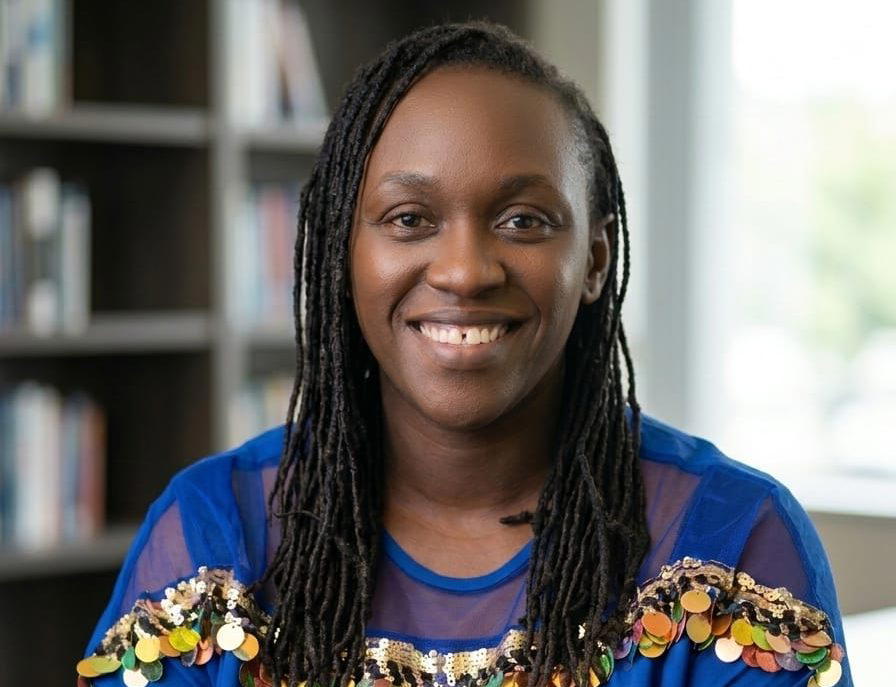
By Dr. Elizabeth Aanuoluwapo Ajayi
Every society eventually reveals what it truly values, not through its slogans or ceremonies, but through the way it treats those who have become dependent on its protection. In Nigeria, we pride ourselves on being a people who honour elders. Respect for age is woven into our greetings, our proverbs, and our public identity. Yet, beneath this cultural narrative lies a more uncomfortable truth.
Many older persons spend their later years not in dignity and security, but navigating neglect, financial exploitation, isolation, humiliation, and silence. We celebrate ageing in theory while failing older persons in practice.
As the world marks World Elder Abuse Awareness Day under the UN 2026 theme, Beyond Awareness: Making Elder Abuse Prevention Work, we must confront an important question. How much awareness do we really need before action becomes unavoidable? Elder abuse has been discussed in conferences, policy conversations, academic literature, and advocacy campaigns for years. The problem is no longer that we do not know it exists. The problem is that we have become comfortable acknowledging it without changing the conditions that allow it to thrive. In sub-Saharan Africa, there is chronic underreporting of elder abuse, which means the true figure is likely significantly higher than the WHO’s estimate of one in six older persons.
Part of the challenge is that elder abuse rarely resembles the dramatic scenarios we imagine. More often, it is subtle and ordinary. It takes six primary forms, and understanding each one is the first requirement of genuine prevention. Emotional and psychological abuse maybe is the older woman whose children discuss her housing arrangements, finances, and medical care in her presence without ever asking what she wants.
The older man whose opinion is dismissed before he finishes his sentence, in his own home, at a community meeting. Financial abuse may be the retired civil servant whose pension is controlled by relatives while he struggles to purchase medication. Or exploitation of limited digital literacy to redirect accounts or authorise transactions without an older person’s genuine understanding or consent. Neglect and abandonment may be the older parent living alone in a rural community whose health deteriorates because there is no transport to the nearest health facility and no support system for exhausted family caregivers. Physical abuse may be rough handling during personal care, or inappropriate restraint, or the administration of medication without consent to keep an older person sedated and “manageable”. Sexual abuse may be sexual exploitation of an older woman by her children or neighbours due to her dependency. Systemic and institutional abuse may be the older patient whose complaints are dismissed by healthcare professionals because pain and confusion have become expected companions of old age. These experiences seldom generate headlines, yet they diminish dignity and cause pains as much as more visible forms of abuse.
The contradiction is difficult to ignore. We invoke respect for elders as evidence of our moral values, but respect that exists only in language is little more than performance. Genuine respect requires that older persons retain agency over decisions affecting their lives. It demands transparency in the management of their finances, attentiveness to their health needs, and recognition that advancing age does not erase personhood. To speak of honouring elders while routinely excluding them from conversations about their own lives is to confuse reverence with paternalism.
Nigeria’s changing demographics make this conversation increasingly urgent. Advances in healthcare and improved life expectancy mean that more people are living into older years. This should be celebrated as evidence of social progress. Yet our systems remain largely unprepared for an ageing population. Geriatric services remain limited, social protection structures are inadequate, and conversations about ageing are often relegated to the margins of public policy. We continue to treat ageing as someone else’s concern, forgetting that growing old is the most universal of human aspirations. If we are fortunate, ageing is our collective future.
The consequences of elder abuse extend far beyond individual suffering. Families lose trust when older relatives are exploited or neglected by those they depend upon. Communities lose repositories of wisdom, memory, and continuity when older persons are pushed into invisibility. Children observing the treatment of ageing grandparents absorb lessons about what old age means and what obligations accompany it. They learn whether dependency deserves compassion or contempt. In this sense, elder abuse is not merely a private tragedy. It is a generational instruction that shapes how future societies will care for their own.
There are also profound economic implications that receive far less attention than they deserve. Preventable injuries, poorly managed chronic illnesses, mental health complications, caregiver burnout, and crisis interventions create costs borne by families and public systems alike. Ignoring elder abuse does not reduce these burdens. It merely shifts them until they emerge in more expensive and complicated forms. Nations that fail to invest in elder protection ultimately pay for that neglect through healthcare expenditure, reduced productivity, and weakened social cohesion.
Perhaps the greatest cost, however, is moral. A society’s character is tested by how it responds to those who possess the least power to demand accountability. Older persons who are frail, isolated, cognitively impaired, or financially dependent represent one of the clearest measures of that test. Too often, our response suggests that worth is tied to productivity, independence, and convenience. Once these diminish, patience becomes scarce, and protection becomes conditional.
Moving beyond awareness, therefore, requires more than annual observances and carefully crafted statements of concern. Families must recognise that love without accountability can become control, and that caregiving requires knowledge, transparency, and support. If you are managing an older person’s finances, they should know exactly what you are doing and have genuine input into decisions about their own resources. If you are providing care and struggling, seeking help is not a failure of love. It is the most responsible choice available to you. Healthcare institutions must embed dignity into every aspect of service delivery and equip professionals to identify and respond appropriately to signs of abuse. Religious and community leaders must use their influence to create safe pathways for disclosure rather than encouraging endurance in situations that demand intervention.
Policymakers must treat elder protection as a governance priority investment by strengthening legal frameworks, implementing accessible reporting mechanisms, , mandatory training for professionals working with older persons, and investing meaningfully in systems that support ageing populations.
Ultimately, the question before us is not whether older persons deserve protection. It is whether we are willing to reorder our priorities to provide it. The people whose labour built our institutions, whose sacrifices sustained families, and whose wisdom shaped communities should not spend their final decades negotiating for recognition of their humanity. Dignity cannot be reserved for the young, the productive, or the independent.
In my work as a gerontologist, I have come to believe that every season of human life carries meaning and deserves equal protection. The later years are not an afterthought in the human story. They are part of its fullness. When we fail older persons, we diminish not only their lives but our collective humanity.
Going beyond awareness means refusing to look away from the quiet harms that have become normalised around us. It means transforming concern into responsibility and cultural ideals into everyday practice. The people who carried us here deserve nothing less than to be seen, protected, and allowed to age with dignity.
Dr. Elizabeth Aanuoluwapo Ajayi, a Social and Educational Gerontologist, Senior Lecturer in Adult and Continuing Education Adekunle Ajasin University, Nigeria, and Postdoctoral Research Fellow at the University of Pretoria, South Africa.
Disclaimer
Comments expressed here do not reflect the opinions of Vanguard newspapers or any employee thereof.