By Godwin Oritse
Representatives of local and international organizations have reaffirmed their commitment to advancing community-led climate governance, adaptation, resilience building, and environmental action, with a strong focus on empowering those most affected by climate change.
The renewed commitment was announced during a high-level engagement organized by Connected Advocacy and Charger for Change Climate and Environmental Working Group. The event brought together key stakeholders to recommend strategies to strengthen the role of local communities in climate action and decision-making.
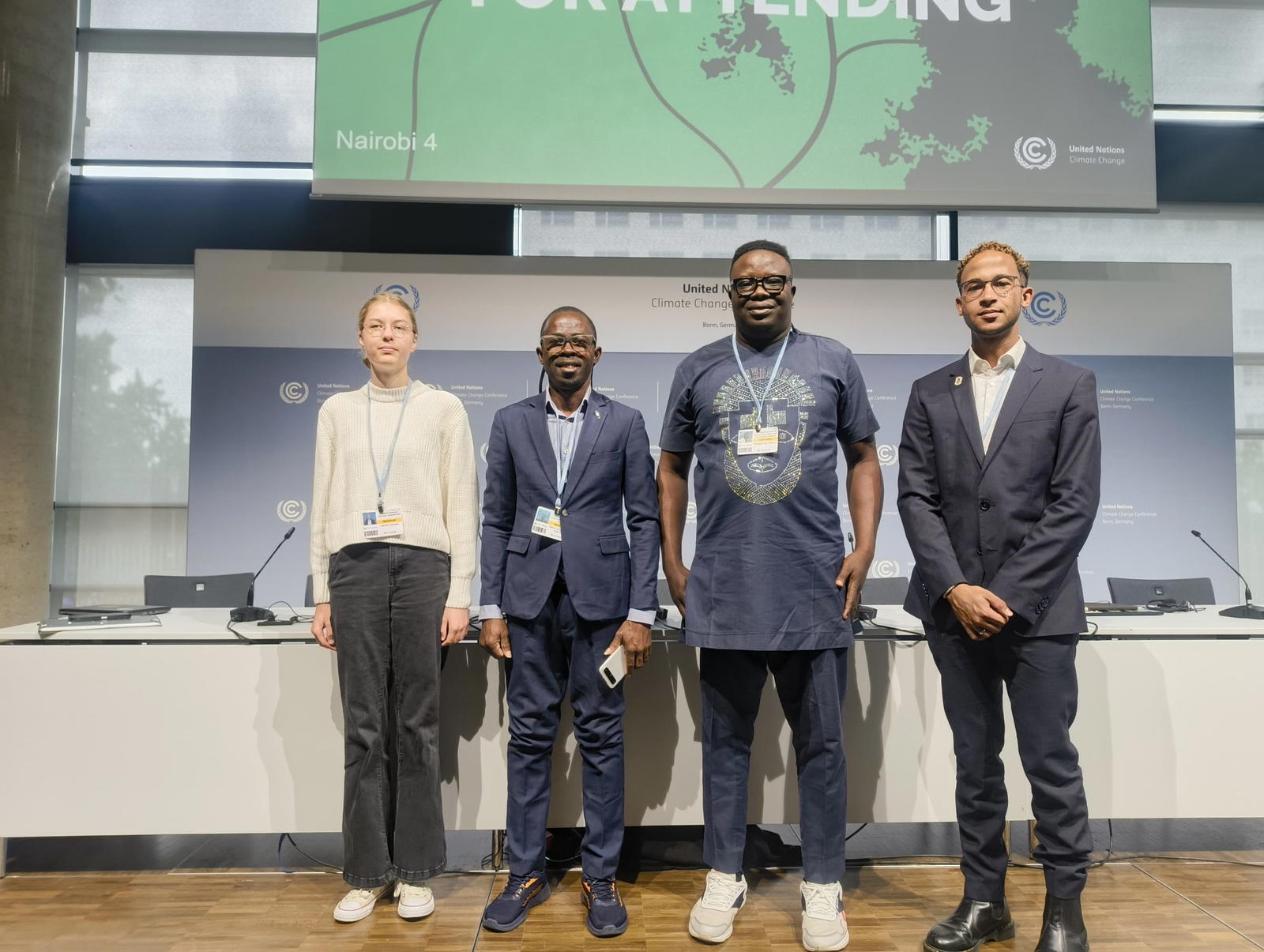
The meeting followed the official launch of the Charter 4 Change Climate and Environment Memorandum at the 64th Sessions of the Subsidiary Bodies (SB64), a key global climate forum.
According to Prince Israel Orekha, Executive Director, Connected Advocacy, the host said that the Memorandum represents a collective pledge by humanitarian, climate, and development organizations to deepen localization by recognizing local actors as equal partners in climate governance, financing, and implementation.
Orekha emphasized that sustainable climate-humanitarian solutions can only be achieved when communities on the frontlines of climate change are given greater ownership of policies and programmes designed to address environmental challenges.
He stressed the need for increased access to climate financing for local organizations and stronger collaboration among governments, development partners, and grassroots groups to build resilient communities capable of responding to the growing impacts of climate change.
The environmental expert called on all Parties and participants at SB64 to ensure that climate engagement, policy formulation, financing mechanisms, and adaptation planning reflect local priorities and address the realities faced by communities on the frontlines of climate and environmental crises.
He said:” Local communities must not be treated as mere stakeholders but as indispensable partners whose leadership is critical to the success of global climate action. Effective climate governance requires a shift from consultation to genuine collaboration, underlining the principle that “nothing about us without us.”
As part of the event, a multimedia presentation titled “Voices from the Ground”, a Connected Advocacy Short Video Series, highlighted the experiences of communities directly impacted by climate change and the need for their voices to shape policy decisions.
The presentation emphasized that while the climate crisis is experienced locally before it becomes a global challenge, many of the solutions already exist within affected communities. What is required, the stakeholders noted, is greater recognition, increased access to resources, trust, and meaningful partnerships.
Looking ahead to future climate negotiations, the participants urged governments, donors, and international institutions to move beyond symbolic engagement and embrace genuine power-sharing with local actors.
They maintained that building an inclusive, accountable, and resilient climate movement depends on placing the needs and experiences of frontline communities at the centre of climate action and decision-making.
Disclaimer
Comments expressed here do not reflect the opinions of Vanguard newspapers or any employee thereof.