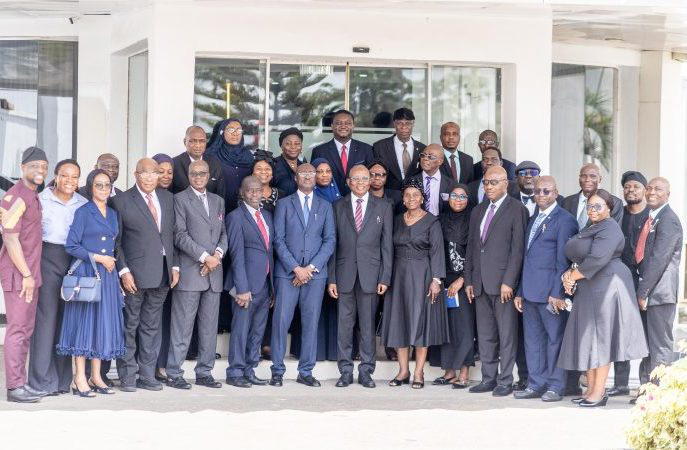
Judges at the training.
By Elizabeth Osayande
A global human rights organisation, WITNESS, has convened a landmark judicial workshop in Ilorin, Kwara State, to equip the Nigerian bench with the necessary skills to navigate the difficulties of Generative Artificial Intelligence and audio-visual evidence. The two-day session, which was the first of its kind in the country, brought together the full bench of the Kwara State High Court to prepare the judiciary for the influx of synthetic media and deepfakes expected ahead of the 2027 general elections.
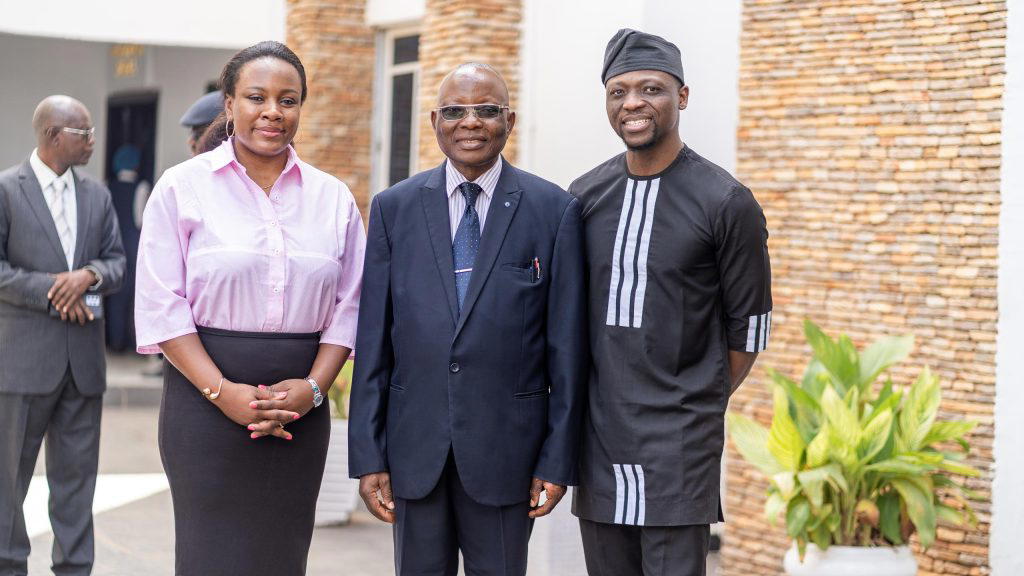
Chief Judge of Kwara State, Honourable Justice A.A. Adebara, while commending the initiative, noted that technology has become a permanent fixture in modern society with both positive and negative consequences. Justice Adebara stated that, “Artificial Intelligence has come to stay. It has created a lot of good around the world, but it has also had a lot of negative impact, particularly with the ease of manipulating audio-visual materials. As technology evolves, we must continue to find solutions to these damaging areas of Artificial Intelligence.”
International human rights lawyer, Dr. Adebayo Okeowo, who led the workshop, emphasised the urgency of building judicial capacity as Al-generated content becomes more prevalent in criminal investigations and human rights documentation. The lawyer demonstrated the ability of modern tools to create hyper-realistic images and addressed the current limitations within the Evidence Act of Nigeria in responding to these emerging technological threats.
Senior Africa Program Manager at WITNESS, Ms. Nkem Agunwa, cautioned the participants that no digital detection tool is completely infallible in the current era of synthetic media. The manager encouraged the judges and the seven magistrates in attendance to apply the SIFT method, which involves stopping to investigate sources and tracing claims, as a structured framework for evaluating the integrity of digital information brought before the court.
Managing Partner of OBLP, Mr. Olumide Babalola, provided insights into the responsible use of technology within court administration and how it can improve judicial efficiency. The legal practitioner urged the courts to engage local expert witnesses who can provide informed testimony on the veracity of audio-visual evidence, especially as powerful actors may attempt to weaponise Al to discredit authentic citizen video evidence.
The workshop, which held on April 14 and 15 , concluded with the 23 High Court Judges recommending that lawyers must exercise proper due diligence when tendering digital materials. The bench highlighted the importance of verifying the provenance and chain of custody of electronic evidence before it is admitted into judicial proceedings to protect the integrity of justice.
By strengthening judicial capacity at this juncture, the organisers aim to ensure that justice remains accessible to all Nigerians and that the courts can distinguish authentic evidence from synthetic fabrications during the upcoming electoral cycle. The intervention serves as a proactive measure to prevent the dismissal of critical evidence and ensure that victims of human rights abuses are not denied access to justice due to technical manipulation.
Disclaimer
Comments expressed here do not reflect the opinions of Vanguard newspapers or any employee thereof.