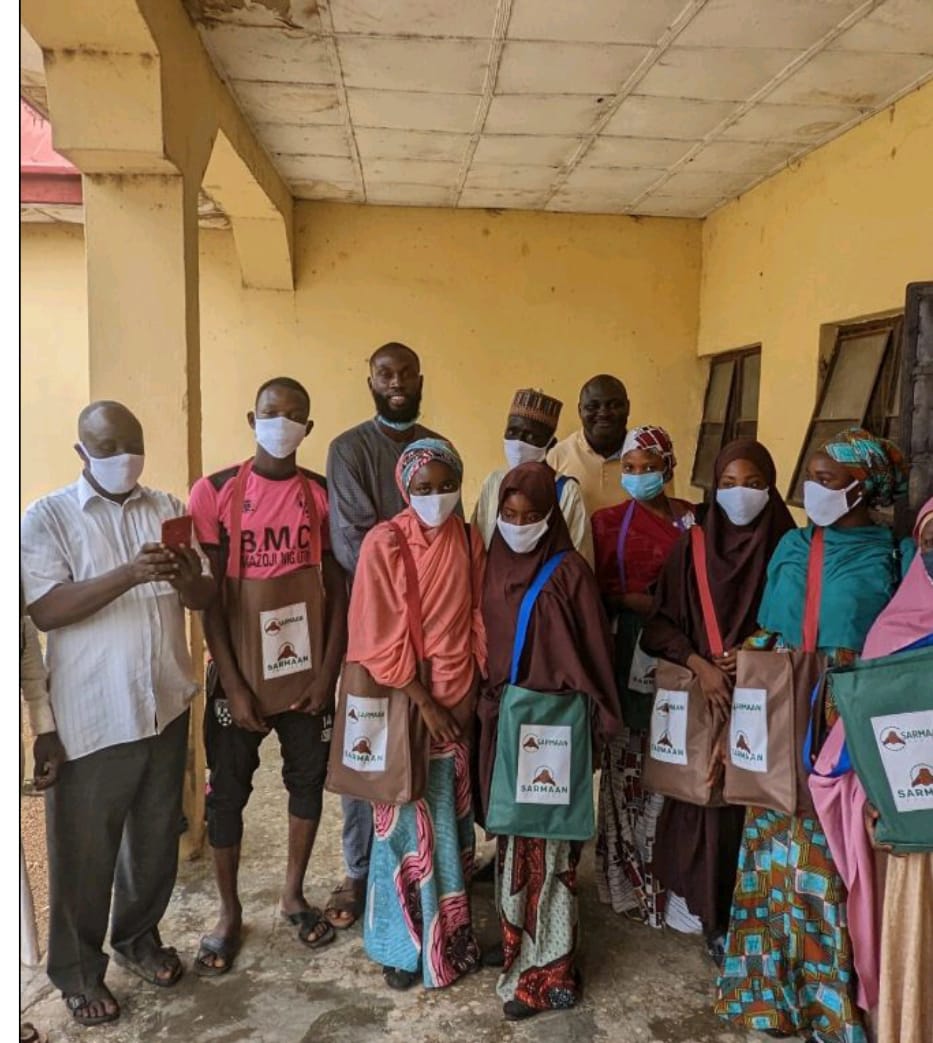
Health workers across northern Nigeria are at the forefront of a nationwide effort to reduce under‑five mortality through the SARMAAN II project, a mass drug administration campaign using azithromycin.
The initiative, led by the Nigerian Institute of Medical Research in collaboration with the Federal Ministry of Health and partners including Sightsavers, Malaria Consortium, AFENET, MITOSATH, eHA, and SCIDaR, aims to deliver life‑saving interventions to vulnerable children in hard‑to‑reach communities.
SARMAAN, which stands for Safety and Antimicrobial Resistance of Mass Administration of Azithromycin in Nigeria, relies on a diverse workforce—from researchers to local volunteers—who distribute medicine, collect health data, manage digital systems, and oversee logistics.
For participants like Haruna Adamu, who began as an enumerator in SARMAAN I and now serves as a data collector in SARMAAN II, the project represents a personal mission. “It’s about prevention, early intervention, and making a direct impact in my community,” he said. Frederick Linus, a data collector in Dutse Local Government Area, Jigawa State, described visiting villages previously “forgotten” by health services, where residents welcomed the intervention with joy.
Health workers emphasize that SARMAAN is more than just medicine—it is about building trust, addressing misinformation, and improving community health awareness. Adamu noted that once caregivers understood the program, initial hesitation gave way to full cooperation.
The second phase of SARMAAN II is currently being implemented in 11 northern states: Kaduna, Bauchi, Kebbi, Katsina, Kano, Sokoto, Jigawa, Adamawa, Yobe, Gombe, and Zamfara. The project underscores the critical role of health workers in Nigeria’s fight against preventable child deaths.
Disclaimer
Comments expressed here do not reflect the opinions of Vanguard newspapers or any employee thereof.