By Blessing Lawal
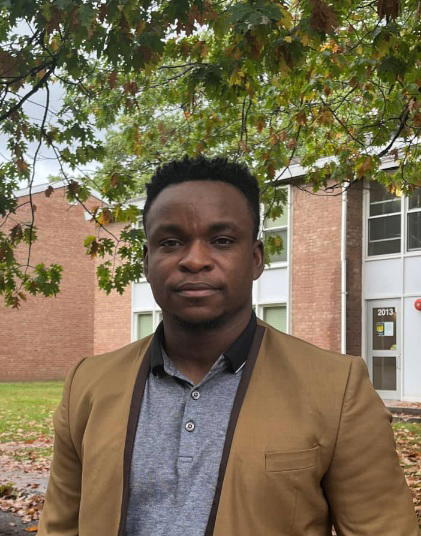
As Africa grapples with the environmental repercussions of mining, innovative research is reshaping policies aimed at sustainable mine waste management and groundwater protection. Amid growing concerns over the long-term effects of poorly managed tailings facilities, the work of hydrogeological researcher Akintunde Stephen Samakinde from Michigan Technological University is emerging as a pivotal contribution to this vital discussion.
“Mining is an essential part of Africa’s economy, but it cannot come at the cost of our water resources and public health,” Samakinde stated during the recent Nigeria Mining Week 2024, held at the Abuja Continental Hotel. His research delves into the complex interactions between mine tailings, groundwater systems, and the migration of contaminants, providing a detailed analysis of how many mining regions on the continent are still using outdated tailings containment systems.
“Many of these systems fail to address essential factors such as groundwater interaction and climate variability,” he explained. “This oversight has led to ongoing soil and water contamination issues, affecting drinking water safety and ultimately public health, particularly in mineral-rich regions of Nigeria.”
The implications of Samakinde’s work are far-reaching, prompting a reevaluation of existing practices and policies. His research advocates for integrated frameworks that combine pollution control with water recycling and responsible resource recovery. “We need to shift from reactive remediation to proactive environmental management,” he emphasised, putting forward strategies for early risk identification and scientifically-driven design.
At the conference, Jade Bergeron, a specialist from the Mining and Environment Research Centre in Canada, highlighted the critical nature of linking groundwater protection to mine-waste treatment. “For developing economies managing both legacy and active tailings facilities, this connection is essential for sustainable mining practices,” she noted.
Echoing this sentiment, Professor Mike Cardiff from the University of Wisconsin-Madison remarked on the global relevance of Samakinde’s findings. “Contaminant transport and aquifer vulnerability are challenges that transcend borders. Insights from African mining contexts can inform international research and policy discussions globally,” he stated.
The dialogue at Nigeria Mining Week illuminated a shared understanding among policymakers, regulators, mining executives, and environmental scientists about the necessity of strengthening environmental governance. “The research offered a technical foundation for aligning mineral development with groundwater protection, fostering long-term environmental resilience,” remarked a participant, underscoring the urgent need for collaborative efforts in tackling these contemporary challenges.
As the discussion on mine waste governance heats up, Samakinde’s research calls for a renewed focus on the importance of environmental sustainability within Africa’s booming mineral sector. “It’s not just a regional priority,” he concluded, “but a global imperative. We must ground our environmental policies in applied hydrogeological science to ensure that mineral development supports economic growth without sacrificing our essential water resources.”
In this dynamic landscape, the intersection of research and policy holds the promise of a more sustainable future for mining in Africa, one where both economic and environmental health can thrive hand in hand.
Disclaimer
Comments expressed here do not reflect the opinions of Vanguard newspapers or any employee thereof.