By Esther Onyegbula
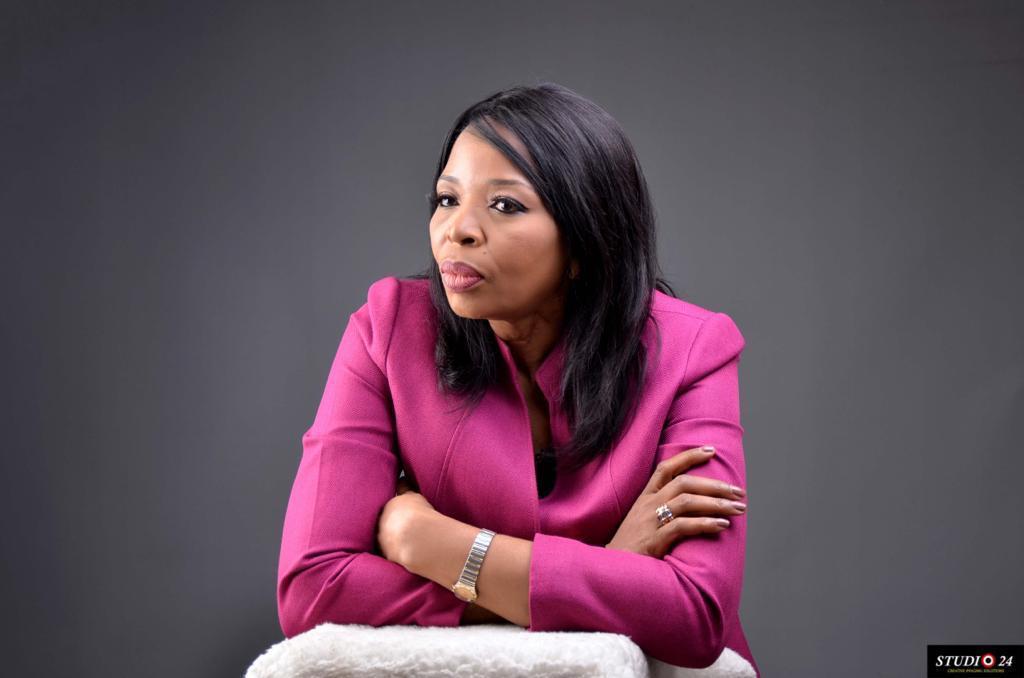
For 27 years, Gloria Egbuji has remained one of Nigeria’s most resolute voices for justice, compassion and institutional reform. At a time when crime victims suffered in silence and police brutality was rarely challenged, she dared to imagine a country where victims are treated with dignity and the justice system serves ordinary people.
Today, that vision lives through the Crime Victims Foundation of Nigeria (CRIVIFON), a pioneering organisation whose work has redefined victims’ rights, strengthened police accountability and transformed community responses to violence across the country.
In this revealing interview with Vanguard, Egbuji takes us back to where it all began, the personal encounters that fuelled her passion, the battles she fought within entrenched systems, and the national impact of her work.
Tell us the story of CRIVIFON from the beginning and its founding vision.
CRIVIFON was born 27 years ago out of a deep recognition that Nigeria lacked a structured system to protect, guide and support victims of crime. At that time, conversations around human rights were almost non-existent, and victims, especially women, children and vulnerable citizens, had nowhere to turn.
“I founded CRIVIFON because victims were suffering twice,” she says. “First from the crime itself, and then from the silence, stigma and institutional neglect that followed.”
Her vision was simple but powerful:, Give victims a voice. Protect the vulnerable. Reform policing practices.
“Today,” she adds, “that vision has grown into a national force for advocacy, public safety and human-rights protection.”
“I could not watch people suffer in silence”
What personally motivated you to embark on this path of crime-victim advocacy and human-rights protection?
Her motivation, she explains, came from witnessing the kind of suffering no human being deserves.
“I saw women brutalised, children violated, and families shattered, with no support system to guide them. People suffered in silence because they feared the very system meant to protect them.”
She pauses, then continues softly:
“I couldn’t stand by and watch this continue. I felt a moral obligation to give victims the protection and dignity they were consistently denied.”
Where did you receive the initial encouragement or institutional support?
CRIVIFON’s first partners were committed legal professionals, human-rights organisations and senior police officers who genuinely desired reform. These early believers understood that policing must be rooted in professionalism, accountability and respect for human dignity.
Civil society groups, communities and some international organisations soon joined in, offering expertise, visibility, networks and the support needed to sustain the foundation’s growing influence.
“We faced resistance, silence and mistrust, but we persisted”
What early barriers did CRIVIFON encounter and how did you overcome them?
Egbuji lists the challenges with the calmness of someone who has weathered storms and survived:
Resistance to new ideas within police formations. Cultural silence around rape, domestic violence and abuse. Lack of financial resources. Deep public mistrust in the justice system. But persistence became their most powerful weapon.
“We overcame them through honest dialogue, strong partnerships, community education, and most importantly, consistent results. With time, our impact opened doors that once seemed impossible.”
To what extent has the Nigeria Police Force collaborated with CRIVIFON?
Despite widespread criticisms of policing in Nigeria, Egbuji is clear about the partnership.
“The Nigeria Police Force has been one of our strongest collaborators,” she says.
Their partnership covers: Human-rights and gender-based training. Joint establishment of Human-Rights Desks and Gender Desks. Community policing programmes. Interventions on child abuse, rape and domestic violence.
Support for internal reforms and professional standards.
“Many policing successes in Lagos and across the country can be traced to early CRIVIFON advocacy and capacity-building,” she notes.
Walk us through CRIVIFON’s training programmes for police officers.
Designed to make policing more professional, non-abusive and citizen-focused, the training covers:
Constitutional and human-rights principles. Handling rape, domestic violence and child-protection cases.
Ethical interrogation. Professional conduct and accountability. Victim-sensitive communication.
The programme blends classroom learning, scenario-based simulations and field evaluations.
“It has reshaped police culture, reduced rights violations and strengthened public trust,” she says proudly.
How did these trainings lead to the creation of the Human-Rights and Gender Desks across police divisions?
As officers evolved through the trainings, it became obvious that police stations needed specialised units for sensitive cases.
CRIVIFON designed and established the first Human-Rights Desk and Gender Desk in Lagos State Command, structures later replicated nationwide.
The impact has been remarkable: Faster response to sexual and domestic-abuse cases. Better documentation and case follow-up. More compassionate engagement with victims. Reduced intimidation and rights violations.
“These desks have become essential portals of justice for thousands of Nigerians,” she explains.
What challenges did you face convincing police divisions to adopt these desks?
Some officers resisted at first.
“Many believed human rights limited police authority. Others felt the desks would increase their workload.”
But CRIVIFON chose persistence over confrontation, engaging leadership, presenting evidence of improved outcomes, and showing how the desks actually made policing more effective.
“When they saw the results, less conflict, better public trust, and smoother case management, they began to embrace the idea,” she says.
Twenty-seven years later, what began as one woman’s determination has grown into a national pillar of justice and dignity. CRIVIFON stands today as proof that change is possible when empathy meets courage, and when advocacy never bows to resistance.
Egbuji’s journey is far from over.
“We built a system where victims are no longer invisible,” she says.
“And we will keep strengthening it until justice becomes accessible to every Nigerian.”
Disclaimer
Comments expressed here do not reflect the opinions of Vanguard newspapers or any employee thereof.