By Adeola Badru
A coalition of civil society organisations, legal professionals and education advocates has renewed its call for the Oyo State Government to improve transparency and adopt more gender-responsive budgeting practices within the education sector, following a series of extensive engagements with key stakeholders.
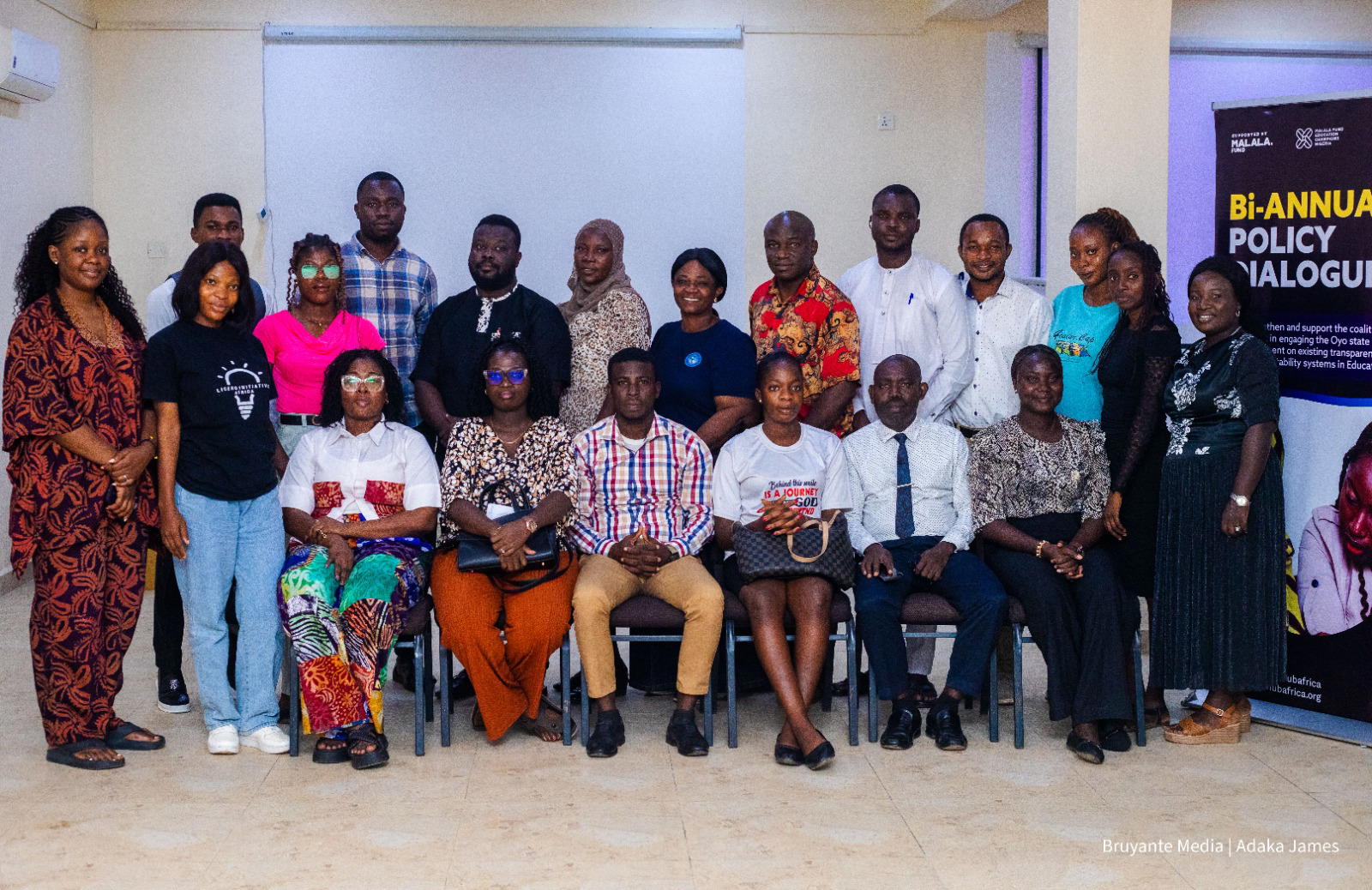
The biannual policy dialogue, convened by YouthHubAfrica and titled, “Transparency and Accountability in the Education Sector,” took place in Ibadan at the weekend.
The event was designed to deepen engagement with government officials while strengthening ongoing efforts to improve accountability systems across the state’s education sector.
Organisers explained that the initiative aims to broaden open governance practices and ensure citizens play a more active role in shaping the education budget and SUBEB’s annual action plans.
YouthHubAfrica noted that greater transparency in education governance would “create opportunities for citizens to become more involved in the education budget development process, particularly in shaping SUBEB’s work and action plans.”
They added that such participation helps guarantee that school projects reflect community priorities, “including the specific schooling needs of both girls and boys.”
The dialogue brought together coalition members, cluster groups and other key stakeholders to review progress and develop practical strategies for strengthening accountability.
It also provided a platform for citizens’ groups to reassess the extent of their engagement with government on education financing.
Speaking to journalists after the stakeholders’ session, Ifeoluwa Adewole, Programme Manager for Getting Girls Equal under the Aid for Rural Education Access Initiative, stressed the importance of the dialogue in supporting ongoing advocacy directed at the Oyo State Government.
“We are here for the biannual policy dialogue specifically to strengthen and support coalition members on the work they’ve been doing for about a year now in Nigeria.”
“Citizens should be deeply involved in the budgeting processes for education, asking questions such as how much is spent on one girl in the education sector.”
“It helps when they know NGOs are standing with them, so they understand they are not alone,” she said.
Providing a legal and oversight viewpoint, Emilia Folajuwon Banjo, a legal practitioner and Coordinator of the Oyo State Education Coalition, described the gathering as essential for improving clarity in budgeting and enhancing gender inclusion.
“This is a biannual policy dialogue on transparency and accountability guidelines on the budget, particularly as it concerns gender-responsive education in Oyo State.
“Our CSOs are focused on monitoring and tracking the implementation of the budget lines. Transparency and accountability cannot simply remain as concepts; they must be demonstrated, broken down and achieved,” she stated.
Banjo added that the coalition had discussed specific actions civil society groups could take to complement government initiatives.
“We want the education budget not only to be gender-responsive but also clear and understandable to the average citizen, who should be able to see what is earmarked for a project and confirm that it has been delivered.”
“We also examined how citizens can better engage government officials on education budget lines,” she said.
Banjo further called on the state government to demonstrate stronger commitment to gender-responsive spending.
“I want to use this opportunity to tell the Oyo State Government to build greater trust with citizens, especially on education.”
“We know education is high on the government’s agenda, but the real measure of priority is in the budget. When we look at how the lines are spent and whether activities reflect gender-responsive principles, we can determine if the government truly prioritises gender inclusion in our education system.”
Disclaimer
Comments expressed here do not reflect the opinions of Vanguard newspapers or any employee thereof.