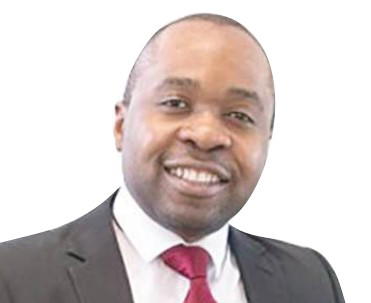
Professor Christian Harrison
A globally recognised leadership scholar and Director of the Centre for Leadership and Empowerment in Greater Manchester, Professor Christian Harrison, in this interview, speaks on the need for intentional leadership development in schools, communities and political structures.
Excerpts:
Looking at the recent leadership crisis in Nigeria, what patterns make Nigerians, especially the youth, vulnerable to political manipulation?
Over the past few weeks and months, we have witnessed significant political and social tension. It began with issues surrounding Donald Trump and more recently, the saga between Minister Nyesom Wike and the naval officer. During crises, people naturally react emotionally, and that pattern is consistent.
But I always tell young people: be cautious. Emotional reactions can be harmful. Based on my research on leadership, emotional impulsiveness weakens decision-making. Young Nigerians, who make up about 70% of our 230 million populations, shape national stability? Their reactions matter.
Social media culture makes manipulation easier. There is often more drama than substance online. The Wike–naval officer incident should not have been a source of entertainment; it reflects systemic weaknesses. If our youth continue celebrating chaos rather than thinking critically, Nigeria cannot progress.
Many Nigerians grew up hearing “youths are the leaders of tomorrow,” yet tomorrow still seems delayed. How can young people truly prepare for leadership?
I understand the frustration, but I remain optimistic. Leadership can be developed. Young people must intentionally prepare themselves.
I developed a model called the VERSED Model. One of the most important skills for 21st-century leadership is vision. Every young leader must have clarity about what leadership should look like in their community or nation. Without vision, there is no progress.
Empowerment is another key element. As someone deeply involved in leadership education, I believe leadership should be integrated into our entire school system. From primary schools to universities, we must teach leadership intentionally. This prepares a generation capable of transforming Nigeria.
I advise young people to read widely, including leadership books, mine, for instance, so they can understand what true leadership requires.
You talked about empowerment. But politics in Nigeria is very expensive. How can young people participate when nomination forms cost N30 to N100 million?
That is the heart of the problem. Politics in Nigeria is prohibitively expensive. A nomination form alone can reach N50 million or more, and when you add “settlements” and other costs, it becomes impossible for the average young person.
That’s why older people dominate political spaces, young people simply do not have the financial power.
But we can learn from countries like Finland and even Burkina Faso, where young leaders have emerged. Government must intentionally support young people. Legislation is one part, but empowerment goes beyond age limits.
Still, we cannot give up. Leadership development should start from the grassroots. Universities should provide platforms for young people to “taste” leadership through student unions, political party involvement, and community engagement. Practical experience matters.
Leadership must be intentionally distributed.
Where does mentorship fit into this leadership journey?
Mentorship is absolutely essential, formal and informal. Young people need to see people who look like them succeeding. In the UK, we have 165 vice-chancellors, and only two are Black. How do you aspire to what you cannot see?
Mentors help young people envision what is possible. They also guide them through the realities of political structures so they don’t reinvent the wheel.
But mentorship doesn’t solve the financial barriers. Should Nigeria consider reducing form fees for younger candidates?
Our politics should not be this financially appealing. Why should forms cost ¦ 30 million or ¦ 100 million? It pushes young people out and turns political participation into an investment where sponsors expect returns.
If political parties are serious about involving young people, they must make the process affordable. A young graduate cannot afford such fees unless there is a godfather backing them, and that compromises independence.
Political parties must say clearly: politics should not be about money.
Do you see Nigeria achieving such reforms in the next 100 years, even if we won’t be here to witness it?
I’m an optimist. Nigeria will change, and the change will come from the youth. “Youth are the leaders of tomorrow” will always remain true if we empower them today.
What three practical tips would you give young aspiring politicians, people like Chidera, JB, or Moses, who feel discouraged?
First, be the change you want to see. If you want a better system, embody the values of that system yourself. You are tomorrow’s leaders.
Second, don’t give up before you start. I often say, “Don’t die before you’re dead.” Don’t surrender your voice, your hopes, or your impact before you’ve even tried.
Third, stay informed and stay engaged. Leadership begins with awareness. If young people withdraw from national issues, they cannot influence the future they desire.
Disclaimer
Comments expressed here do not reflect the opinions of Vanguard newspapers or any employee thereof.