To save our future, we must simultaneously dismantle endemic malpractice, eradicate state complicity, and completely overhaul our dangerously outdated curriculum.
Nigeria’s educational system is not just in crisis; it is failing. It is caught in a tripartite trap: widespread student malpractice now treated as normal; state-accommodated malpractice by the very institutions meant to guard its integrity; and a tertiary curriculum so antiquated it leaves our graduates unprepared for the 21st century.
This is not a theoretical problem. It is the root of our chronic graduate unemployment. It is the fuel for the japa wave, as our brightest minds flee a system they cannot trust. It is the reason industries spend billions retraining graduates for basic tasks.
These problems are not separate; they feed each other in a vicious cycle of decay. A student, facing a curriculum they know is irrelevant, sees no value in learning it. They see a system that rewards the certificate, not the skill. So, they turn to malpractice. That malpractice is then enabled and monetized by the “state” a school principal, a teacher, an invigilator who also feels let down by the system. This corrupt transaction produces a paper certificate devoid of competence, undermining our entire national potential and reinforcing the cynical belief that honesty does not pay.
To break this cycle, the government must abandon piecemeal reforms and launch a bold, interconnected, three-pronged strategy. This is not just about education; it is about national survival.
Dismantle State-Accommodated Malpractice
Before we can fix what we teach, we must restore integrity to how we test. The state schools, invigilators, and exam bodies, cannot be a partner in the crime. The moral corrosion begins when the referee sells the whistle.
First, mandate technology as the primary, non-negotiable invigilator. The human element has proven too compromised. The government must fund and enforce the universal use of Computer-Based Testing (CBT) for all high-stakes examinations, including WASSCE and NECO, not just the UTME. This must be paired with mandatory biometric verification linked to the National Identification Number (NIN) to end impersonation, and CCTV coverage in all accredited centers. These tools neutralize the “human factor,” making organized, large-scale cheating nearly impossible.
Second, hold institutions accountable, not just students. For too long, we have blamed the children while ignoring the criminal facilitators. The focus must shift to the “supply side” of cheating. Any school or center identified as a “miracle center”, those notorious factories that openly sell grades, must be immediately shut down, its license permanently revoked, and its proprietors prosecuted under organized crime statutes. We must publish a national, public “blacklist” of compromised teachers, principals, and invigilators, banning them from the examination process for life.
Finally, we must improve welfare while enforcing ethics. A poorly-paid invigilator is an easily tempted one. Remuneration for exam duties must be increased significantly and, crucially, paid “on time”. This act of basic respect must be twinned with a new, stringent code of conduct. We must also create a secure, anonymous national whistleblower portal, backed by financial rewards and legal protection, for the many honest students and staff who wish to report malpractice but currently fear for their safety or grades.
Modernizing the Curriculum
Students will only respect a system they believe prepares them for a successful future. A system that is in touch with reality, a system where the lecturers are comfortable, our current curriculum, heavy on 1980s theory and rote memorization, fundamentally fails this test.
First, establish permanent, industry-led curriculum review boards. The era of academics designing curricula in an ivory tower is over. The speed of modern industry from AI and data analytics to renewable energy and digital marketing makes five-year-old textbooks obsolete. By law, curriculum committees at the NUC and university levels must have at least 40% active representation from the private sector and tech hubs. This cannot be a one-off consultation; it must be a permanent partnership to ensure degrees align with real-world demands.
A new curriculum is useless without the tools to teach it. TETFUND and ministry budgets must pivot dramatically. We must prioritize equipping campuses with modern labs, industry-standard simulation software, robust digital libraries, and high-speed internet over the simple erection of new buildings. We must also fund a mandatory “industry sabbatical” program for lecturers, placing them in modern companies for 3-6 months to learn the contemporary practices they are expected to teach.
Third, radically change the assessment model. As long as a single 3-hour exam determines 70% of a student’s fate, the “all-or-nothing” pressure will make cheating a rational choice. We must mandate that at least 50% of a final grade comes from practical, verifiable, continuous assessment. This includes portfolios, capstone projects, documented lab work, software repositories, and oral defenses work that demonstrates sustained competence and is infinitely harder to fake than a single exam.
De-emphasize the Paper Certificate
Finally, we must attack the demand for malpractice. This demand is driven by our national, multi-generational obsession with paper qualifications over actual, demonstrable competence.
The government, as the nation’s largest employer, must lead this revolution by example. It must immediately reform its public service hiring. Stop focusing solely on a “First Class” or “2:1” certificate. Instead, implement anonymous, skill-based pre-employment tests and portfolio reviews. When the government itself proves it values what a candidate can do not just the paper they hold, the national mindset will be forced to shift.
Alongside this, we must launch a sustained, aggressive national re-orientation campaign. This cannot be left to the National Orientation Agency (NOA) alone. We must enlist Nollywood, music stars, tech icons, and sports heroes to champion a new message: “Skills, Not Certificates.” We must use the media to celebrate the successful software developer, the master artisan, the creative entrepreneur, and the skilled technician with the same, or even greater, vigor than we celebrate lawyers and doctors. We must show young people there are multiple, dignified pathways to success that do not require a university degree or cheating to get one.
These three strategies, Accountability, Reform, and Re-orientation are not a buffet to pick from. They are pillars of a single structure. They must be implemented as one comprehensive, indivisible package. Fixing the curriculum without fixing the cheating is pointless. Fixing the cheating without changing the cultural obsession with certificates is unsustainable.
The time for incremental tinkering, for reports that gather dust, is long past. This is a national emergency. Bold, systemic, and immediate action is the only path left to restore value to our education, unlock the potential of our youth, and secure Nigeria’s future in a competitive global landscape.
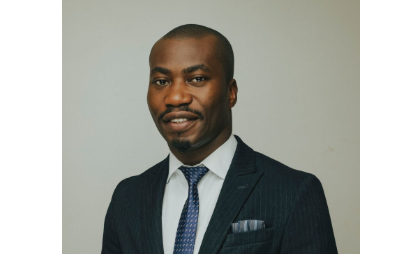
Ikenna Uzoechi is an economic enthusiast, an engineer, a writer and a director of Zen Cole Nigeria, an oil servicing company in the southern region of Nigeria. He holds an MBA (summa cum laude) from The Lagos Business school. He also holds two bachelors degrees from prestigious Universities. He is also a member of several prestigious institutes across the country.
Disclaimer
Comments expressed here do not reflect the opinions of Vanguard newspapers or any employee thereof.