•Analyses best, worst-case scenarios
By Olayinka Ajayi
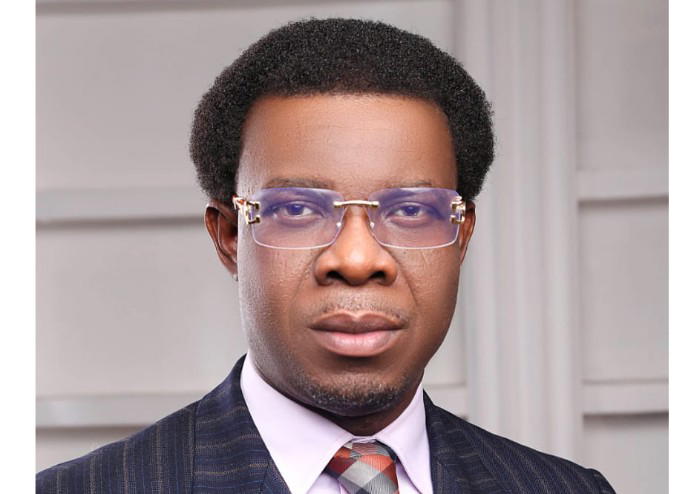
Ambassador Tunji John Asaolu, a professor of politics & international studies, is the Secretary General/Chief Executive Officer of the Supreme Council, United World Congress of Diplomats (UN-WCD). He is also the Vice Chairman, African School of Diplomacy and International Relations, ASDIR.
In this interview, Asaolu speaks on the United States President Donald Trump’s rhetoric on alleged Christian genocide in Nigeria and the threat of military action against the country. He analyses the best and worst-case scenarios for Nigeria. Excerpts:
What did we do wrong, and what did we do right on the Trump threat and designation of Nigeria as Country of Particular Concern, CPC?
The designation of Nigeria as a Country of Particular Concern (CPC) by the Trump administration highlights significant concerns regarding religious freedom and human rights violations, particularly in regions plagued by violence and extremism. One critical misstep was the inadequate response from the Nigerian government to address the underlying causes of religious and ethnic violence. For instance, the persistence of Boko Haram and similar groups has not only threatened national security but also created a perception of systemic failure in protecting the rights of religious minorities. Reports indicated that hundreds of thousands have been displaced due to these conflicts which undermine Nigeria’s commitments to international norms regarding human rights and freedoms, as outlined in the African Union’s (AU) Charter on Human and Peoples’ Rights. On the other hand, Nigeria has made strides in negotiating and collaborating with global partners to combat extremism. The establishment of the ‘Operation Safe Corridor’ aims to rehabilitate former militants, and Nigeria’s robust participation in the Multinational Joint Task Force (MNJTF) demonstrates a commitment to regional collaboration against terrorism, echoing the principles of the AU’s Agenda 2063 for peace and security in Africa.
What are the best-case scenario as well as the worst-case scenario for Nigeria in this unfolding development?
In an optimistic scenario, Nigeria successfully addresses the root causes of extremism through comprehensive socio-economic development, education, and interfaith dialogue. Collaborative efforts with international partners could lead to increased foreign investments, improved security, and a strengthened civil society. The AU’s Agenda 2063 emphasizes silencing the guns in Africa, which Nigeria can embrace to foster a peaceful internal environment conducive to sustainable development. Conversely, the most alarming scenario could involve further escalation of violence, leading to fragmentation along ethnic and religious lines. This is akin to the challenges faced by countries like Syria where prolonged conflict resulted in humanitarian crises and mass displacement. A breakdown in governance and security could trigger a humanitarian disaster, resulting in widespread instability that threatens regional peace as articulated in the UN’s Responsibility to Protect (R2P) doctrine.
What is your take on the China and EU support for Nigeria?
China and the European Union (EU) play pivotal roles in Nigeria’s quest for economic growth and stability. China’s Belt and Road Initiative has facilitated significant infrastructure projects in Nigeria, potentially enhancing connectivity and trade. For its part, the EU offers substantial support in areas such as human rights and democratic governance, emphasizing alignment with international norms. According to the AU’s Agenda 2063, partnerships that promote economic growth and enhance political stability are crucial. By leveraging both Chinese investment and EU development aid, Nigeria can strategically navigate its development trajectory while adhering to democratic principles and human rights obligations.
How does this help Nigeria?
The dual support from China and the EU can significantly bolster Nigeria’s socio-economic development. Chinese investments in infrastructure can improve road networks, energy production, and technology sectors, leading to job creation and enhanced economic activity. On the other hand, EU support fosters good governance practices, enhances civil society engagement, and promotes human rights—a critical component of sustainable development. A notable example is the EU’s long-term partnership with Nigeria through initiatives like the European Development Fund, which focuses on poverty alleviation and governance reform, aligning with the Sustainable Development Goals (SDGs).
Many analysts think that there are other motives for the Trump action, and the CPC declaration/threat is just a smokescreen. What do you think?
It is plausible that geopolitical dynamics influenced the CPC designation. The timing aligned with broader U.S. foreign policy considerations, where human rights become a tool for leverage. This mirrors past instances where designations were used to pressure states into compliance with broader U.S. strategic interests. The UN Declaration on the Right to Development posits that the pursuit of development must respect human rights; however, when wielded selectively, such actions can undermine genuine human rights advocacy.
Some are of the view that Trump’s threat was triggered by politicians going to the US to complain just to get their support. What are your thoughts on this submission?
While it is conceivable that some domestic political figures sought to leverage U.S. attention for their agendas, the complexities of international relations often blur the lines between genuine concern and opportunistic maneuvering. It’s vital for Nigeria to assess these dynamics critically to improve its governance and respond effectively to allegations of human rights violations. This situation highlights the necessity for a solid domestic framework that addresses grievances across the board, minimizing the leverage external actors may have in influencing Nigeria’s international standing.
The AU’s principle of “African Solutions to African Problems” comes to mind; building internal resilience through good governance can help mitigate external pressures while fostering a more unified national narrative.
What do you see as the way forward, especially since some extremists insist this could snowball into a full-blown war?
To prevent further escalation into violence, Nigeria must adopt a multi-faceted approach that emphasizes dialogue, socio-economic development, and inclusive governance. Engaging various community leaders and stakeholders in peace-building initiatives can foster understanding and reduce tensions. Drawing lessons from the AU’s Blue Print for Peace and Security could help create frameworks for conflict resolution. Number two, addressing the underlying economic disparities that fuel extremism is critical. Targeted investments in education, employment, and infrastructure, particularly in conflict-prone areas, can address grievances and empower communities.
For instance, the World Bank’s interventions in Northern Nigeria have shown promise in reducing the appeal of extremist ideologies by creating employment opportunities. Thirdly, encouraging active participation from civil society organizations will ensure that all voices are heard in the policymaking process. This aligns with the UN’s Sustainable Development Goals (SDGs), particularly Goal 16, which advocates for peace, justice, and strong institutions.
International Collaboration: Lastly, collaborating with international partners for support in training security personnel and funding development projects will enhance Nigeria’s capacity to manage conflicts effectively.
By implementing these strategies, Nigeria can not only mitigate the immediate threats posed by extremism but also lay the groundwork for long-term stability and peace, upholding the tenets of the AU’s Agenda 2063 and the UN’s foundational principles.
QUOTE: One critical misstep was the inadequate response from the Nigerian government to address the underlying causes of religious and ethnic violence.
Disclaimer
Comments expressed here do not reflect the opinions of Vanguard newspapers or any employee thereof.