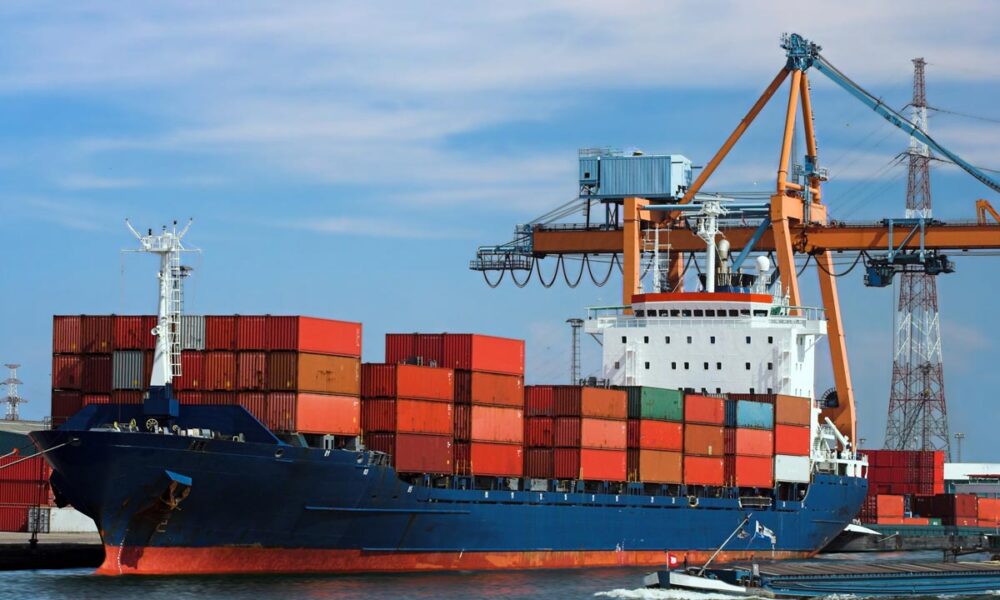
File image.
By Providence Ayanfeoluwa
Report has shown that the Eastern ports (Onne, Calabar, Port Harcourt, Warri) are more expensive than Lagos ports largely due to structural neglect and policy imbalance, not actual differences in freight or port tariffs.
Investigations carried out by Sea Empowerment Research Centre, SEREC and made available to Vanguard, revealed “expensive Eastern port” narrative is a myth born of long neglect
According to the report signed by Head of Research SEREC, Eugene Nweke, said that the Nigerian Ports Authority, NPA tariff structure remains uniform nationwide, while the freight cost differentials stem from: longer vessel waiting times; limited ship calls and weak competition; poor hinterland connectivity raising distribution costs.
He said: “To put it succinctly, the Eastern ports are costlier by neglect, not by policy”
Nweke said some of the key factors behind the cost perception are tied to infrastructure decay; which include decades of abandoned dredging and collapsed quays; obsolete cargo handling equipment; shallow draft restricts large vessels, leading to higher transshipment costs.
Another factor is poor connectivity, such as weak road and rail links to markets, insecurity and poor road conditions which increase haulage and logistics costs. Shipping line surcharges, such as shipping lines impose “insecurity” or “port differential” surcharges due to low traffic and poor facilities.
Nweke who said a subtle anti-eastern economic strategy appears to divert trade flow to Lagos for central control, pointed out that hidden authorities resist decentralizing port operations while maritime politics outweighs the economic logic of decongesting Lagos ports.
Recall that globally landlocked countries spent money to construct artificial ports/cannals, and they are operationally viable, example, Dubai port. Here, we have natural harbours, but we are feigning operational excuses.
Meanwhile, he suggested that a need to dredge and modernize all Eastern ports to full draft capacity; rehabilitate rail and inland waterways for seamless connectivity; implement cargo-sharing policies to balance port utilization; provide incentives for shipping lines to call at Eastern ports and depoliticize port management — approach with a national economic focus, not regional bias.
Disclaimer
Comments expressed here do not reflect the opinions of Vanguard newspapers or any employee thereof.