By Marie-Therese Nanlong
Jos — At a high-level interfaith roundtable, Muslim and Christian adherents joined civil society, the media, and government officials to push for stronger protections for minority rights and freedom of religion, stressing that sustainable peace depends on dialogue, inclusivity, and grassroots ownership of peace processes.
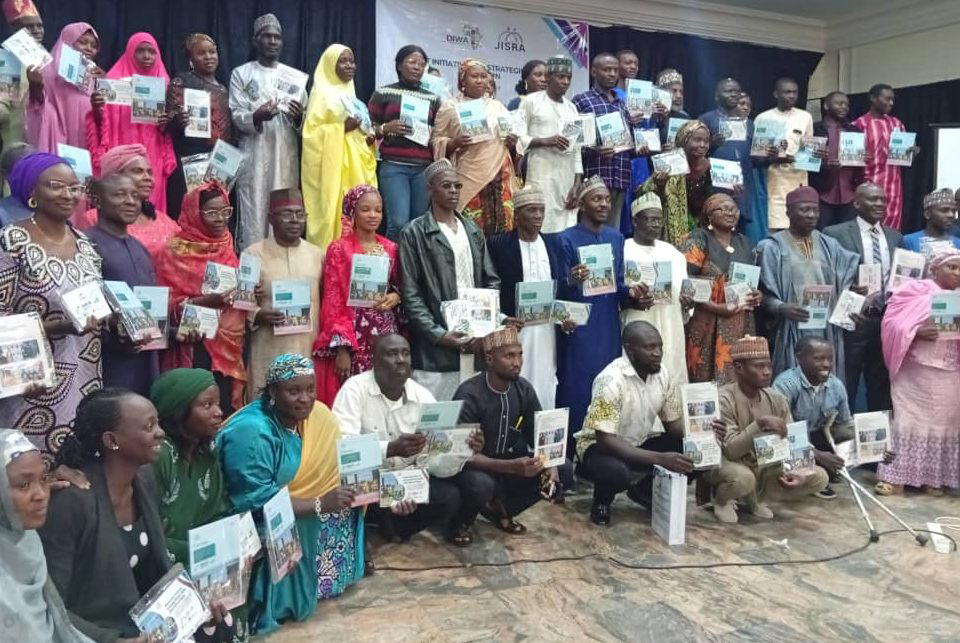
The coalition of faith leaders, traditional rulers, government representatives, civil society organizations, youth and women’s groups from different communities in Plateau State who gathered in Jos, to deliberate on advancing peace called for sustained dialogue among communities.
The roundtable, organized by the Development Initiative of West Africa (DIWA) under the Joint Initiative for Strategic Religious Action (JISRA) project, was held under the theme “Sustaining Peace Through Dialogue: A Roundtable with Faith Communities on Advancing Freedom of Religion or Belief (FoRB) and the Rights of Minority Groups in Nigeria.”
Declaring the session open, DIWA’s Programme Manager, Habila Kudu, described the gathering as a bridge between project-driven interventions and community-owned peace initiatives, and noted that Nigeria’s diversity in faith, culture and ethnicity could be its strength if nurtured but warned that intolerance and exclusion often turned such diversity into fault lines for conflict.
“Together, across Kaduna and Plateau States, we have seen how dialogue can replace suspicion, how collaboration can overcome division, and how faith communities, especially women, youth, and minority groups, can become champions of peace,” Kudu said.
He called on stakeholders to institutionalize the gains of JISRA and ensure dialogue becomes a way of life beyond donor funding.
In his keynote address, the Chief Imam of Jos Central Mosque, Sheikh Ghazali Adam, pointed out the role of dialogue in sustaining peace, stressing that inclusive engagement was critical to preventing and resolving conflicts.
He identified trust-building, inclusivity, addressing root causes of conflict, and insider mediation as key principles for effective dialogue.
According to him, “Sustaining peace requires community-driven mechanisms, intergenerational dialogue, and multi-stakeholder platforms that empower local actors and connect national and international frameworks. Dialogue must move beyond mere conversation to produce tangible outcomes that decision-makers implement.”
Reinforcing the interfaith spirit, the Administrative Secretary of TEKAN, Rev. Augustine Elisha, who spoke on the Christian perspective, urged religious leaders to deepen collaboration in promoting tolerance and peaceful coexistence.
He highlighted the need for churches and mosques to become platforms for reconciliation, not division, stressing that “religion should be a force for unity and empathy, not a trigger for conflict.”
The roundtable also featured legal perspectives on FoRB, testimonies from community beneficiaries of JISRA interventions, and group discussions on sustaining interfaith collaboration and building multi-faith advocacy structures.
Participants drawn from the Bokkos, Barkin Ladi, Jos, and other local government areas, agreed that dialogue had helped bridge divides in conflict-prone communities across Plateau and Kaduna States, with women and youth playing leading roles in grassroots peacebuilding.
Highlights included the presentation of awards to outstanding individuals who have championed FoRB and human rights.
Looking ahead, participants resolved to establish a Multi-Faith FoRB and Minority Rights Working Group to monitor policy implementation and sustain advocacy. They also committed to amplifying positive narratives through the media, promoting empathy and mutual respect, and empowering local actors to lead reconciliation processes.
In his closing remarks, DIWA’s Focal Person, Umar Musa, urged stakeholders to turn dialogue into concrete action. “Peace cannot be outsourced nor left to chance. It must be nurtured intentionally and sustained collectively,” he said.
Since 2021, the JISRA project which closed out a few days ago was implemented across communities in Kaduna and Plateau States, to transform intra-, inter-, and extra-religious dynamics, reduce discrimination, and promote peaceful coexistence.
Disclaimer
Comments expressed here do not reflect the opinions of Vanguard newspapers or any employee thereof.