By Esther Onyegbula
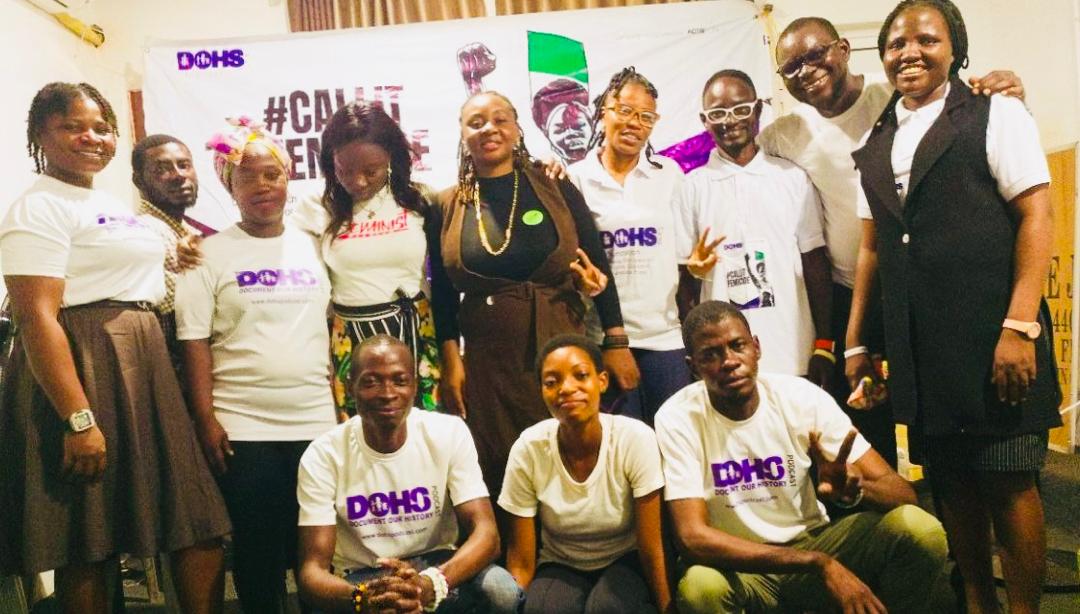
As femicide rates surge globally, the DOHS Cares Foundation has announced the rescue of 216 survivors of abuse in Nigeria over the past 18 months, highlighting the escalating crisis of violence against women and children across the country.
Founder of the Foundation, Ololade Ajayi, made the revelation while speaking at the Connecting the Dots platform on Friday, July 18. The global digital forum, convened by Nalini Saxena, brings together cross-sectoral stakeholders to tackle urgent social justice issues.
Ajayi, in her presentation titled “Unseen, unheard, uncounted: femicide and the war on women,” indicted the systemic violence against women using poetry, data activism, and international analysis. Citing UN Women’s 2023 statistics, she revealed that over 85,000 women and girls were intentionally killed worldwide that year, Africa carrying the highest burden.
In Nigeria alone, 150 femicide-related deaths were recorded in 2024, with 88 additional cases already tracked in the first half of 2025, according to the DOHS Femicide Observatory. This equates to a woman being killed by an intimate partner, relative, or acquaintance every 49 hours.
According to Ajayi, “Femicide is war, a war on women’s right to breathe and to be. Each rescue we make is a life reclaimed from violence. Each child rescued from abuse is a future restored.”
“Founded to offer safety and intervention for victims of gender-based violence, DOHS Cares Foundation has worked across communities in Nigeria to deliver emergency response, legal aid, and rehabilitation for women and children. The 216 rescues include survivors of domestic violence, attempted femicide, child abuse, and sexual assault.”
While celebrating the milestone, Ajayi warned that the crisis is far from over. She drew attention to the absence of gender-specific laws on femicide in Nigeria, the rise of misogynistic online InCel communities, and the shrinking availability of safe spaces for survivors.
“Without accurate data, legal recognition, and protection mechanisms, the silent war on women will continue unchecked,” she said.
Appealing to government agencies, civil society groups, and international donors to support grassroots organizations like DOHS Cares, Ajayi emphasized the urgent need for sustained funding, legal reforms, and community-led interventions to curb gender-based violence and restore dignity to survivors.
Her presentation on the Connecting the Dots forum adds to mounting global advocacy demanding that femicide be treated as a distinct legal category with robust data collection and policy action.
“We must account for every life lost. Only then can we truly say we are doing the work of justice.”
Disclaimer
Comments expressed here do not reflect the opinions of Vanguard newspapers or any employee thereof.