By Esther Onyegbula
A non-governmental organization, Leadership Initiative for Youth Empowerment (LIFE), has revealed that Nigeria has one of the highest maternal mortality rates due to unsafe abortions.
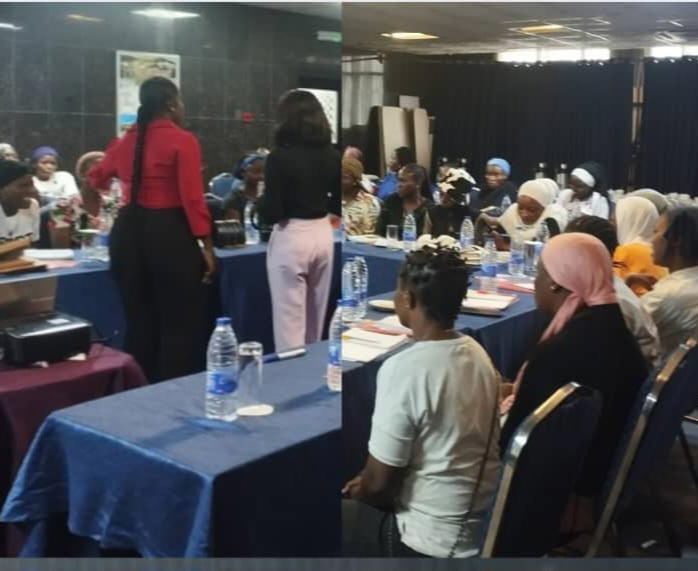
Speaking at a three-day capacity-building workshop in Lagos on preventable maternal deaths, Mokwe Oluwatoyin, LIFE’s Programs Officer, stated:
“One of our recent studies showed that Nigeria has one of the highest rates of maternal deaths due to unsafe abortion. Over 2 million people are affected annually. Despite abortion being illegal in Nigeria people still undergo unsafe procedures, leading to preventable deaths. Our goal is to reduce these tragedies by educating and empowering young people.”
She emphasized that cultural and religious restrictions hinder access to reproductive health education, contributing to misinformation and stigma.
“Unsafe abortion is a leading cause of maternal deaths. The irony is that these deaths are preventable, yet restrictive beliefs and policies make solutions difficult. If we don’t educate young people, they will seek information elsewhere, often from unreliable sources.”
In his presentation, Dr. Solaja Olufemi, a gynecologist, highlighted the alarming global and national statistics on unsafe abortions.
“Every year, over 80 million unintended pregnancies occur, leading to about 46 million abortions worldwide. Of these, 20 million are unsafe, performed by unqualified individuals or in inadequate facilities. In Nigeria alone, around 700,000 women undergo unsafe abortions annually, with nearly 100,000 dying from complications. This is a serious issue.”
He stressed the importance of preventive measures such as abstinence, family planning, and awareness campaigns to reduce unsafe abortions.
“To address and prevent unsafe abortions, we must focus on solutions such as abstinence, family planning, and awareness campaigns. Establishing accessible family planning services can significantly reduce the incidence of unwanted pregnancies, which is the root cause of unsafe abortions.”
Dr. Olufemi also emphasized the need for accessible family planning services for all individuals, not just married couples.
“Family planning is for everyone. It allows people to decide when and how many children to have. There are multiple methods available, and concerns about side effects should not deter women. If one method doesn’t suit an individual, alternatives exist.”
He urged young people to seek accurate information to make informed decisions about their reproductive health.
“Education empowers individuals to prevent unsafe abortions and understand the benefits of family planning. Awareness programs like this equip them with the tools to protect their health and well-being.”
Speaking on Navigating Challenges in Implementing Safe Abortion Guidelines: The Interplay of Policy, Religion, and Public Health in Nigeria, Dr. Adeboje-Jimoh F.O., a Consultant Obstetrician and Gynecologist, reiterated that restrictive abortion laws push many women toward unsafe procedures, often carried out in unregulated settings with severe health risks.
“Restrictive abortion laws promote a higher number of unsafe abortions,” he said, noting that Nigerian law permits abortion only to save a mother’s life, with Lagos State being the only exception, allowing it to also preserve a woman’s physical health.
Dr. Adeboje-Jimoh identified political resistance, lack of awareness, low contraceptive usage, cultural barriers, and socioeconomic challenges as key factors contributing to unsafe abortion practices in Nigeria. He stressed that many women lack access to safe reproductive healthcare due to these structural issues.
To curb the rising cases of unsafe abortions, Dr. Adeboje-Jimoh recommended the following:
Legal Reforms: Expanding abortion laws to cover cases of rape, incest, congenital malformations, and both physical and mental health risks.
Healthcare System Upgrade: Investing in training, equipment, and infrastructure to provide safe and affordable abortion services.
Political and Religious Engagement: Encouraging government action and open dialogue with religious and cultural institutions to support comprehensive reproductive health policies.
Dr. Adeboje-Jimoh linked these recommendations to the Sustainable Development Goals (SDGs), particularly in gender equality, women’s empowerment, universal basic education, and poverty eradication.
The event concluded with an interactive session where participants had the opportunity to discuss challenges, ask questions, and explore strategies for improving reproductive health education and policy implementation in Nigeria.
Disclaimer
Comments expressed here do not reflect the opinions of Vanguard newspapers or any employee thereof.