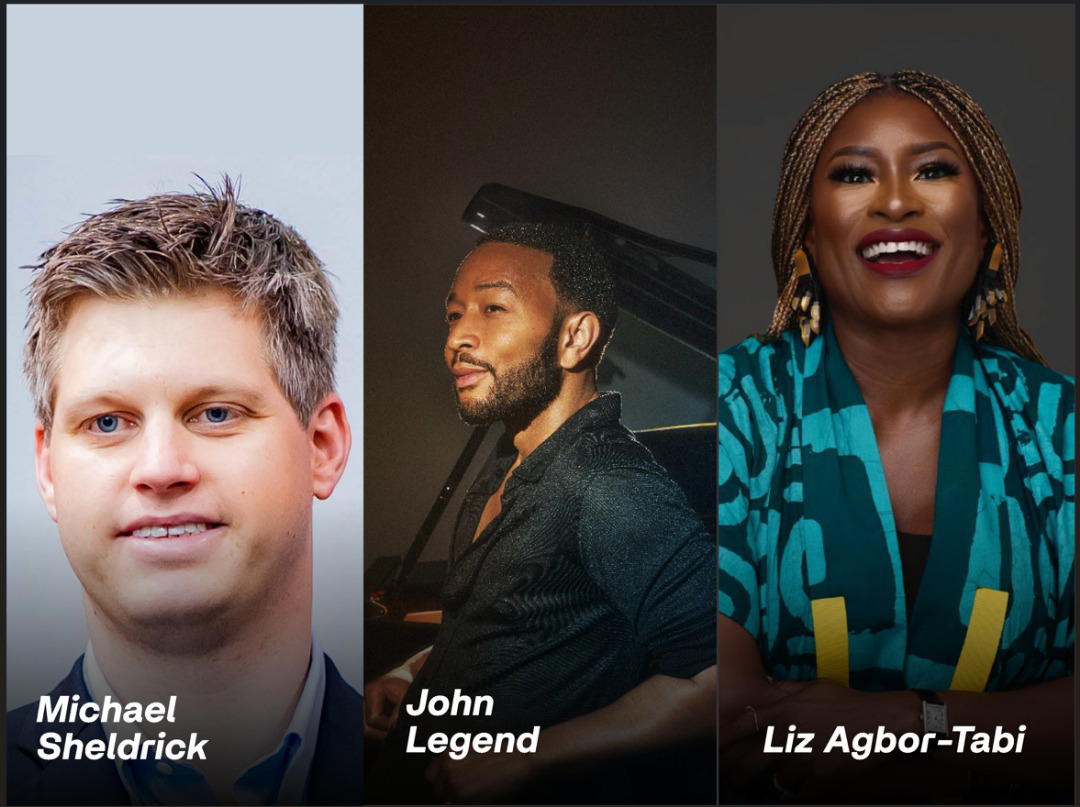
By: Liz Agbor-Tabi, Vice President of Global Policy, Global Citizen, and Michael Sheldrick, Co-Founder, Global Citizen
For years, Nigeria’s economic discourse has been dominated by oil, gas, and fintech. But if December 2024 taught us anything, it’s that the nation’s most untapped and undervalued economic engine may be its creative industry.
Lagos’ “Detty December” generated a staggering USD$71.6 million—proving what many have long argued: creativity isn’t just culture, it’s commerce. It’s time it was treated as such.
The real challenge now is to ensure this impact extends beyond a single festive season. The potential is far-reaching.
Music, film, fashion and digital media can be the backbone of a new economy, as we see in many other parts of the world—an economy that creates exciting, new jobs, shifts inequity, turns the tables of privilege, and projects Nigerian influence and excellence globally. But that won’t happen without long-sighted and ambitious support from policymakers, investors, and industry leaders.
Creativity as a Job Creation Engine
While much of the world’s population is aging, Nigeria’s young population is exploding. By 2050, Africa’s youth will number 1.2 billion. They will need jobs—jobs where they can explore their passions, creativity and ambitions. The old sectors—oil and government—aren’t enough, and oil’s dominance is fading as the world shifts toward clean energy.
The creative industry, however, is built for the future, as World Bank President, Ajay Banga, noted at the Economic Development Assembly in Abidjan last year: Dollar for dollar, the creative industries—along with tourism—generate more jobs than manufacturing. The logic is simple: creativity doesn’t just produce art—it produces entire ecosystems of viable employment, from writers to designers, production crews to event managers, stylists to lighting and sound engineers.
Music as an Economic Force
Nigeria is already a global music powerhouse. The IFPI 2023 report confirmed that Africa was the fastest-growing region for music revenues for two years running.
Nigeria’s ambitions reflect this: the country aims to generate USD$100 billion in GDP from its creative industries by 2030. This isn’t just wishful thinking—it’s an economic strategy that, with the right backing, could redefine the country’s financial landscape.
Music tourism is a case in point. Lagos’ Detty December is just one example. Later this month, Global Citizen’s Move Afrika—featuring EGOT-winning artist and producer John Legend—continues building the continent’s first international music touring circuit, which launched with its first show in Rwanda in 2023, featuring Grammy Award and Pulitzer Prize winning artist Kendrick Lamar. The goal?
To turn seasonal success into a thriving, multi-year live events industry, building the world-class infrastructure international tours require, and ensuring artists, venues, and businesses benefit from a structured music economy.
Policy and AI: A Double-Edged Sword
For Nigeria’s creative sector to thrive, policy must evolve. Artificial Intelligence presents both an opportunity and a threat. Used well, AI can empower artists—helping them scale their creativity, improve production, and reach new audiences. But unchecked, AI poses a serious risk. Some tech companies are lobbying for broad copyright exemptions, arguing that AI should have free access to artists’ voices, lyrics, and compositions to fuel “innovation.” That’s just another way of saying: let’s strip artists of their rights and revenue. Nigeria must push for strong intellectual property protections to prevent its creators from being exploited.
Then there’s energy access and the infrastructure that underpins the industry. The World Bank’s International Development Association (IDA), for its part, is backing a plan to provide electricity to 300 million more Africans by 2030.
Meanwhile, Afreximbank and the International Finance Corporation (IFC) are already taking steps to prioritize the growth of Africa’s creative economies in their strategies. After all, this isn’t just a development issue—it’s an economic one, and solutions require active participation across sectors. Live performances, music production, and digital content creation all rely on stable power.
Investing in infrastructure isn’t optional; it’s essential for a thriving creative economy.
The Time to Invest is Now
Nigeria doesn’t lack talent. Its music industry doesn’t lack demand. What it lacks is the long-term investment and policy frameworks required to transform creativity into sustained economic growth. We need international investment and domestic champions. We need strong policy protections, like robust intellectual property laws that ensure artists receive fair compensation for their work, along with public and private sector funding mechanisms that provide artists and live event ventures with access to loans, grants, and investment capital to scale their careers and businesses sustainably.
The latter is especially essential to building a structured touring circuit that ensures artists can build careers beyond a few viral hits.
Ahead of Move Afrika in Lagos this month, Global Citizen will be co-organizing a Music Policy Assembly jointly with the IFC and the Center for Music Ecosystems to further unpack and address what’s needed in the way of policy measures.
Headlining artist John Legend understands the potential if we get this right: “Africa has always been a global cultural powerhouse,” he said. “And it’s an honor to be part of the future of live music on the continent.” His presence isn’t just about entertainment—it’s about raising the stakes for the country and the continent. If global investors, governments, and industry leaders don’t step up now, they risk missing out on one of the most exciting economic revolutions of the 21st century.
The creative economy must not be an afterthought. It must be acknowledged as a powerhouse ready to be unleashed. The question isn’t whether creativity can drive development—it’s whether we’re bold enough to invest in its future.
Disclaimer
Comments expressed here do not reflect the opinions of Vanguard newspapers or any employee thereof.