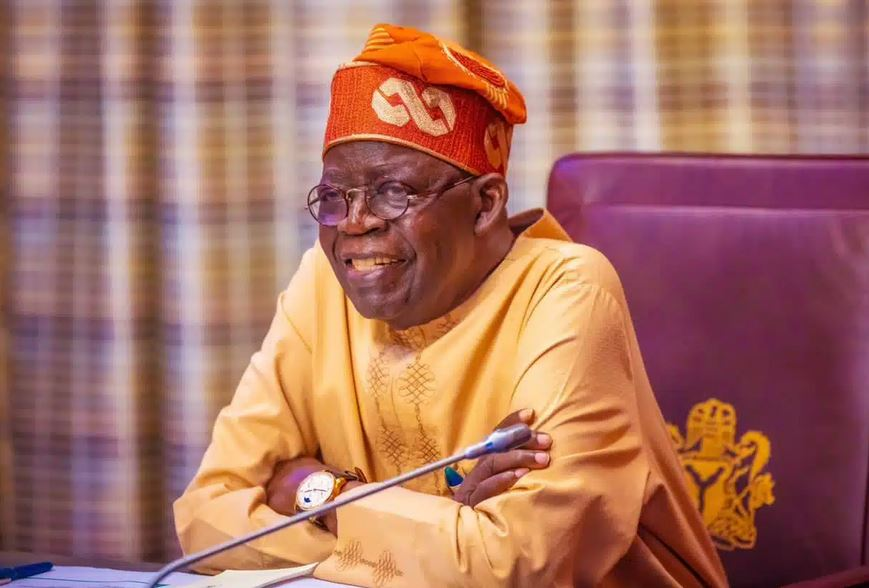
President Bola Tinubu.
By Adeola Badru
A chieftain of the ruling All Progressives Congress, APC, Nurain Abayomi Mumuni, has called on President Bola Tinubu to involve the African Union (AU) and the United Nations (UN) in addressing rising tensions stemming from allegations of state-sponsored terrorism against Nigeria.
In a statement released to journalists yesterday through his media aide, Rasheed Abubakar, Mumuni also a security expert, emphasised the necessity for diplomatic intervention following accusations from Niger Republic’s Head of State, General Abdourahamane Tiani, who alleged that France is financially supporting the Nigerian government to establish a military base in Borno State.
He argued that such serious allegations can be effectively managed through a combination of diplomatic, political, and military strategies.
Mumuni suggested that engaging neutral third parties, including international organizations like the AU and UN, could facilitate constructive dialogue and mediate the ongoing dispute between Nigeria and Niger.
The security expert warned that allegations of state-sponsored terrorism could escalate tensions and undermine regional peace initiatives.
“The complexities of politics and security in volatile regions require a nuanced approach to diplomacy,” he stated, highlighting the significant ramifications such accusations have historically had on regional stability.”
Mumuni proposed conducting thorough investigations into the allegations to establish clarity and accountability, encouraging direct talks between the involved parties to clear misunderstandings and reduce tensions.
“Issuing public statements to refute accusations and restore credibility among nations is also crucial. Implementing confidence-building measures, such as joint military exercises and intelligence-sharing agreements, could help rebuild trust.”
“Furthermore, revitalising existing regional security frameworks would address collective grievances and enhance security cooperation.”
Mumuni also noted that past accusations have led to significant regional security consequences, adding that: “For example, strained relations between Sudan and South Sudan deteriorated due to allegations of support for rebel factions, resulting in increased military tensions.”
“Similarly, accusations of insurgency support led Nigeria and Cameroon to bolster military presence along their borders, heightening the risk of confrontation.”
He cautioned that unresolved allegations can prolong conflicts, as seen in Libya, where accusations of foreign interference complicated ongoing violence.
“Additionally, such tensions can impede humanitarian efforts, making it challenging for aid organizations to operate in conflict-affected regions.”
Mumuni, however, stressed the importance of a multifaceted approach to resolving these allegations, combining diplomatic engagement, security cooperation, and addressing underlying grievances to restore trust and stability in the region.
“The resolution of these issues requires a commitment to dialogue and collaboration among all parties involved,” he asserted.
Disclaimer
Comments expressed here do not reflect the opinions of Vanguard newspapers or any employee thereof.