By Ayo Onikoyi
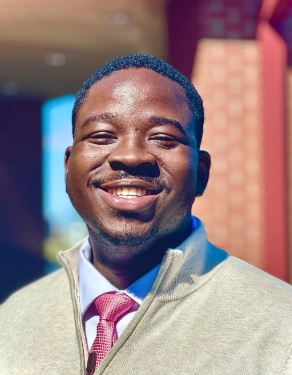
Nigeria’s leading researcher in osteoporosis, Pelumi Abimbola Adedigba, has described his rise to international recognition in the field of bone health and nutrition.
A Ph.D. researcher at the Indiana Center for Musculoskeletal Health, Indiana University School of Medicine, Adedigba has been exploring groundbreaking nutritional strategies for managing osteoporosis and enhancing bone health. His early curiosity began in Lagos, where he observed elderly individuals with weakened bones and wondered if diet could play a role in improving their condition.
In an interactive session with journalists, Adedigba reflected on his childhood curiosity about bone health and his desire to find solutions that would help people live stronger, healthier lives. “Growing up, I would often see older people using walking sticks or struggling with back pain,” he explained. “It made me question why some bones stayed strong while others weakened. I wanted to find out if diet could be part of the solution.”
Adedigba’s research focuses on the gut-bone axis—a field examining how gut health can influence bone strength and resilience. He has been investigating the potential of gut-microbiota-targeting supplements, specifically prebiotics, as a way to improve bone health.
Using experimental models that mimic aging and osteoporosis conditions, Adedigba studies how gut microbiota changes impact bone density, a novel approach that could help manage osteoporosis more effectively.
“The gut and bone are surprisingly connected,” Adedigba noted. “By improving gut health, we can positively impact bone density and strength, offering a solution that’s natural, accessible, and affordable.”
The World Health Organization estimates that osteoporosis affects over 200 million people globally, with costs exceeding $25 billion in the United States alone by 2020. These alarming statistics, coupled with the diminishing efficacy of some current osteoporosis treatments, drive Adedigba’s commitment to discovering more natural approaches to bone health. “Pharmaceutical treatments can lose their effectiveness over time, and many come with side effects,” he said. “I believe plant-based foods and bioactive compounds have incredible potential to address these health challenges.”
Adedigba’s academic journey led him from Lagos to Indiana, where he is pursuing a Ph.D. in Musculoskeletal Health with a minor in Pharmacology and Toxicology. He is expected to complete his doctorate by July 2026. Alongside his research, Adedigba has become a thought leader in musculoskeletal health and has presented his findings at numerous global conferences, including the American Society for Bone and Mineral Research (ASBMR) and the American Society of Nutrition.
His current research is closely tied to understanding how specific gut-derived metabolites affect bone cell differentiation and how these insights could lead to new treatments for osteoporosis. “Gut-derived metabolites have a unique role in bone health, particularly for post-menopausal women,” he said. “By focusing on these metabolites, we’re pioneering new approaches that could provide safer and more sustainable treatments.”
Beyond the lab, Adedigba is passionate about community service and science education. He actively mentors undergraduate and high school students in the IUPUI Project SEED program and volunteers with “Let’s Save Indy,” a project focused on supporting Indianapolis high schools. He is also involved with the Indiana Biomedical Gateway (IBMG) Student Volunteer program, underscoring his commitment to inspiring the next generation of scientists. “Sharing my knowledge and guiding young minds brings me great fulfillment,” he shared. “It’s rewarding to see students grow and become passionate about scientific discovery.”
Adedigba’s vision goes beyond developing treatments; he aims to make preventative solutions available for people worldwide, especially in underserved communities.
“Osteoporosis doesn’t have to be an inevitable part of aging,” he said. “Through diet and targeted nutrition, we can create healthier futures for generations to come.”
As he continues to advance his research, Adedigba remains committed to his roots and the values that brought him this far. “Science has given me the tools to help people,” he concluded. “I’m grateful for the journey and look forward to making a lasting impact in the field of bone health.”
In his personal life, Adedigba enjoys spending time with his family, staying connected to his faith, and engaging in activities that promote wellness.
With his focus on health, research, and service, he stands as a testament to how dedication can drive impactful change.
Disclaimer
Comments expressed here do not reflect the opinions of Vanguard newspapers or any employee thereof.