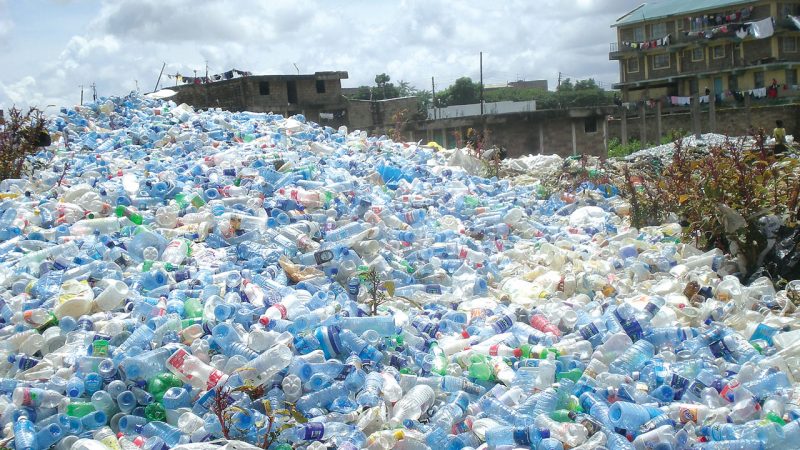
Recycling is a waste-to-wealth activity tailored towards fostering environmental sustainability. In our industrial age where large-scale production and consumption generate a lot of wastes, the environment gets severely polluted unless efforts are made to evacuate the waste.
With our large population and huge appetite for consumption of mainly goods produced in other countries and dumped in our markets, Nigeria needs a very robust and active waste disposal and recycling policy to protect our environment and people from pollution.
Recycling promotes environmental sustainability through the reduction of the need for fresh raw materials. It minimises pollution by decreasing waste incineration and landfills. It saves energy, and this comes in very handy for a country like ours with our severe energy poverty. It reduces greenhouse emissions to combat climate change and fosters a circular economy by promoting sustainable production and consumption patterns.
Among those who play crucial roles in the recycling process are the cart-pushing waste collectors. Some of them are seen crowded over landfills, while many others move from street to street collecting wastes of all types according to the needs of those who buy from them.
A young lady named Love Matthew, who buys mainly plastic wastes in the Port Harcourt axis, recently raised the alarm on her social media handles when a cart pusher brought a rather heavy round metal object for her to buy. Once she realised that the object was a manhole cover meant to protect the people from falling into underground drainages, she immediately reckoned that the metal was vandalised and brought to her to buy.
In our urban centres, many manholes are left open, and people have lost their lives after falling into them, especially during floods. In 2019, a young woman, Adewura Bello, returning from work fell into an open manhole during a heavy flooding in Gowon Estate, Ipaja Lagos, and died. Apart from claiming lives, open manholes wreck vehicles.
Cart pushers who source materials for recycling are often agents of criminal syndicates which specialise in vandalising the fittings of public amenities such as bridges, railways, power lines and other public infrastructure to line their pockets at the expense of public safety.
We call on the various state and local governments to immediately make regulations to ensure the registration and monitoring of all cart pushers and recycling materials hunters to ensure they adhere to codes of conduct to drastically reduce vandalisation of public and private property for sale.
Indeed, such registered operators should also be enlisted to act as part of the surveillance network to protect our infrastructural assets. We cannot afford to allow people who are performing a valuable service to also indulge in criminality or become a security threat to innocent citizens.
No activity is too “lowly” to be regulated.
Disclaimer
Comments expressed here do not reflect the opinions of Vanguard newspapers or any employee thereof.