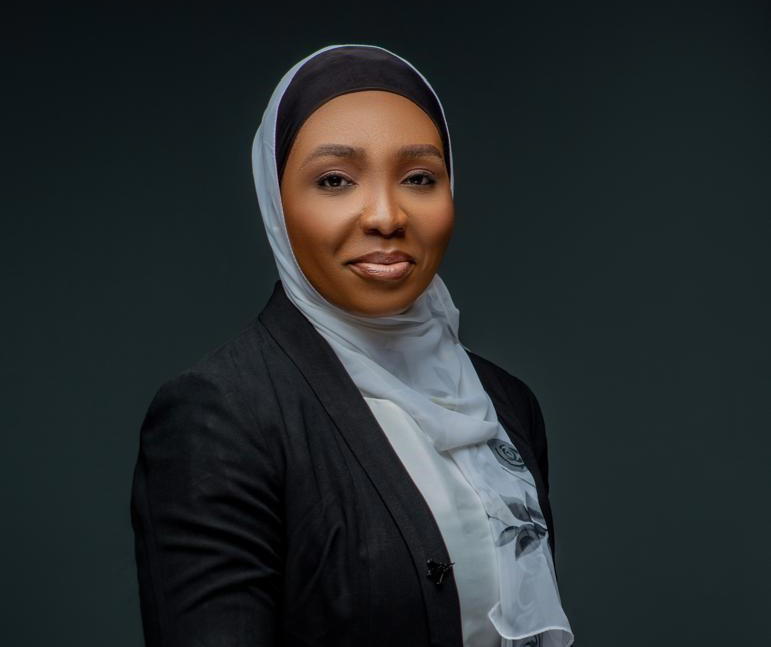
As the global public health landscape continues to evolve, Dr. Sumayya Al-Mansur, a distinguished medical doctor and public health advocate, is offering her unique insights into the future of public health, particularly in underserved communities like those in Northern Nigeria. In a recent interview, Dr. Al-Mansur shared her journey from clinical practice to public health, emphasizing the need for a community-centered approach to tackling health disparities and addressing systemic challenges in the sector.
Dr. Al-Mansur’s passion for public health was ignited early in life, inspired by her mother, a respected public health expert. Growing up in Northern Nigeria, she witnessed firsthand the challenges posed by limited healthcare access, low health literacy, and the absence of a well-developed health infrastructure. These formative experiences shaped her vision to work beyond treating individual patients and to focus on large-scale solutions that empower communities to make informed health choices. Her clinical experience as a medical doctor only strengthened her resolve to affect systemic change, and it was this realization that led her to pursue a career in public health.
“Public health allows me to reach more people,” Dr. Al-Mansur explained. “As a doctor, I was able to help individuals, but in public health, I can work on policies, programs, and initiatives that affect entire populations. This is where the real impact lies.”
A key focus of her recent work is a project aimed at improving health outcomes among children and families in Northern Nigeria. The project, led by Dr. Al-Mansur, uses culturally tailored cartoons to educate young audiences on important health topics such as disease prevention, health literacy, and stigma reduction. These cartoons incorporate local languages, cultural norms, and relatable characters, which make health messages more engaging and effective.
“Health education for children in Northern Nigeria has traditionally been a challenge,” Dr. Al-Mansur noted. “But with these culturally relevant cartoons, we’re speaking their language—literally and figuratively. These cartoons are not just about teaching kids health facts; they are about changing how they view health and wellness in a way that resonates deeply with their everyday experiences.”
The project’s aim is clear: to address critical public health issues in a way that engages children and families, fostering a culture of health from an early age. Through storytelling and relatable characters, the initiative seeks to tackle issues like poor hygiene, nutrition, and preventable diseases, all while reducing stigma associated with certain health conditions.
“The power of storytelling, particularly for young people, cannot be underestimated,” Dr. Al-Mansur said. “By integrating local cultural narratives, we are not just providing health information—we are influencing how children and families think about their health. This approach has the potential to shift the way health communication is perceived and implemented in communities across Nigeria.”
In addition to her work on the cartoon project, Dr. Al-Mansur continues to advocate for systemic changes in the public health sector. She has been instrumental in driving initiatives that bolster the local healthcare workforce, including a notable project with the Concerned Medics Foundation, which focused on task-sharing among volunteer doctors in primary healthcare centers across Adamawa State. This initiative has successfully increased healthcare access and promoted health-seeking behaviors, while simultaneously building the capacity of local healthcare workers.
Dr. Al-Mansur’s work also reflects broader trends in public health, particularly the growing importance of technology and data-driven approaches. She sees the future of public health as closely intertwined with innovations like telemedicine, artificial intelligence (AI), and big data analytics. These tools, she believes, have the potential to make healthcare more accessible, efficient, and tailored to the needs of diverse populations.
“Technology is revolutionizing the healthcare space,” she said. “Telehealth, AI-driven health applications, and data analytics are game-changers, particularly for remote and underserved communities. These technologies can bridge gaps in access, improve service delivery, and create personalized healthcare solutions.”
Despite these advancements, Dr. Al-Mansur acknowledges significant challenges within the public health sector. One of the most pressing issues is the shortage of skilled public health workers, particularly in rural areas. This gap, she argues, can lead to burnout among existing healthcare staff and impede the ability to address public health concerns comprehensively. To address this, she advocates for targeted support mechanisms, such as scholarships and financial incentives, to encourage more young professionals to enter the public health field, particularly in underserved regions.
Looking ahead, Dr. Al-Mansur is optimistic about the future of public health, particularly in Northern Nigeria, where her work is making a direct and lasting impact. Her commitment to health equity, education, and capacity-building continues to shape her initiatives, ensuring that sustainable improvements are made and communities are empowered to take charge of their health.
“I am deeply committed to seeing a Nigeria where every individual has access to the resources and education they need to live a healthy life,” Dr. Al-Mansur concluded. “Through community engagement, technology, and continued advocacy, we can build a more equitable and resilient healthcare system for the future.”
Dr. Sumayya Al-Mansur’s vision for the future of public health in Nigeria reflects a powerful blend of innovation, compassion, and a deep commitment to equity. Her work is reshaping how public health is approached in underserved regions, offering hope for a healthier, more informed future for communities across the country.
Disclaimer
Comments expressed here do not reflect the opinions of Vanguard newspapers or any employee thereof.