By Esther Onyegbula & Faith Olayemi
In response to Nigeria’s ongoing economic and political turmoil, the Eastern Union, a socio-political group, has called for urgent reforms.
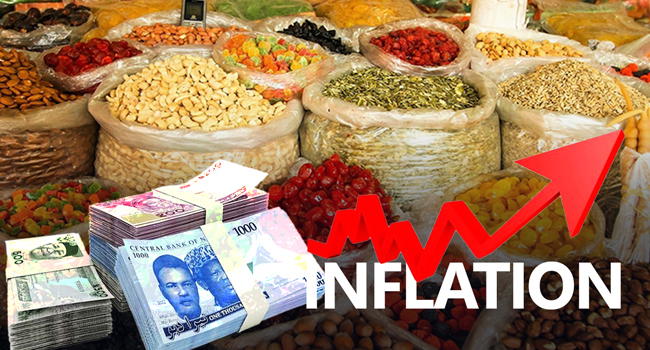
The President of the Eastern Union, Hon. Charles Anike, voiced concerns over economic stagnation, skyrocketing inflation, and the decline of the naira during a press briefing in Lagos.
Attributing the deepening economic crisis, rising cost of petrol, widespread poverty, and the escalating cost of living to poor governance, Honourable Anike said, “The recent catastrophic governance in Nigeria has pushed our people to the brink. The surge in petrol prices and the unbearable cost of living have left the masses in despair.”
He added, “The current state of economic stagnation and hardship is due to the government’s failure to address critical economic challenges.”
Lambasting the government for its wasteful spending and the opulent lifestyles of public officials, while contrasting this with the harsh realities faced by everyday Nigerians, Honourable Anike said, “The lavish expenditures on non-essential projects are a stark contrast to the suffering of our people. It is an offensive, nauseating, and unconscionable spectacle.”
“The harsh economic conditions have led to an alarming rate of brain drain, as Nigeria’s best professionals seek greener pastures abroad. Our best minds are leaving the country in droves. This is a clear sign that the government must act to create an environment where citizens can thrive,” he emphasized.
The Eastern Union’s president did not mince words in criticizing the government’s response to peaceful protests. “We are appalled by the undemocratic arrest and detention of citizens who protest against bad governance. The right to peaceful assembly and free speech is fundamental,” Anike stated, demanding an end to what he described as draconian measures against free expression.
He also condemned the threats and calls for the expulsion of Igbo people from Lagos, describing such actions as divisive and unacceptable. “The Eastern Union condemns in strong terms the constant threats against the Igbo people and other Easterners. The persecution of Easterners is a symptom of a larger issue of insecurity, corruption, and weak governance.”
He called on the government to protect all Nigerians and uphold the dignity of the Igbo people, as well as other marginalized groups.
Highlighting the disproportionate militarization of the South-Eastern region, Anike criticized the government for deploying military troops and random checkpoints that disrupt local businesses and instill fear among the population. “We demand an immediate withdrawal of these troops and a return to civil policing, as is the norm in other regions,” Anike said, questioning why the North, despite being a terrorist hotspot, is not subject to the same level of militarization.
The Eastern Union president also pointed to the decay in critical sectors such as education, power, oil, and healthcare as evidence of the government’s incompetence. “Our schools are underfunded, the lack of electricity hinders economic growth, and our healthcare system is in shambles,” Anike said, painting a grim picture of the country’s infrastructure.
Disclaimer
Comments expressed here do not reflect the opinions of Vanguard newspapers or any employee thereof.