…Says UNGA priorities must be matched with clear policies, sound risk-sharing
By Juliet Umeh
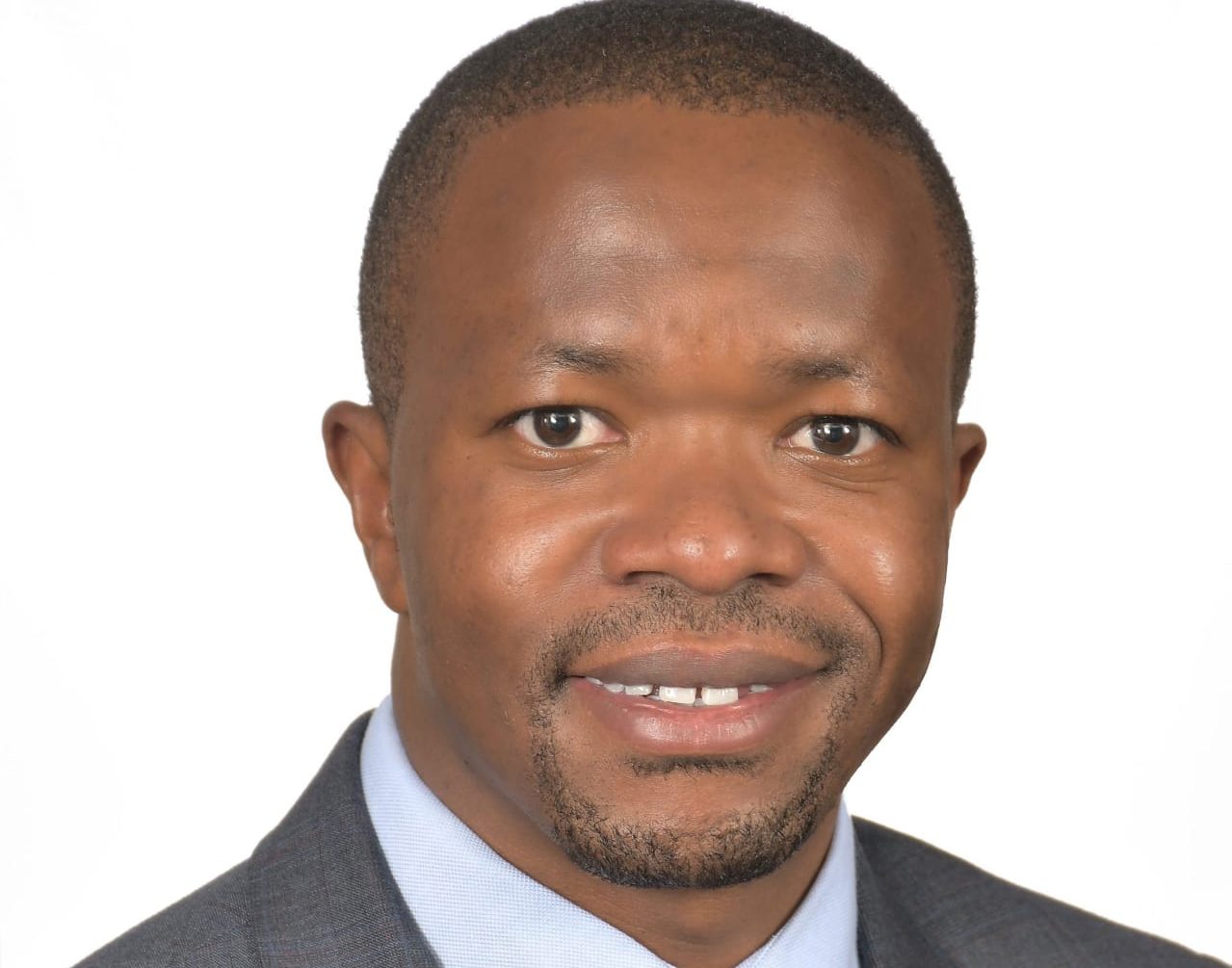
Infrastructure advocate Byron Murali has said that, following the 81st United Nations General Assembly, UNGA, Africa must turn its development ambitions into bankable infrastructure projects capable of attracting private and institutional investment.
African leaders reaffirmed their priorities on mineral beneficiation, industrialisation, financial reform and the continent’s role in shaping rules for emerging technologies at the global gathering.
Murali said those ambitions must be matched with projects offering credible revenues, enforceable contracts, clearly allocated risks and a path to financial close.
He said: “The challenge is to translate these ambitions into a pipeline of well-structured, finance-ready projects.”
He cited African Development Bank estimates that Africa requires between $181 billion and $221 billion in infrastructure investment annually through 2030. Nearly 600 million people in Sub-Saharan Africa still lack access to electricity, while 10 million to 12 million young Africans enter the labour force each year.
With more than a third of Sub-Saharan African countries in, or at high risk of, debt distress, Murali said private and institutional capital would be essential to meeting the continent’s investment needs.
He identified legal and policy alignment, sound risk allocation, project structure and financial viability as critical to securing funding.
Murali said projects could face years of delay when legal frameworks do not meet lenders’ requirements, including enforceable security over project assets, step-in rights and the ability to convert local currency and repatriate returns.
He urged project sponsors and contracting agencies to conduct legal gap analyses before commissioning feasibility studies. The reviews, he said, should identify the approvals required for land acquisition, environmental assessment, planning, regulation and construction.
Governments, he added, could support investment by publishing project pipelines regularly, standardising contracts and assessing how new policies could affect related sectors.
Murali pointed to Kenya’s electric-mobility transition as an example of the need for policy coordination, saying incentives for electric vehicles should align with import rules, charging infrastructure, financing, electricity regulation and the interests of workers in the existing transport market.
He said infrastructure contracts must anticipate changing risks and assign them to the parties best placed to manage them. Clear provisions on land, resettlement, changes in law and political risks could help protect projects and investors.
Disclaimer
Comments expressed here do not reflect the opinions of Vanguard newspapers or any employee thereof.